μια απόπειρα επιστημονικής προσέγγισης της ανθρώπινης θρησκευτικότητας
an attempt for a scientific approach of human religiosity "Sedulo curavi humanas actiones non ridere, non lugere, neque detestari, sed intelligere" —Spinoza, Tractatus Politicus 1:4
⏳ ⌛ First post: October 30, 2008 / Πρώτη ανάρτηση: 30 Οκτωβρίου 2008
Το
Τμήμα Μείζονος Συνθέσεως αποφάσισε ομόφωνα ότι ένας ικανός ενήλικος
ασθενής έχει το δικαίωμα να αρνηθεί οποιαδήποτε ιατρική θεραπεία,
συμπεριλαμβανομένης της μετάγγισης αίματος.
του Massimo Introvigne
Η προσφεύγουσα Rosa Edelmira Pindo Mulla στην ακροαματική διαδικασία του ΕΔΑΔ. Στιγμιότυπο οθόνης.
Στις 17 Σεπτεμβρίου 2024, με την απόφαση « Pindo Mulla κατά Ισπανίας
», το Μεγάλο Τμήμα του Ευρωπαϊκού Δικαστηρίου Ανθρωπίνων Δικαιωμάτων
(ΕΣΔΑ) επιδίκασε στους Μάρτυρες του Ιεχωβά άλλη μια ηχηρή νομική νίκη,
αυτή τη φορά για το συχνά συζητούμενο ζήτημα του αίματος μεταγγίσεις.
Ήταν μια σπάνια ουσιαστικά ομόφωνη απόφαση όλων των 17 δικαστών του
Τμήματος Μείζονος Συνθέσεως (8 εξέφρασαν εν μέρει αντίθετη γνώμη όχι για
την ουσία του θέματος αλλά μόνο για το ζήτημα της ηθικής βλάβης).
Η
υπόθεση αφορούσε τη Rosa Edelmira Pindo Mulla, μια γυναίκα του
Ισημερινού που ζει στην Ισπανία. Τον Μάιο του 2017, διαγνώστηκε με
ινομύωμα μήτρας και συνέστησε υστερεκτομή. Προβλέποντας τη χειρουργική
επέμβαση, ολοκλήρωσε ένα νέο Διαρκές Πληρεξούσιο (DPA) που αρνείται τις
μεταγγίσεις αίματος στις 4 Αυγούστου 2017, μαζί με μια παρόμοια
διατυπωμένη Advance Medical Directive (AMD) που κατέγραψε στο εθνικό
μητρώο AMD της Ισπανίας. Η υστερεκτομή τελικά καθυστέρησε.
Στις
6 Ιουνίου 2018, η Πίντω εισήχθη στο νοσοκομείο Soria λόγω σημαντικής
αιμορραγίας από το ινομύωμα της μήτρας και το επίπεδο της αιμοσφαιρίνης
της έπεσε στα 4,7 g/dl. Ο γυναικολόγος που τη θεράπευε συνέστησε
μετάγγιση αίματος, την οποία αρνήθηκε. Τόσο η Πίντω όσο και ο γιατρός
υπέγραψαν ένα έντυπο «συναίνεσης» που επιβεβαίωνε την άρνησή της. Της
χορηγήθηκε τρανεξαμικό οξύ, το οποίο σταμάτησε την αιμορραγία και έγιναν
ρυθμίσεις για τη μεταφορά της στο Νοσοκομείο Λα Παζ στη Μαδρίτη για
εμβολισμό της μητριαίας αρτηρίας — μια ελάχιστα επεμβατική διαδικασία
που αποσκοπεί στην πρόληψη μελλοντικής αιμορραγίας.
Κατά
τη μεταφορά με ασθενοφόρο στο Νοσοκομείο Λα Παζ, οι γιατροί έλαβαν μια
ex parte δικαστική απόφαση που τους εξουσιοδοτούσε να χορηγήσουν «όποια
θεραπεία» έκριναν απαραίτητη. Δεν ενημέρωσαν τον εφημερεύοντα δικαστή
ότι η Πίντο είχε τις αισθήσεις της και είχε επανειλημμένα αρνηθεί τη
μετάγγιση αίματος μέσω του DPA, της AMD, των συζητήσεων με τους γιατρούς
της Soria και του υπογεγραμμένου εντύπου «συναίνεσης». Για τη δικαστική
απόφαση δεν ενημερώθηκε ούτε η Πίνδο.
Φτάνοντας
στο Νοσοκομείο Λα Παζ, η Πίντο, περιμένοντας εμβολισμό της μητριαίας
αρτηρίας, μεταφέρθηκε στο χειρουργείο, νάρκωσε και υποβλήθηκε σε
υστερεκτομή και τρεις μεταγγίσεις αίματος.
Μετά
την αποφυλάκισή της, η Πίντω άσκησε έφεση κατά της εντολής του
εφημερεύοντος δικαστή. Οι προσφυγές της απορρίφθηκαν στην Ισπανία από το
πρωτοβάθμιο δικαστήριο, το εφετείο και το Συνταγματικό Δικαστήριο και
παρέπεμψε την υπόθεσή της στο ΕΔΑΔ.
Το
Τμήμα Μείζονος Συνθέσεως διευκρίνισε αρχικά ότι η υπόθεση Πίνδο δεν
πρέπει να συγχέεται (όπως είχε προσπαθήσει να κάνει η Γαλλία, η οποία
παρενέβη στη διαδικασία) με την υπόθεση της υποβοηθούμενης αυτοκτονίας. Η
Πίνδο δεν ήθελε να πεθάνει. Ήθελε να ζήσει, αποφεύγοντας ωστόσο τις
μεταγγίσεις αίματος. Ως μάρτυρας του Ιεχωβά, συμμεριζόταν την πεποίθηση
ότι οι μεταγγίσεις αίματος παραβιάζουν τη βιβλική απαγόρευση της
«τρώγοντας αίματος» και ότι οι οπαδοί θα πρέπει «να υπακούουν στο νόμο
του Ιεχωβά σχετικά με το αίμα αρνούμενοι να δεχτούν μετάγγιση αίματος,
ακόμη και σε περίπτωση έκτακτης ανάγκης» (« Cherish God's Gift της Ζωής », «Η Σκοπιά» [Έκδοση Μελέτης], Φεβρουάριος 2023, 20–25 [23]).
Το
Τμήμα Μείζονος Συνθέσεως σημείωσε επίσης ότι η υπόθεση αφορούσε έναν
ενήλικα και, ως εκ τούτου, το θέμα σχετικά με το αν οι γονείς που είναι
Μάρτυρες του Ιεχωβά μπορούν να αρνηθούν τη μετάγγιση αίματος για τα
ανήλικα παιδιά τους δεν χρειαζόταν να εξεταστεί στην ετυμηγορία.
Ο
Shane Brady, ένας από τους δικηγόρους που εκπροσωπεί την Πίνδο,
παρουσιάζοντας την υπόθεσή της στην ακροαματική διαδικασία του ΕΔΑΔ.
Στιγμιότυπο οθόνης.
Στην
περίπτωση των ενηλίκων, οι δικαστές επανέλαβαν ότι, «Στον τομέα της
υγειονομικής περίθαλψης, ο σεβασμός της προσωπικής αυτονομίας είναι μια
γενική και θεμελιώδης αρχή. Προστατεύεται κυρίως από τον παγκοσμίως
αναγνωρισμένο κανόνα της ελεύθερης και ενημερωμένης συναίνεσης. Ο νομικά
αρμόδιος ασθενής που έχει ενημερωθεί δεόντως για την κατάσταση της
υγείας του και τις διαθέσιμες θεραπείες, καθώς και για τις συνέπειες αν
δεν γίνει αποδεκτή θεραπεία, έχει το δικαίωμα να αποφασίσει ελεύθερα εάν
θα δώσει τη συγκατάθεσή του στη θεραπεία ή θα την αρνηθεί» (παρ. 138).
Ακόμη και όταν η άρνηση θεραπείας «μπορεί να οδηγήσει σε θανατηφόρο
αποτέλεσμα, η επιβολή ιατρικής περίθαλψης χωρίς τη συγκατάθεση ενός
διανοητικά ικανού ενήλικου ασθενούς θα επηρέαζε τη σωματική ακεραιότητα
ενός ατόμου» και θα παραβίαζε την Ευρωπαϊκή Σύμβαση Ανθρωπίνων
Δικαιωμάτων (παρ. 139).
Ο Πίντο είχε αναφέρει τις δύο υποθέσεις του ΕΣΔΑ « Οι Μάρτυρες του Ιεχωβά της Μόσχας και άλλοι κατά Ρωσίας » (10 Ιουνίου 2010) και « Ταγκανρόγκ ΛΡΟ και άλλοι κατά Ρωσίας
» (7 Ιουνίου 2022), οι οποίες αναγνώρισαν το δικαίωμα των ενήλικων
Μαρτύρων του Ιεχωβά να αρνηθούν Είναι αλήθεια, είπε η ΕΣΔΑ, ότι, όπως
αντιτάχθηκε η Ισπανία (και η Γαλλία), «το πλαίσιο αυτών των υποθέσεων
ήταν πολύ διαφορετικό από αυτό της παρούσας. Αφορούσαν τη διάλυση και
την απαγόρευση των οργανώσεων των Μαρτύρων του Ιεχωβά στη Ρωσία. Κατά
συνέπεια, τα επίμαχα δικαιώματα της Σύμβασης ήταν διαφορετικά, ιδίως
αυτά της ελευθερίας του συνεταιρίζεσθαι και της ελευθερίας της
θρησκείας. Το δικαίωμα του ασθενούς να αρνηθεί την ιατρική περίθαλψη δεν
αντιμετωπίστηκε άμεσα ως τέτοιο. Ακόμα κι έτσι, αυτές οι κρίσεις
μπορούν να υπενθυμιστούν εδώ στο βαθμό που επιβεβαιώνουν, σε σχέση με
τις πεποιθήσεις των Μαρτύρων του Ιεχωβά,… ότι η ελευθερία αποδοχής ή
άρνησης συγκεκριμένης ιατρικής θεραπείας ήταν ζωτικής σημασίας για την
αυτοδιάθεση και την προσωπική αυτονομία» (παρ. 140).
Η
Ισπανία αντιτάχθηκε ότι σε αυτή την περίπτωση η απόφαση των γιατρών
δικαιολογείται από την ανάγκη να σωθεί η ζωή του ασθενούς. Το Δικαστήριο
διαφώνησε, υπενθυμίζοντας στην Ισπανία ότι η ΕΣΔΑ έχει επανειλημμένα
υποστηρίξει ότι «στο πλαίσιο της συνήθους υγειονομικής περίθαλψης
προκύπτει από το άρθρο 8 της [Ευρωπαϊκής] Σύμβασης [για τα Ανθρώπινα
Δικαιώματα] ότι ο αρμόδιος, ενήλικος ασθενής έχει το δικαίωμα να
αρνηθεί, ελεύθερα και συνειδητά, ιατρική περίθαλψη παρά τις πολύ
σοβαρές, ακόμη και θανατηφόρες, συνέπειες που μπορεί να έχει μια τέτοια
απόφαση. Είναι θεμελιώδης αρχή στον τομέα της υγειονομικής περίθαλψης
ότι το δικαίωμα του ασθενούς να δώσει ή να αρνηθεί τη συγκατάθεσή του
για θεραπεία πρέπει να γίνεται σεβαστό» (παρ. 146). Αναφερόμενος στην
υπόθεση των Μαρτύρων του Ιεχωβά της Μόσχας και άλλων κατά Ρωσίας
, το Μεγάλο Τμήμα σημείωσε ότι «το δημόσιο συμφέρον για τη διατήρηση
της ζωής ή της υγείας ενός ασθενούς πρέπει να υποχωρεί στο συμφέρον του
ασθενούς να κατευθύνει την πορεία της ζωής του». (παρ. 148). Και
επιπλέον, «οι επιθυμίες του ασθενούς πρέπει να αντιμετωπίζονται ως
ύψιστης σημασίας» (παρ. 149).
Στην
περίπτωση της Πίνδου, ένα ερώτημα ήταν αν είχε εκφράσει κατηγορηματικά
την άρνησή της για τις μεταγγίσεις αίματος. Στην προσπάθειά τους να
δικαιολογήσουν τις επιβληθείσες μεταγγίσεις αίματος, τα ισπανικά
δικαστήρια και οι γιατροί της Λα Παζ βασίστηκαν σε αντιφατικά
επιχειρήματα. Αφενός, ισχυρίστηκαν ότι η άρνηση της Πίνδου για
μεταγγίσεις αίματος δεν ήταν γραπτή (στην πραγματικότητα, όπως σημείωσε
το Τμήμα Μείζονος Συνθέσεως, η άρνησή της για αίμα καταγράφηκε εγγράφως
στο DPA, AMD, και στο υπογεγραμμένο έντυπο «συναίνεσης»). Και, από την
άλλη πλευρά, υποστήριξαν ότι το DPA και το AMD της ήταν άσχετα επειδή
ήταν πλήρως ικανή και είχε τις αισθήσεις της κατά τη στιγμή της
επέμβασης (το Τμήμα Μείζονος Συνθέσεως σημείωσε ότι εάν είχε τις
αισθήσεις της, τότε δεν υπήρχε νόμιμη βάση για την εντολή που επιτρέπει
τη μετάγγιση). Το Τμήμα Μείζονος Συνθέσεως άσκησε έντονη κριτική σε αυτά
τα αντιφατικά επιχειρήματα (παρ. 159–182).
Ένας από τους δικηγόρους της ισπανικής κυβέρνησης μιλώντας στην ακρόαση του ΕΔΑΔ. Στιγμιότυπο οθόνης.
Σε
ό,τι αφορά τις προηγούμενες οδηγίες γενικά, το Τμήμα Μείζονος Συνθέσεως
δήλωσε επίσης ότι «τόσο η αρχή της παροχής δεσμευτικής νομικής ισχύος
σε προηγούμενες οδηγίες [όπου οι ασθενείς μπορούν να δηλώσουν εκ των
προτέρων ότι θα αρνούνταν μια συγκεκριμένη ιατρική θεραπεία], όσο και η
σχετική επίσημη και πρακτική τροπολογίες, εμπίπτουν στο περιθώριο
εκτίμησης των Συμβαλλόμενων Κρατών» (παρ. 153). Η Ισπανία δεν
υποχρεώθηκε να εισαγάγει ένα σύστημα προηγούμενων οδηγιών, αλλά, αφού το
έπραξε, πρέπει να σεβαστεί το περιεχόμενο των οδηγιών. Ακόμη και σε
χώρες χωρίς σύστημα που αναγνωρίζει επίσημα τις προηγούμενες οδηγίες, το
Τμήμα Μείζονος Συνθέσεως σημείωσε (παρ. 151–153) ότι το άρθρο 9 της
Σύμβασης του Οβιέδο (που επικυρώθηκε από τις περισσότερες από τις 46
χώρες του Συμβουλίου της Ευρώπης) απαιτεί ότι «οι επιθυμίες που είχαν
εκφράσει προηγουμένως… θα ληφθούν υπόψη.» Το Τμήμα Μείζονος Συνθέσεως
τόνισε (παρ. 149) την κυρίαρχη αρχή ότι «οι επιθυμίες του ασθενούς
πρέπει να αντιμετωπίζονται ως υψίστης σημασίας».
Στην
περίπτωση της Πίνδου, το ΕΣΔΑ σημειώνει ότι όταν οι γιατροί ζήτησαν από
δικαστή να τους εξουσιοδοτήσει να χορηγήσουν στον ασθενή «οποιαδήποτε
θεραπεία» θα έκριναν απαραίτητη, «αυτό που δεν κοινοποιήθηκε στον
εφημερεύοντα δικαστή ήταν η πληροφορία ότι το προηγούμενο βράδυ στις Στο
νοσοκομείο Soria, μια κλινική ιατρός (Dr BL) είχε περάσει από τη
σχετική διαδικασία συναίνεσης με την αιτήτρια, η οποία είχε εκφράσει την
άρνησή της για μετάγγιση αίματος εγγράφως στο έγγραφο συγκατάθεσης μετά
από ενημέρωση» (παρ. 159). Με άλλα λόγια, οι γιατροί παραπλάνησαν τον
δικαστή για τη θέση της Πίνδου.
Επιπρόσθετα,
η ΕΣΔΑ σημειώνει «ότι δεν υπήρξε πραγματική επικοινωνία μεταξύ του
ιατρικού προσωπικού και του αιτητή για την επικείμενη παρέμβαση. Δεν
ακολουθήθηκε η συνήθης διαδικασία συναίνεσης και δεν έγινε καμία
απολύτως αναφορά στην απόφαση που εξέδωσε ο εφημερεύων δικαστής» (παρ.
167).
Δεν
υπήρχαν στοιχεία ότι η Πίνδο ήταν ανίκανη τη στιγμή που ενημέρωσε τους
γιατρούς ότι δεν θα δεχόταν μετάγγιση αίματος ή ότι άλλαξε γνώμη στη
συνέχεια. Αντίθετα, το Τμήμα Μείζονος Συνθέσεως σημείωσε ότι κατά την
εισαγωγή στο νοσοκομείο της Λα Παζ, τα νοσοκομειακά αρχεία επιβεβαιώνουν
ότι η Πίνδο «είχε τις αισθήσεις της εκείνη τη στιγμή και μάλιστα σε
πλήρη εγρήγορση» (παρ. 167). Το ΕΔΔΑ κατέληξε στο συμπέρασμα ότι η
αναγκαστική χορήγηση μεταγγίσεων αίματος σε αυτήν «ήταν το αποτέλεσμα
μιας διαδικασίας λήψης αποφάσεων που, όπως λειτούργησε στην προκειμένη
περίπτωση, δεν επέτρεπε επαρκή σεβασμό της αυτονομίας της αιτούσας, όπως
προστατεύεται από το άρθρο 8 [της Ευρωπαϊκής Σύμβασης για Ανθρώπινα
Δικαιώματα], την οποία αυτονομία επιθυμούσε να ασκήσει για να τηρήσει
μια σημαντική διδασκαλία της θρησκείας της» (παρ. 183).
Η Πρόεδρος Síofra O'Leary προεδρεύει της ακρόασης «Pindo» ECHR. Στιγμιότυπο οθόνης.
Το
Τμήμα Μείζονος Συνθέσεως κατέληξε στο συμπέρασμα ότι τα δικαιώματα της
Πίνδο βάσει του άρθρου 8 (δικαίωμα σεβασμού της ιδιωτικής ζωής),
«ανάγνωση υπό το φως του άρθρου 9» (δικαίωμα στην ελευθερία σκέψης,
συνείδησης και θρησκείας) είχαν παραβιαστεί και διέταξε την Ισπανία να
πληρώσει στο ευρώ της 12.000 για ηθική βλάβη συν 14.000 ευρώ για έξοδα
και έξοδα.
Ας
ελπίσουμε ότι αυτό το σημαντικό προηγούμενο θα πείσει τα κράτη που
εξακολουθούν να αντιτίθενται στο να διδάσκουν οι Μάρτυρες του Ιεχωβά για
τις μεταγγίσεις αίματος και ακόμη και να αντλούν από αυτές τις
αντιρρήσεις συμπεράσματα που απειλούν το νομικό καθεστώς των
θρησκευτικών οργανώσεων στις χώρες τους, ότι παραβιάζουν το διεθνές
δίκαιο. Το τελευταίο εξουσιοδοτεί τους αρμόδιους ενήλικες ασθενείς να
αρνούνται οποιαδήποτε ιατρική περίθαλψη ανεξάρτητα από τις περιστάσεις
και προστατεύει τη θρησκευτική ελευθερία όσων το κάνουν για
θρησκευτικούς λόγους.
(RNS) — As the world
braces for an expected Russian invasion of Ukraine, Europe’s highest
human rights court found that Russia has violated Jehovah’s Witnesses’
rights to liberty and freedom of religion. The country has been ordered
to pay fines totaling more than 99,000 euros — roughly equivalent to
$112,323.
“These judgments set a critical precedent that Russia has been
unjustly and unlawfully raiding the homes of Jehovah’s
Witnesses,” Jarrod Lopes, spokesperson for Jehovah’s Witnesses, told
Religion News Service in an email. There have been 1,700 such raids
since 2017, he said.
“Any new home raids based solely on the owner’s religious beliefs are
now considered illegal and in violation of the European Convention,”
Lopes said.
The European Court of Human Rights issued rulings on two cases
Tuesday (Feb. 22). Together, the cases address six instances from
2010-2012 in which Russian law enforcement arrested Jehovah’s Witnesses,
raided their homes and places of worship and seized personal items as
well as religious materials.
In both cases, the court found Russia guilty of violating Article 9
of the European Convention on Human Rights, which holds that “Everyone
has the right to freedom of thought, conscience and religion.”
The ruling in Zharinova v. Russia involved a Jehovah’s Witness named
Yekaterina Nikolayevna Zharinova, who was arrested March 17, 2011, while
she was “preaching door-to-door” in her hometown of Ivanteyevka,
according to court documents. Officers interviewed Zharinova at a police
station and seized her personal belongings and religious literature.
She was held at the station for four and a half hours. Though a local
court dismissed Zharinova’s initial complaint in 2011, the European
Court of Human Rights found Russia guilty of violating Article 5, which
protects against unlawful detention, as well as Article 9.
Cheprunovy and Others v. Russia is a separate case that addresses
several incidents between 2010 and 2012. Jehovah’s Witnesses said
Russian authorities searched their private homes and a prayer hall and
seized religious literature such as books and magazines as well as
computers, notebooks and video recordings.
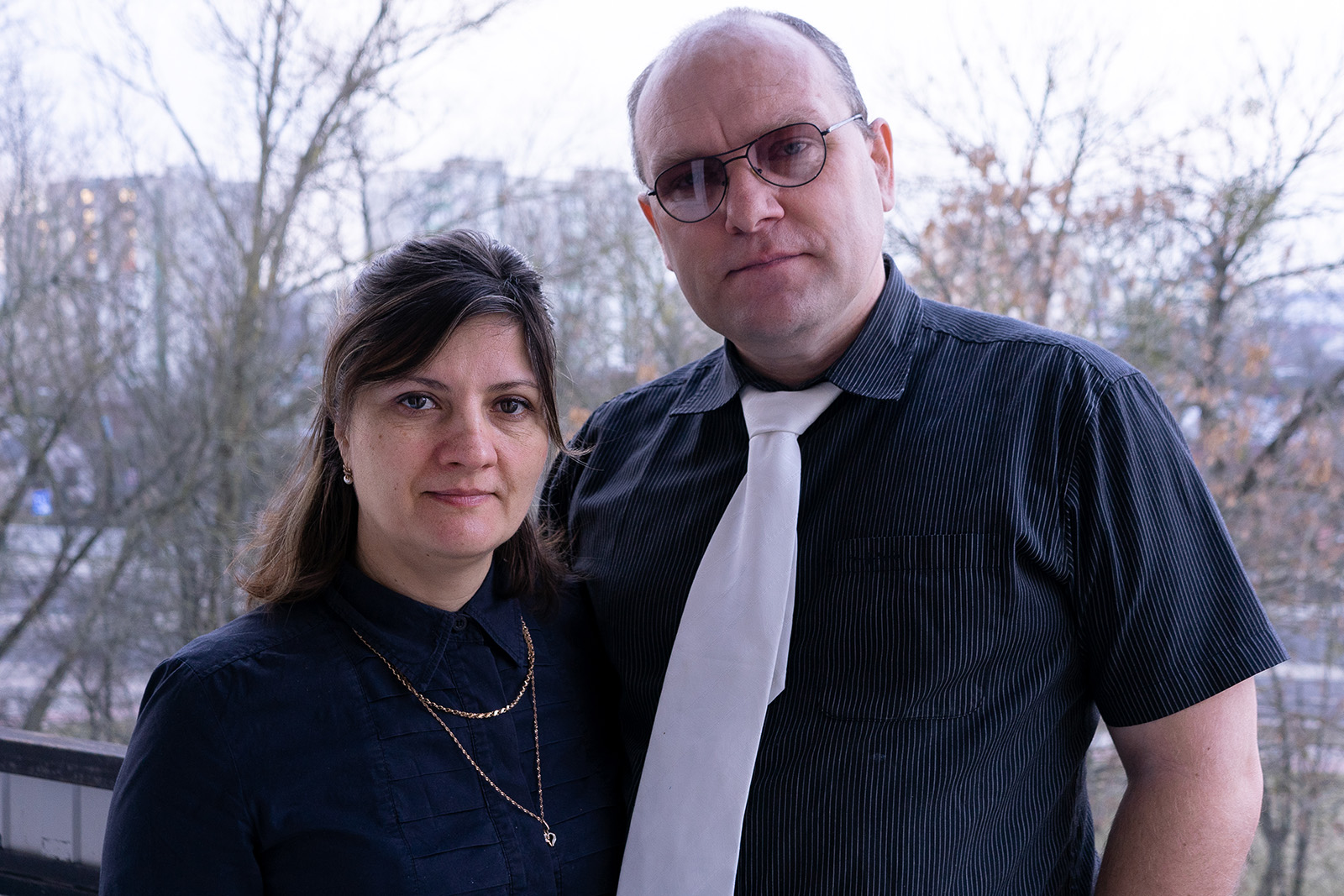
Larisa Vladimirovna Cheprunova and Mikhail Yuryevich Cheprunov in Russia. Photo courtesy of Jehovah’s Witnesses
The ruling says the Russian government suspected the individuals of
being involved in illegal activities primarily because they are
Jehovah’s Witnesses. The court found that the searches violated Article 9
because they were “carried out without relevant and sufficient grounds
and in the absence of safeguards that would confine their impact to
reasonable bounds,” according to court documents.
Both judgments are final and will be enforced by the Council of
Europe’s Committee of Ministers. The rulings are the latest of severalin
which the European Court of Human Rights found Russia guilty of
religious freedom violations against Jehovah’s Witnesses. Lopes told RNS
that these rulings are a prelude to future judgments from the ECHR that
will address “the nation-wide banning of Jehovah’s Witnesses, the
prosecution and imprisonment of believers, as well as the confiscations
of their national headquarters and all their places of worship (Kingdom
Halls).”
The European Court of Human Rights in Strasbourg, France. Photo by CherryX/Wikipedia/Creative Commons
The rulings come as human rights advocates continue to voice concern
about Russia’s treatment of Jehovah’s Witnesses. More than 80 members of
the denomination are in confinement in Russia, either serving prison
sentences or awaiting trial.
“Today the ECHR sent a clear signal to Russia of what to expect when
the Court deals with the over 60 other cases pending involving Jehovah’s
Witnesses,” said Lopes. “Jehovah’s Witnesses around the world rejoice
to see that their fellow believers in Russia are being validated and
protected by the ECHR for staying true to their religious beliefs.”
Δελτίο τύπου εκδοθέν από την Γραμματεία του Δικαστηρίου
Το ελληνικό σύστημα απαλλαγής των μαθητών από το μάθημα των Θρησκευτικών παραβιάζει την Ευρωπαϊκή Σύμβαση
Η υπόθεση Παπαγεωργίου και άλλοι κατά Ελλάδας (προσφυγές αρ. 4762/18 και
6140/18 αφορούσε το υποχρεωτικό μάθημα των θρησκευτικών στα Ελληνικά
σχολεία
Με την σημερινή απόφαση του Τμήματος*, το Ευρωπαϊκό Δικαστήριο των
Δικαιωμάτων του Ανθρώπου έκρινε, ομόφωνα, ότι έχει παραβιαστεί το άρθρο 2
του Πρωτοκόλλου αρ. 1 (δικαίωμα στην εκπαίδευση) της Ευρωπαϊκής
Σύμβασης των Δικαιωμάτων του Ανθρώπου, ερμηνευόμενο υπό το φως του
άρθρου 9 (ελευθερία της σκέψης, της συνείδησης και της θρησκείας).
Το Δικαστήριο έκρινε ότι οι αρχές δεν έχουν δικαίωμα να υποχρεώνουν άτομα
να αποκαλύπτουν τις πεποιθήσεις τους. Ωστόσο, το ισχύον σύστημα στην
Ελλάδα για την απαλλαγή των παιδιών από το μάθημα των θρησκευτικών
επιβάλλει στους γονείς να υποβάλλουν υπεύθυνη δήλωση λέγοντας ότι τα
παιδιά τους δεν είναι Χριστιανοί Ορθόδοξοι. Αυτή η προϋπόθεση επιβάλλει
ένα απαράδεκτο βάρος στους γονείς, να αποκαλύψουν πληροφορίες, από τις
οποίες θα μπορούσε να προκύπτει ότι οι ίδιοι και τα παιδιά τους έχουν ή
δεν έχουν συγκεκριμένη θρησκευτική πεποίθηση.
Επιπλέον αυτό το σύστημα θα μπορούσε επίσης να αποτρέψει τους γονείς να
υποβάλλουν αίτηση εξαίρεσης, ιδίως σε μια περίπτωση όπως των
προσφευγόντων που ζουν σε μικρά νησιά όπου η μεγάλη πλειοψηφία του
πληθυσμού ανήκει σε συγκεκριμένο θρήσκευμα και ο κίνδυνος του
στιγματισμού είναι πολύ σοβαρότερος.
ΚΥΡΙΑ ΠΡΑΓΜΑΤΙΚΑ ΠΕΡΙΣΤΑΤΙΚΑ
Οι προσφεύγοντες είναι πέντε Έλληνες πολίτες, γονείς και παιδιά που ζουν
στα μικρά Ελληνικά νησιά της Μήλου και της Σίφνου. Οι πρώτοι τρεις
προσφεύγοντες είναι ο Πέτρος Παπαγεωργίου, η Αικατερίνη Μπερδέλογλου και
η κόρη τους Μαρία - Ραφαέλλα Παπαγεωργίου. Οι τέταρτη και πέμπτη
προσφεύγουσες είναι η Ροδόπη Αναστασιάδου και η κόρη της Σμαράγδα
Ραβιόλου.
Σύμφωνα με το Ελληνικό Σύνταγμα και άλλα νομοθετικά κείμενα, όπως η
εκπαιδευτική νομοθεσία και πολλές υπουργικές αποφάσεις, το μάθημα των
θρησκευτικών είναι υποχρεωτικό για όλους τους μαθητές στο δημοτικό και
την μέση εκπαίδευση.
Τον Ιούλιο του 2017, οι προσφεύγοντες ζήτησαν από το Συμβούλιο της
Επικρατείας να ακυρώσει δύο πρόσφατες υπουργικές αποφάσεις [Σ.τ.Μ.: του
Γαβρόγλου] που καθόριζαν το πρόγραμμα σπουδών του μαθήματος των
θρησκευτικών για το σχολικό έτος 2017/18. Κατά τον χρόνο αυτόν, η Μαρία
Ραφαέλα Παπαγεωργίου ήταν στην τρίτη και τελευταία τάξη του Λυκείου
Μήλου, ενώ η Σμαράγδα Ραβιόλου ήταν στην τετάρτη δημοτικού του Δημοτικού
Σχολείου Σίφνου.
Οι προσφεύγουσες ζήτησαν να εξεταστεί η υπόθεσή τους με την κατεπείγουσα
διαδικασία ενώπιον της αρχής της νέας σχολικής χρονιάς, αλλά το
Συμβούλιο της Επικρατείας απέρριψε το αίτημά τους λόγω έλλειψης
σημασίας.
Το δικαστήριο δεν δίκασε καν την υπόθεσή τους, καθώς η αρχική ακρόαση
αναβαλλόταν συνέχεια μέχρι τον Σεπτέμβριο του 2018, χρόνο κατά τον οποίο
η σχολική χρονιά είχε ήδη τελειώσει.
Στις προσφυγές τους οι προσφεύγοντες ανέλυσαν εκτενώς τον ισχυρισμό ότι η
διαδικασία απαλλαγής από το μάθημα των θρησκευτικών ήταν αντίθετη στην
Ευρωπαϊκή Σύμβαση.
ΠΡΟΣΦΥΓΕΣ, ΔΙΑΔΙΚΑΣΙΑ ΚΑΙ ΣΥΝΘΣΗ ΤΟΥ ΔΙΚΑΣΤΗΡΙΟΥ
Οι προσφεύγοντες γονείς ισχυρίστηκαν ότι εάν ήθελαν να απαλλαγούν οι
κόρες τους απο το μάθημα των θρησκευτικών έπρεπε να δηλώσουν ότι δεν
ήταν Χριστιανές Ορθόδοξοι. Περαιτέρω, προσέφυγαν διότι ο διευθυντής του
σχολείου θα έπρεπε να διακριβώσει εάν οι δηλώσεις ήταν αληθείς και οι
δηλώσεις αυτές θα τηρούνταν στα σχολικά αρχεία. Επικαλέστηκαν ιδίως το
άρθρο 9 (ελευθερία της σκέψης, της συνείδησης και της θρησκείας) καθώς
και το άρθρο 2 του Πρωτοκόλλου αρ. 1 (δικαίωμα στην εκπαίδευση).
Οι προσφυγές υποβλήθηκαν στο Ευρωπαϊκό Δικαστήριο των Δικαιωμάτων του Ανθρώπου στις 5 και στις 8 Ιανουαρίου 2018 αντίστοιχα.
Η απόφαση εκδόθηκε από Τμήμα επτά δικαστών με την εξής σύνθεση:
Ksenija Turković (Κροατία), Πρόεδρος,
Λίνος Αλέξανδρος Σισιλιάνος (Ελλάδα),
Aleš Pejchal (Δημοκρατία της Τσεχίας),
Armen Harutyunyan (Αρμενία),
Pere Pastor Vilanova (Ανδόρα),
Tim Eicke (Ηνωμένο Βασίλειο),
Jovan Ilievski (Βόρεια Μακεδονία),
και την Renat Degener, αναπληρώτρια Γραμματέα του Τμήματος.
Η ΑΠΟΦΑΣΗ ΤΟΥ ΔΙΚΑΣΤΗΡΙΟΥ
Το Δικαστήριο αποφάσισε να εξετάσει την προσφυγή των προσφευγόντων από
το εναρκτήριο σημείο του άρθρου 2 του πρωτοκόλλου αρ. 1 της Σύμβασης που
δίνει στους γονείς το δικαίωμα να αξιώνουν σεβασμό του Κράτους για τις
θρησκευτικές και φιλοσοφικές πεποιθήσεις τους κατά την διδασκαλία του
θρησκεύματος. Η διάταξη διαβάστηκε επίσης υπό το φως του άρθρου 9 της
Σύμβασης που εγγυάται στους μαθητές το δικαίωμα σε μια εκπαίδευση που
σέβεται το δικαίωμά τους να πιστεύουν ή να μην πιστεύουν.
Αρχικά, το Δικαστήριο έκρινε ότι το βασικό θέμα της υπόθεσης ήταν ότι
εάν οι προσφεύγοντες γονείς ήθελαν να απαλλαγούν τα παιδιά τους από το
μάθημα των θρησκευτικών θα ήταν υποχρεωμένοι να υποβάλουν μια υπεύθυνη
δήλωση που να αναφέρει ότι τα παιδιά δεν ήταν Χριστιανοί Ορθόδοξοι.
Ένας τέτοιος μηχανισμός - ή η επιλογή της παρακολούθησης ενός μαθήματος
με υποκατάστατο αντικείμενο - προβλέπεται από σχεδόν όλα τα κράτη μέλη.
Ωστόσο, κατά την κρίση του Δικαστηρίου, αυτό που είχε σημασία ήταν εάν
οι προϋποθέσεις απαλλαγής, δηλαδή εξαίρεσης, μπορούσαν να επιβάλλουν ένα
απαράδεκτο βάρος στους γονείς, για παράδειγμα επιβάλλοντάς τους να
αποκαλύψουν στις θρησκευτικές ή φιλοσοφικές πεποιθήσεις τους.
Το Δικαστήριο έκρινε ότι αυτό συνέβαινε με τους προσφεύγοντες γονείς θα
είχαν αναγκαστεί να υποβάλουν υπεύθυνη δήλωση από την οποία θα προέκυψε
ότι οι ίδιοι και τα παιδιά τους είχαν ή δεν είχαν συγκεκριμένη
θρησκευτική πεποίθηση.
Πράγματι, κατά το ισχύον σύστημα στην Ελλάδα για την απαλλαγή των
παιδιών από το μάθημα των θρησκευτικών θέτει σε κίνδυνο την αποκάλυψη
ευαίσθητων πτυχών της ιδιωτικής ζωής των προσφευγόντων. Το σύστημα
μπορεί να τους αποτρέψει απο το να υποβάλουν ένα τέτοιο αίτημα, καθώς περιλαμβάνει ότι ο διευθυντής του σχολείου πρέπει να διακριβώσει την
πληροφορία για την υπεύθυνη δήλωση και να την διαβιβάσει στον εισαγγελέα
στην περίπτωση που διαπιστωθεί ανακρίβεια. Το ενδεχόμενο δίλημμα
κορυφώνεται στην περίπτωση των προσφευγόντων που ζουν σε μικρά νησιά,
στα οποία η συντριπτική πλειοψηφία του πληθυσμού ανήκει σε συγκεκριμένο
θρήσκευμα και ο κίνδυνος στιγματισμού είναι πολύ μεγαλύτερος από ό,τι σε
μια μεγάλη πόλη. Περαιτέρω, όπως σημείωσαν οι προσφεύγοντες, δεν
προσφέρονται άλλα μαθήματα για τους μαθητές που απαλλάσσονται, το οποίο
σημαίνει ότι θα είχαν χάσει ώρες διδασκαλίας μόνο και μόνο λόγω των
δηλωθέντων πεποιθήσεών τους.
Επισημαίνοντας ότι οι αρχές δεν έχουν το δικαίωμα να παρεμβαίνουν στην
σφαίρα της ατομικής συνείδησης για να επιβεβαιώνουν τις πεποιθήσεις των
ατόμων ή να τους αναγκάζουν να αποκαλύψουν τις πεποιθήσεις τους, το
Δικαστήριο έκρινε ότι παραβιάστηκε το άρθρο 2 του πρωτοκόλλου αρ. 1,
ερμηνευόμενο υπό το φως του άρθρου 9 της Σύμβασης.
ΔΙΚΑΙΗ ΙΚΑΝΟΠΟΙΗΣΗ (ΑΡΘΡΟ 41)
Το Δικαστήριο έκρινε ότι Ελλάδα πρέπει να καταβάλει 8.000 ευρώ για μη περιουσιακή ζημία από κοινού στους τρεις πρώτους προσφεύγοντες και το
ίδιο ποσό, από κοινού στην τέταρτη και πέμπτη προσφεύγουσα. Επιδίκασε
6.566,52 ευρω στους πρώτους τρεις προσφεύγοντες για δικαστικά έξοδα και
δαπάνες.
Η απόφαση είναι διαθέσιμη μόνο στα Αγγλικά.
___
Αυτό το δελτίο τύπου είναι έγγραφο της Γραμματείας. Δεν δεσμεύει το
Δικαστήριο. Διατάξεις, αποφάσεις και περαιτέρω πληροφορίες για το
Δικαστήριο είναι διαθέσιμες στο www.echr.coe.int. Για να λάβετε τα δελτία τύπου του Δικαστηρίου παρακαλούμε εγγραφείτε εδώ: www.echr.coe.int/RSS/en ή ακολουθήστε μας στο Twitter @ECHRpress
To Ευρωπαϊκό Δικαστήριο Δικαιωμάτων του Ανθρώπου ιδρύθηκε στο
Στρασβούργο από τα κράτη μέλη του Συμβουλίου της Ευρώπης το 1959
προκειμένου να εξετάζει ισχυριζόμενες παραβιάσεις της Ευρωπαϊκής
Σύμβασης των Δικαιωμάτων του Ανθρώπου του 1950.
*Σύμφωνα με τα άρθρα 43 και 44 της Σύμβασης, αυτή η απόφαση Τμήματος δεν
είναι τελική. Εντός διαστήματος τριών μηνών από την έκδοσή της, κάθε
ενδιαφερόμενος διάδικος σε αυτή την υπόθεση μπορεί να ζητήσει την
παραπομπή της στο Τμήμα Μείζονος Συνθέσεως. Εάν υποβληθεί τέτοια αίτηση,
μια σύνθεση από πέντε δικαστές θα αποφασίσει εάν η υπόθεση θα πρέπει να
παραπεμφθεί για περαιτέρω εξέταση. Σε αυτή την περίπτωση, η υπόθεση θα
δικαστεί με ακροαματική διαδικασία στο Τμήμα Μείζονος Συνθέσεως και θα
εκδοθεί τελική απόφαση. Εάν απορριφθεί το αίτημα, η απόφαση του Τμήματος
θα κηρυχθεί τελική την ίδια ημέρα. Όταν μια απόφαση καθίσταται τελική,
διαβιβάζεται στην Επιτροπή Υπουργών του Συμβουλίου της Ευρώπης για την
εποπτεία της εκτέλεσής της. Για περισσότερες πληροφορίες σχετικά με την
εκτέλεση της απόφασης: www.coe.int/t/dghl/monitoring/execution.
Association Les Témoins de Jehovah v. France (no. 8916/05) - Chamber Judgment (Just Satisfaction). The applicant is the French association "Les Témoins de Jéhovah". By a judgment of 30 June 2011 the Court held that there had been a violation of Article 9 (freedom of thought, conscience and religion) concerning the taxation of hand-to-hand gifts received by the association between 1993 and 1996. Today’s [July 5, 2012] judgment concerned the question of just satisfaction (Article 41). The Court held that France is to reimburse the applicant association 4,590,295 euros (EUR) for the taxes unduly paid and EUR 55,000 for costs and expenses. Νομικό σωματείο των Μαρτύρων του Ιεχωβά κατά Γαλλίας (αρ. 8916/05) - Δικαστικό Τμήμα (Νόμιμη Ικανοποίηση). Αιτόν είναι το γαλλικό νομικό σωματείο «Μάρτυρες του Ιεχωβά». Με απόφαση της 30ης Ιουνίου 2011 το Δικαστήριο αποφάσισε ότι υπήρξε παραβίαση του Άρθρου 9 (ελευθερία σκέψης, συνείδησης και θρησκείας) όσον αφορά στην φορολόγηση των από χέρι σε χέρι δωρεών που έλαβε το νομικό σωματείο μεταξύ του 1993 και του 1996. Η σημερινή [5 Ιουλίου 2012] απόφαση αφορούσε το ζήτημα της νόμιμης ικανοποίησης (Άρθρο 41). Το Δικαστήριο αποφάσισε ότι η Γαλλία θα πρέπει να αποζημιώσει το αιτόν νομικό σωματείο με 4.590.295 ευρώ για φόρους που εισπράχθηκαν αδικαιολόγητα και 55.000 ευρώ για δαπάνες και έξοδα.
* Strasbourg Consortium: Freedom of Conscience and Religion at the European Court of Human Rights,
"Recent Decisions and Judgments".
Case struck out of Court’s list Respect for private life Article 8 Freedom of religion Article 9
Court had earlier considered systems of secret surveillance, and adequate and effective safeguards against abuses of such systems. Also, Court had earlier ruled on the application of relevant Greek legislation to Jehovah’s Witnesses. Settlement in question was based on respect for human rights.
In a judgment delivered at Strasbourg on 21 January 1999 in the case of Tsavachidis v. Greece, the European Court of Human Rights held unanimously that the case should be struck out of its list.
1. Principal facts
The applicant, Mr Gabriel Tsavachidis, a Greek national, was born in 1941 and lives at Kilkis in Greece. He is a Jehovah’s Witness.
He was charged with having opened a place of worship without the necessary permission from the local church authorities and the Minister of Education and Religious Affairs and was committed for trial at the Kilkis Criminal Court. A week before the trial on 7 April, the defence learned that an anonymous report dated 7 March 1993 and bearing the words “Highly confidential” – containing detailed information about the Jehovah’s Witnesses’ activities and naming the applicant as their leader – had been placed in the case file. At the beginning of the trial the applicant challenged the validity of the indictment, on the ground that the report could not be used as evidence against him as it was unsigned. The court dismissed the objection but decided not to admit the report in evidence as it was anonymous, and acquitted the applicant on the same day.
The Kilkis public prosecutor refused requests by the applicant to send him the original report so that it could be subjected to forensic examination and to open an inquiry in order to determine who had written it.
2. Proceedings of the Court
The application to the European Commission of Human Rights, which was lodged on 20 September 1995, was declared partly admissible on 4 March 1997.
Having attempted unsuccessfully to secure a friendly settlement, the Commission adopted a report on 28 October 1997 in which it established the facts and expressed the following opinion: (a) there had been a violation of Article 8 (thirteen votes to four): (b) there had been no violation of Article 9 (nine votes to eight): (c) no separate issue arose under Article 11 (fourteen votes to three) and (d) it was unnecessary to consider whether there had been a violation of Article 14 taken together with Articles 8, 9 and 11 (unanimously). It referred the case to the old Court on 15 December 1997.
Under the transitional provisions of Protocol No. 11 to the Convention, the case was transmitted to a Grand Chamber of the new European Court of Human Rights on the entry into force of the Protocol, on 1 November 1998.
On 4 November 1998 the Court received from the Agent of the Government the text of a friendly settlement concluded by the Government and the applicant, under which the Government undertook to pay the applicant GRD 1,500,000 and to state that “the Jehovah’s Witnesses are not subject to secret surveillance on account of their religious beliefs and will never be subject such surveillance in the future”. The applicant’s lawyer had confirmed the agreement.
3. Summary of the judgment
Complaints
The applicant complained that the Greek intelligence services kept him under surveillance on account of his religious beliefs.He relied on Articles 8 (right to respect for private life), 9 (right to freedom of religion) and 11 (right to freedom of association) of the European Convention on Human Rights, taken individually or together with Article 14 (prohibition of discrimination).
Decision of the Court
The Court took formal note of the agreement reached by the Government and Mr Tsavachidis and noted also that the agreement afforded the applicant satisfaction. It would nevertheless be open to the Court, having regard to its responsibilities under Article 37, Section 1 of the Convention, to decide to continue its examination of the case if it were not satisfied that the settlement in question was based on respect for human rights as recognised in the Convention or its Protocols (Rule 62, Section 3).
It pointed out that in a number of earlier cases it had had to consider systems of secret surveillance in States other than Greece and to ascertain, under Article 8 of the Convention, that there were adequate and effective safeguards against abuses of such systems. Furthermore, in the cases of Kokkinakis v. Greece (4 HRCD 90 [1993]) and Manoussakis and Others v. Greece (7 HRCD 844 [1996]) – in which the facts had, however, been different from those of the instant case – the Court had had to rule under Article 9 of the Convention on the application of the relevant Greek legislation to the Jehovah’s Witnesses. In so doing, it had clarified the nature and extent of the Contracting States’ obligations in that regard.
It followed that the case should be struck out of the list.
Judgment was given by a Grand Chamber of 17 judges, composed as follows:
Elisabeth Palm (Swedish), President, Luigi Ferrari Bravo (Italian), Gaukur Jörundsson (Icelandic), Lucius Caflisch (Swiss), Pranas Kuris (Lithuanian), Ireneu Cabral Barreto (Portuguese), Jean-Paul Costa (French), Willi Fuhrmann (Austrian), Karel Jungwiert (Czech), Marc Fischbach (Luxemburger), Nina Vajic (Croatian), John Hedigan (Irish), Wilhelmina Thomassen (Dutch), Margarita Tsatsa-Nikolovska (FYROMacedonian), Tudor Pantiru (Moldovan), Egils Levits (Latvian), Judges, and Mr Christos Yeraris (Greek), ad hoc Judge.
Appendix
Relevant provision of Rules
Rule 62 (Friendly Settlement)
…
3. If the Chamber is informed by the Registrar that the parties have agreed to a friendly settlement, it shall, after verifying that the settlement has been reached on the basis of respect for human rights as defined in the Convention and the protocols thereto, strike the case out of the Court’s list in accordance with Rule 44, Section 2.
* "Tsavachidis v. Greece"
["Τσαβαχίδης κατά Ελλάδας"], Human Rights Case Digest: The European Convention System,
Vol./Τόμ. 10, Issue/Τεύχος 1, January/Ιανουάριος 1999,
pp./σσ. 20-22.
Tribunal: European Court of Human Rights Application number: 28802/95 Application filed: 20 Sep 1995 Communication issued: Judgment rendered: 21 Jan 1999
Tsavachidis v. Greece (21 January 1999), Strasbourg, Application No. 28802/95 (ECHR)
Gabriel Tsavachidis was also accused of operating a church
“without the necessary permission from the local church authorities and
the Minister of Education and Religious Affairs.”
But this case contained an additional element. Mr. Tsavachidis had
been placed under secret surveillance by the National Intelligence
Service because of his religious affiliation. A newspaper exposed a
confidential Intelligence Service report, which contained “allegations
prejudicial to Greek citizens who were not members of the Greek Orthodox
Church.”
The European Commission of Human Rights found that Mr.
Tsavachidis’ privacy had been violated by the unwarranted surveillance.
The Greek government stated that Jehovah’s Witnesses “are not subject to
secret surveillance on account of their religious beliefs” and agreed
that they “will never be subject to such surveillance in the future.”
Greece also agreed to cover Mr. Tsavachidis’ court costs. This offer of a
friendly settlement was accepted.
The European Court of Human Rights, when rendering its judgment on this settlement, reinforced its earlier decisions on Kokkinakis v. Greece and Manoussakis and Others v. Greece,
identifying Jehovah’s Witnesses as a “known religion” entitled to
practice their religion freely and reminding other Council of Europe
countries of their obligations in this regard.
As we will see, in both cases, the effect of those lines of decision is the unequal treatment of people with religious convictions in comparison with people with non-religious convictions, and of religious minorities in comparison with religious majorities. The former occurs when the public space is designed in such a way that it fulfils completely the aspirations of atheists or agnostics, or simply of people that do not care much about the expression of their religious ideas, but does not correspond to the expectations of religious believers who remain actively engaged with their respective religions. The latter occurs because the laws considered ‘neutral’ usually conform—as does any law—to the ethical values that are dominant in a determined social environment at a certain moment. Neutral laws will rarely conflict with the morals or life practices of the major churches, but they can more often cause conflicts with minority religious groups that engage in conduct that is socially atypical. To hold that a neutral law must automatically prevail and that the state is under no obligation to justify denial of exemptions from the general application of the law as a measure ‘necessary in a democratic society’ would constitute, in practice, a risk for the rights of minorities, and generally for those whose conscientious beliefs are threatened. [...]
In any event, more than thirty years later, the ECtHR’s interpretation of Article 2 of the First Protocol was reaffirmed in the decisions Folgerø and Zengin. And, prior to them, in 1996, the twin decisions Efstratiou and Valsamis, dealing with a relatively similar problem, held on to the Court’s doctrine on the automatic subjection to neutral rules. These cases had their origin in the applications of two Greek secondary school students, both Jehovah’s Witnesses, who refused, for religious reasons, to participate in the school parades organized during the national festival to commemorate the outbreak of war between Greece and Fascist Italy in 1940. They argued that their conscience prohibited them from being present in a civic celebration in which a war was remembered and in which military and ecclesiastical authorities took part. The two students were denied permission to be absent from the parade, and their failure to attend was punished by one day’s suspension from school. The European Court decided the case in the light both of Article 9 of the Convention and of Article 2 of the First Protocol (as interpreted in Kjeldsen). The decision sustained the Greek government’s position, especially considering two facts. One was the moderate punishment imposed to the students, which could not amount to a deprivation of the right to education. The other was that the Court could ‘discern nothing, either in the purpose of the parade or in the arrangements for it, which could offend the applicants’ pacifist convictions’. The Court noted additionally—without any further comment—that the European Commission considered, in its report on the case, that ‘article 9 did not confer a right to exemption from disciplinary rules which applied generally and in a neutral manner and that, in the instant case, there had been no interference with the applicant’s right to freedom to manifest her religion or belief ’.
In my opinion, the Commission’s interpretation of Article 9 ECHR inverts the logical order of concepts in this matter. It is universally accepted that human rights must be construed broadly. Therefore, in order to understand the exact meaning of the freedom to manifest one’s religion or belief in practice, it seems that we should approach the question in the following sequence: (i) according to Article 9.1 ECHR, freedom to practice one’s religion or belief must be understood as protecting, in principle, every act of the individual when he obeys the dictates of his own conscience; but (ii) Article 9.2 ECHR—limitations on religious liberty—shall be utilized, when necessary, as a corrective element for a freedom that, by its own nature, tends to be exercised in an undefined and unpredictable way.
Thus, we manage to reconcile two paramount interests that are inclined to conflict with each other: the maximum degree of initial protection of the freedom of belief and the security that the legal order demands. Furthermore, we introduce an important assumption: the State has the burden of proof with regard to the necessity of a restrictive measure, ie, it must affirmatively prove that, in a particular case of conflict, it is ‘necessary in a democratic society’ to restrict the exercise of religious freedom. Following this approach would obstruct the development of policies that ignore the needs of religious freedom and are harmful not only to individuals but also to minority groups and, in general, to groups with distinctive beliefs.
In any event, it should be remarked that the Court neither subscribed to nor rejected explicitly the Commission’s interpretation of Article 9 ECHR in Efstratiou and Valsamis. The Commission’s view might be expressive of a certain state of mind in the Strasbourg jurisdiction, in a line of continuity with Kjeldsen. However, we might as well infer from other decisions that the Court is hesitating about which path it should follow beyond the strict borders of the educational environment. In this regard, we should remember that the Commission’s restrictive interpretation of freedom of conscience seems to contradict the Court’s own words in the Hasan and Chaush case: ‘[. . .] but for very exceptional cases, the right to freedom of religion as guaranteed under the Convention excludes any discretion on the part of the State to determine whether religious beliefs or the means used to express such beliefs are legitimate.’ And, certainly, behaviour in accordance with the dictates of one’s own conscience in daily life is an evident, and most important, expression of freedom of religion and belief.
There is another aspect in the ECtHR’s reasoning in Efstratiou and Valsamis that is problematic and not easy to reconcile with State neutrality in religious matters. When the Court examined the arguments of the applicants, it declared that the parades that the Jehovah’s Witnesses morally disapproved of were merely civic acts without any particular political or ideological connotation and, consequently, they could not offend the pacifist convictions of the students. Thus, the Court, in effect, substituted its judgment for the conscience of the persons involved, defining what was ‘reasonable’ for them to believe with regard to their participation in a national commemorative ceremony. In my opinion, this is a gross mistake. In assessing claims arising from individual conscience, it is unacceptable for a secular court to determine which beliefs are ‘reasonable’ and which are not. Naturally, it is necessary to verify—as far as possible—that parties are sincere, that they are not deceitfully alleging moral convictions they do not actually or genuinely hold in order to avoid fulfilling a legal duty. But this does not mean that a secular court is competent to elucidate when the beliefs of a person are sufficiently consistent from an ‘objective’ point of view. Religious viewpoints do not need to meet a reasonableness threshold in order to qualify as a basis for asserting Article 9 rights. This is in contradiction with what the ECtHR affirmed, the very same year of Efstratiou and Valsamis, reflecting a deeply rooted notion of Western legal culture, about the incompetence of public authorities to pronounce on the truth or falsity of a religious dogma or a moral belief. In the above-mentioned decisions, the European Court did not seem to be fully aware of the fundamental philosophy underlying the protection of religious liberty. The reason why the freedom of each individual conscience must be respected is not that it is objectively correct. Freedom of conscience must be respected because it is considered a fundamental area of the individual’s autonomy in democratic societies and, consequently, nobody may interfere with the individual’s conscience as long as other prevailing juridical interests are not endangered. This applies also to those cases in which the moral position held by individuals is stricter than the official doctrine of the religion to which they belong. What freedom of religion or belief protects is, precisely, the right to choose the truth(s) in which one is willing to believe. Hence, Article 9.2 ECHR provides that the state may restrict the exercise of that freedom only when it is ‘necessary in a democratic society’.
In other words, States are not obliged to respect and protect religious freedom because they deem the convictions of their citizens to be correct, or even convenient. They are obliged to protect the freedom to believe and to act accordingly because this freedom constitutes an essential element of a democratic system. The protection of that freedom is a paramount public interest and not merely a private interest of individuals and groups. This is something that is easily understood with regard to other liberties—for instance, the freedom of expression or the freedom of association—but is sometimes inexplicably ignored when dealing with religious liberty.
The ECtHR is, however, not in the role of bystander in the name of the principled compatibility between the Convention and the diversity of the European state-religion models. Though a margin of appreciation is left to national authorities, their decision remains subject to review by the Court in conformity with the requirements of the Convention and Protocols. The Court has, in its reviewing competence, attempted to develop a ”thin” constitutional framework (or perspective) whereby it sets specific limitations to the margin of appreciation of the national authorities. With respect to religion, this trend gained momentum with Kokkinakis v Greece (1993). Kokkinakis has the merit of being the first case to be judged under article 9 of the Convention, which states the principle of freedom of religion: “[e]veryone has the right to freedom of ... religion; this right includes ... freedom, either alone or in community with others and in public or private, to manifest his religion ... in worship, teaching, practice and observance.” Even if the concept of pluralism is an older presence in the jurisprudence of the Court, Kokkinakis has the merit to have interconnected, in a decisive way, the principle of freedom of religion with that of pluralism as an essential feature of the democratic society. According to Kokkinakis, “[a]s enshrined in Article 9…, freedom of thought, conscience and religion is one of the foundations of a´ democratic society within the meaning of the Convention. It is, in its religious dimension, one of the most vital elements that go to make up the identity of believers and their conception of life, but it is also a precious asset for atheists, agnostics, skeptics and the unconcerned. The pluralism indissociable from a democratic society, which has been dearly won over the centuries, depends on it.” The corollary of the Court´s support of the liberal-pluralist perspective has been its questioning of biased aspects of the inherited bond between majority religion and nation-state. It is significant that Kokkinakis v Greece defended Mr. Kokkinakis´ freedom of speech against the manifest bias of the Greek state in favor of the majority religion (i.e. Orthodox Christianity). It is certainly disconcerting to learn that the appellant, a member of the religious minority of Jehovah’s Witnesses, had been arrested more than sixty times before his case reached the ECtHR.
Ricard Zapata-Barrero & Anne R. van Ewijk (eds.), Spheres of diversities: From concept to policy,
[Σφαίρες ποικιλότητας: Από την ιδέα στην πολιτική ρύθμιση]
Barcelona Centre for International Affairs, 2011,
pp./σσ. 36, 37.
Vahan Bayatyan, outside the Nubarashen Penal Institution where he was imprisoned as a conscientious objector to military service / Ο Βαχάν Μπαϊατιάν, έξω από το Σωφρονιστικό Κατάστημα του Νουμπαράσεν όπου φυλακίστηκε ως αντιρρησίας συνείδησης στην στρατιωτική υπηρεσία
European Court of Human Rights affirms the right to conscientious objection to military service
Joint statement of Amnesty International, Conscience & Peace Tax International, International Commission of Jurists, Quaker United Nations Office, Geneva, and War Resisters' International
The Grand Chamber of the European Court of Human Rights, in a ground-breaking judgment (issued on Thursday) in the case of Bayatyan v. Armenia (Application no. 23459/03, 1/6/2011), has ruled that states have a duty to respect individuals’ right to conscientious objection to military service as part of their obligation to respect the right to freedom of thought, conscience and religion set out in Article 9 of the European Convention on Human Rights. In the light of this judgment, the above-named organizations call on Turkey and Azerbaijan, the only two parties to the Convention who do not yet provide for conscientious objection to military service, to take immediate steps to do so. Moreover, Armenia should amend its Alternative Service Act to ensure that it provides a genuine alternative service of a clearly civilian nature, which should be neither deterrent nor punitive in character, in line with European and international standards.
This is the first time that the right of conscientious objection to military service has been explicitly recognised under the European Convention on Human Rights.
The above-named organisations welcome this judgment in which the European Court of Human Rights has interpreted this right in line with the long-standing interpretation of the equivalent provisions of the International Covenant on Civil and Political Rights by the UN Human Rights Committee, the body set up under that treaty to monitor states parties’ compliance with its provisions.
The Bayatyan v Armenia case concerned a Jehovah's Witness who was sentenced to two and a half years in prison following his refusal of military service on the grounds of conscientious objection. Amnesty International, Conscience & Peace Tax International, International Commission of Jurists, Quaker UN Office and War Resisters' International submitted a joint third party intervention (http://quno.org/humanrights/CO/coLinks.htm#QUNOPUB) to the Grand Chamber which highlighted the UN Human Rights Committee's long-standing position that conscientious objection to military service is protected under the right to freedom of thought, conscience and religion. The organizations also highlighted recommendations of the Parliamentary Assembly and Committee of Ministers of the Council of Europe and provided the Court with information about the recognition of the right to conscientious objection to military service in the 47 member states of the Council of Europe.
Background
The case concerned Armenian conscientious objector Vahan Bahatyan, born in 1983, who lives in Yerevan, Armenia. He is a Jehovah's Witness who for reasons of conscience refused to perform military service. In 2001 he was sentenced to a prison term of one and a half years. His sentence was increased by one year after the Prosecutor appealed for a harsher sentence, claiming that his conscientious objection was “unfounded and dangerous”. When this decision was confirmed by the Armenian Supreme Court, Bayatyan took his case to the European Court.
On accession to the Council of Europe in 2000, Armenia committed itself “to adopt, within three years of accession, a law on alternative service in compliance with European standards and, in the meantime, to pardon all conscientious objectors sentenced to prison terms or service in disciplinary battalions, allowing them instead to choose, when the law on alternative service has come into force, to perform non-armed military service or alternative civilian service”1. The Alternative Service Act of 17 December 2003 made provision for conscientious objectors to military service including the creation of an "Alternative Civilian Service". At no time was Bayatyan given the option of performing this service; moreover those Jehovah's Witnesses who did embark on the service found that it was not clearly civilian in nature and included requirements such as the swearing of a military oath and the wearing of military uniforms that were unacceptable to them. More than 80 Jehovah's Witnesses have been imprisoned in the last four years for refusing this "alternative civilian service", which in its nature, in its duration (42 months, the longest stipulated anywhere in the world, and one-and-three-quarter times that of military service) and in its close supervision by the military authorities, is clearly not in accordance with European and international standards.
This judgment by the 17-person Grand Chamber of the European Court is the result of its review of an October 2009 judgment in the case by a seven-person Chamber which ruled that Article 9 of the European Convention on Human Rights did not protect conscientious objection to military service.
Article 9 of the European Convention on Human Rights and Article 18 of the International Covenant on Civil and Political Rights (ICCPR) contain almost identical provisions on the right to freedom of thought, conscience and religion. All states which are party to the European Convention are also party to the ICCPR. Since 1993, the UN Human Rights Committee, the body of independent experts established under the ICCPR to monitor states’ compliance with its provisions, has interpreted this as including the right to conscientious objection to military service. This is the first case where the European Court has ruled on this issue. Earlier European Court cases, such as Ulke v Turkey2, where the repeated imprisonment and other penalties imposed on a conscientious objector for the refusal of military service were found to constitute inhuman or degrading treatment, had not addressed conscientious objection to military service as such.
________
1 Opinion No. 221 (2000) of the Parliamentary Assembly of the Council of Europe (PACE): Armenia's application for membership of the Council of Europe, 28 June 2000
2Ulke v Turkey, Application number 39437/98, Judgment of 24 January 2006
Το Ευρωπαϊκό Δικαστήριο των Δικαιωμάτων του Ανθρώπου επικύρωσε το δικαίωμα της αντίρρησης συνείδησης στη στρατιωτική υπηρεσία
Κοινή Δήλωση της Διεθνούς Αμνηστίας (Amnesty International), της Διεθνούς Φόρου Συνείδησης και Ειρήνης (Conscience & Peace Tax International), της Διεθνούς Επιτροπής Νομομαθών (International Commission of Jurists), του Γραφείου Ηνωμένων Εθνών των Κουάκερων στη Γενεύη (Quaker United Nations Office, Geneva) και της Αντιπολεμικής Διεθνούς (War Resisters International)
Το Τμήμα Μείζονος Σύνθεσης του Ευρωπαϊκού Δικαστηρίου Ανθρωπίνων Δικαιωμάτων, με μια πρωτοποριακής απόφαση (εκδόθηκε την Πέμπτη) στην υπόθεση Bayatyan κατά Αρμενίας (Αρ. Αίτησης 23459/03, 1/6/2011), αποφάσισε ότι τα κράτη έχουν καθήκον να σέβονται το δικαίωμα αντίρρησης συνείδησης στην στρατιωτική υπηρεσία ως μέρος της υποχρέωσής τους να σέβονται το δικαίωμα της ελευθερίας της σκέψης, της συνείδησης και της θρησκείας, όπως ορίζεται στο Άρθρο 9 της Ευρωπαϊκής Σύμβασης για τα Δικαιώματα του Ανθρώπου. Υπό το φως της απόφασης αυτής, οι προαναφερθείσες οργανώσεις καλούν την Τουρκία και το Αζερμπαϊτζάν, τα μόνα δύο μέρη της Σύμβασης που δεν προβλέπουν την αντίρρηση συνείδησης στη στρατιωτική υπηρεσία, να προβούν σε άμεσα βήματα, ώστε να το πράξουν. Επιπλέον, η Αρμενία πρέπει να τροποποιήσει την Νομοθετική Πράξη για την Εναλλακτική Υπηρεσία, ούτως ώστε να διασφαλίσει την παροχή γνήσιας εναλλακτικής υπηρεσίας καθαρά πολιτικής φύσης, η οποία δεν πρέπει να έχει ούτε αποτρεπτικό ούτε τιμωρητικό χαρακτήρα, σε εναρμόνιση με τα ευρωπαϊκά και διεθνή πρότυπα.
Είναι η πρώτη φορά που αναγνωρίζεται ρητά το δικαίωμα της αντίρρησης συνείδησης στη στρατιωτική θητεία υπό την Ευρωπαϊκή Σύμβαση για τα Ανθρώπινα Δικαιώματα.
Οι προαναφερθείσες οργανώσεις καλωσορίζουν την απόφαση αυτή, στην οποία το Ευρωπαϊκό Δικαστήριο Δικαιωμάτων του Ανθρώπου ερμήνευσε αυτό το δικαίωμα σε συμφωνία με την επί μακρόν ερμηνεία των αντίστοιχων διατάξεων του Διεθνούς Συμφώνου για τα Ατομικά και Πολιτικά Δικαιώματα της Επιτροπής Ανθρωπίνων Δικαιωμάτων των Ηνωμένων Εθνών, του φορέα που συστάθηκε βάσει αυτής της συνθήκης για να παρακολουθεί τη συμμόρφωση των κρατών μερών με τις διατάξεις της.
Η υπόθεση Bayatyan κατά Αρμενίας αφορούσε έναν Μάρτυρα του Ιεχωβά, ο οποίος καταδικάστηκε σε 2,5 έτη φυλάκισης, μετά την άρνησή του να υπηρετήσει στρατιωτική θητεία για λόγους αντίρρησης συνείδησης. Η Διεθνής Αμνηστία (Amnesty International), η Διεθνής Φόρου Συνείδησης και Ειρήνης (Conscience & Peace Tax International), η Διεθνής Επιτροπή Νομομαθών (International Commission of Jurists), το Γραφείο Ηνωμένων Εθνών των Κουάκερων στη Γενεύη (Quaker United Nations Office, Geneva) και η Αντιπολεμική Διεθνής (War Resisters International) υπέβαλαν από κοινού παρέμβαση ως τρίτα μέρη στο Τμήμα Μείζονος Σύνθεσης, η οποία τόνισε την επί μακρόν θέση της Επιτροπής Δικαιωμάτων του Ανθρώπου των Ηνωμένων Εθνών ότι η αντίρρηση συνείδησης στη στρατιωτική υπηρεσία προστατεύεται ως μέρος του δικαιώματος στην ελευθερία της σκέψης, της συνείδησης και της θρησκείας. Οι οργανώσεις τόνισαν επίσης τις συστάσεις της Κοινοβουλευτικής Συνέλευσης και της Επιτροπής Υπουργών του Συμβουλίου της Ευρώπης και παρείχαν πληροφορίες στο Δικαστήριο όσον αφορά την αναγνώριση του δικαιώματος στην αντίρρηση συνείδησης στη στρατιωτική υπηρεσία στα 47 κράτη μέλη του Συμβουλίου της Ευρώπης (http://quno.org/humanrights/CO/coLinks.htm#QUNOPUB).
Υπόβαθρο
Η υπόθεση αφορούσε τον Αρμένιο αντιρρησία συνείδησης Vahan Bahatyan, γεννηθέντα το 1983, ο οποίος ζει στο Ερεβάν της Αρμενίας. Πρόκειται για Μάρτυρα του Ιεχωβά που αρνήθηκε για λόγους συνείδησης εκτελέσει τη στρατιωτική του υπηρεσία. Το 2001 καταδικάστηκε σε ποινή φυλάκισης 1,5 έτους. Η ποινή του αυξήθηκε κατά ένα χρόνο, μετά από έφεση που ασκήθηκε από τον Εισαγγελέα για σκληρότερη ποινή, ισχυριζόμενος ότι η αντίρρηση συνείδησης την οποία επικαλέστηκε, ήταν «αβάσιμη και επικίνδυνη». Όταν το Ανώτατο Δικαστήριο της Αρμενίας επικύρωσε την απόφαση αυτή, ο Bayatyan προσέφυγε στο Ευρωπαϊκό Δικαστήριο για την υπόθεσή του.
Με την προσχώρησή της στο Συμβούλιο της Ευρώπης, το 2000, η Αρμενία δεσμεύτηκε «να υιοθετήσει, εντός τριών ετών από την προσχώρηση, νόμο περί εναλλακτικής υπηρεσίας σύμφωνο με τα ευρωπαϊκά πρότυπα και, στο μεταξύ, να αποδώσει χάρη σε όλους τους αντιρρησίες συνείδησης που καταδικάστηκαν σε ποινές φυλάκισης ή υπηρεσίας σε πειθαρχικά τάγματα, επιτρέποντάς τους να επιλέξουν αντί αυτών -όταν ο νόμος περί εναλλακτικής υπηρεσίας τεθεί σε ισχύ- να εκπληρώσουν είτε άοπλη στρατιωτική υπηρεσία είτε εναλλακτική πολιτική υπηρεσία».1 Η Νομοθετική Πράξη για την Εναλλακτική Υπηρεσία της 17ης Δεκεμβρίου 2003 προέβλεψε διάταξη για τους αντιρρησίες συνείδησης στη στρατιωτική υπηρεσία, συμπεριλαμβανομένης της δημιουργίας μίας «Εναλλακτικής Πολιτικής Υπηρεσίας». Ουδέποτε δόθηκε στον Bayatyan η επιλογή να εκπληρώσει αυτή την υπηρεσία· επιπλέον, όσοι Μάρτυρες του Ιεχωβά εκπλήρωσαν αυτή την υπηρεσία, διαπίστωσαν ότι δεν ήταν καθαρά πολιτικής φύσης, και περιελάμβανε απαιτήσεις όπως το να ορκίζονται με στρατιωτικό όρκο και να φορούν στρατιωτική ενδυμασία, τα οποία δεν είναι αποδεκτά από αυτούς. Περισσότεροι από 80 Μάρτυρες του Ιεχωβά έχουν φυλακιστεί τα τελευταία τέσσερα χρόνια λόγω της άρνησής τους να υπηρετήσουν αυτήν την «εναλλακτική πολιτική υπηρεσία», η οποία ξεκάθαρα δεν συμφωνεί με τα ευρωπαϊκά και διεθνή πρότυπα, εξαιτίας της φύσης της, της διάρκειάς της (42 μήνες, η μεγαλύτερη που ορίζεται από κράτος στον κόσμο, και 1 και 3/4 μεγαλύτερη από τη διάρκεια της στρατιωτικής θητείας) και της στενής της εποπτείας από τις στρατιωτικές αρχές.
Αυτή η απόφαση του 17μελούς Τμήματος Μείζονος Σύνθεσης του Ευρωπαϊκού Δικαστηρίου είναι αποτέλεσμα της επανεξέτασης μιας απόφασης του Οκτωβρίου 2009 για την υπόθεση αυτή, από ένα 7μελές Τμήμα το οποίο αποφάνθηκε ότι το Άρθρο 9 της Ευρωπαϊκής Σύμβασης για τα Ανθρώπινα Δικαιώματα δεν προστάτευε την αντίρρηση συνείδησης στη στρατιωτική θητεία.
Το Άρθρο 9 της Ευρωπαϊκής Σύμβασης για τα Δικαιώματα του Ανρθώπου και το Άρθρο 18 του Διεθνούς Συμφώνου για τα Ατομικά και Πολιτικά Δικαιώματα περιέχουν σχεδόν ταυτόσημες διατάξεις για το δικαίωμα στην ελευθερία της σκέψης, της συνείδησης και της θρησκείας. Όλα τα κράτη που είναι μέρη της Ευρωπαϊκής Σύμβασης είναι επίσης μέρη του Διεθνούς Συμφώνου για τα Ατομικά και Πολιτικά Δικαιώματα. Από το 1993, η Επιτροπή Ανθρωπίνων Δικαιωμάτων των Ηνωμένων Εθνών, το σώμα ανεξάρτητων εμπειρογνωμόνων που συστάθηκε από το Διεθνές Σύμφωνο για τα Ατομικά και Πολιτικά Δικαιώματα για να παρακολουθεί τη συμμόρφωση των κρατών με τις διατάξεις του, το έχει ερμηνεύσει ότι περιλαμβάνει το δικαίωμα της αντίρρησης συνείδησης στη στρατιωτική υπηρεσία. Αυτή είναι η πρώτη υπόθεση όπου το Ευρωπαϊκό Δικαστήριο έλαβε απόφαση επί του θέματος. Σε προηγούμενες υποθέσεις του Ευρωπαϊκού Δικαστηρίου -όπως η υπόθεση Ulke κατά Τουρκίας2, όπου κρίθηκε ότι οι επαναλαμβανόμενες φυλακίσεις και άλλες ποινές που επιβλήθηκαν σε αντιρρησία συνείδησης για την άρνησή του να υπηρετήσει στρατιωτική θητεία αποτελούν απάνθρωπη ή ταπεινωτική μεταχείριση- δεν είχε εξεταστεί αυτή καθεαυτή η αντίρρηση συνείδησης στη στρατιωτική υπηρεσία.
________
1 Άποψη Αρ. 221 (2000) της Κοινοβουλευτικής Συνέλευσης του Συμβουλίου της Ευρώπης (PACE): Η αίτηση της Αρμενίας για να καταστή μέλος τους Συμβολίου της Ευρώπης, στις 28 Ιουνίου 2000
2Ulke κατά Τουρκίας, Αριθμός αίτησης 39437/98, Απόφαση της 24ης Ιανουαρίου 2006
["Το Ευρωπαϊκό Δικαστήριο των Δικαιωμάτων του Ανθρώπου επικύρωσε το δικαίωμα της αντίρρησης συνείδησης στην στρατιωτική υπηρεσία"],
July 7, 2011 / 7 Ιουλίου 2011.
[English/Αγγλικά, PDF]
STRASBOURG, France—On July 7, the Grand Chamber of the European Court
of Human Rights (ECHR) concluded by an overwhelming majority of sixteen
votes to one that Armenia violated the right of freedom of conscience
of Mr. Vahan Bayatyan, one of Jehovah’s Witnesses in Armenia convicted
and imprisoned for his conscientious objection to military service. The
ruling marks a defining point in the protection of the rights of
conscientious objectors since it reverses the 44-year case law on this
issue.
In 2002, Mr. Bayatyan was sentenced to two and a half years’
imprisonment by the Armenian authorities for his refusal to bear arms, a
personal decision motivated by his Bible-trained conscience. Armenia’s
punitive actions toward Mr. Bayatyan took place despite its previous
commitment to the Council of Europe on its accession in January 2001 to
institute a genuine civilian alternative service for conscientious
objectors and, in the meantime, to pardon all those who had been
convicted. Mr. Bayatyan appealed his case to the ECHR, stating that his
conviction violated his rights under Article 9 of the European
Convention on Human Rights (“the Convention”). Although a chamber of the
Court ruled against Mr. Bayatyan in 2009, the Grand Chamber reversed
this decision by holding that “. . .the applicant’s conviction
constituted an interference which was not necessary in a democratic
society within the meaning of Article 9 of the Convention. Accordingly,
there has been a violation of that provision.” The Grand Chamber
explained that Article 9 protects “a religious group whose beliefs
include the conviction that service, even unarmed, within the military
is to be opposed.”
This is the first time in the history of the ECHR that the right to
conscientious objection to military service is recognized as being
fully protected under Article 9 of the Convention and that, as a result,
the imprisonment of a conscientious objector is viewed as a violation
of fundamental rights in a democratic society.
This milestone decision now places an obligation on three member
states of the Council of Europe—Armenia, Azerbaijan, and Turkey—to stop
prosecuting and imprisoning individuals whose deeply held religious
convictions do not allow them to engage in military service. The 69
Jehovah’s Witnesses who are now imprisoned as conscientious objectors in
Armenia await their immediate release from prison. Witnesses view this
landmark judgment as a major step forward in the protection of human
rights, hoping that countries like South Korea, where there are
currently over 800 conscientious objectors in prison, will release
imprisoned conscientious objectors in accord with the current
international standard upheld by the European Court.