* Markus Tiwald,
«Η Επιστημονική Ενασχόληση των Ρωμαιοκαθολικών με την περί των Δύο Πηγών Θεωρία και την Πηγή των Λογίων (Q)»,
Θεολογία, τόμ. 90, τ. 4 (Οκτ.-Δεκ) 2019,
σσ. 7-33.
* Markus Tiwald,
«Η Επιστημονική Ενασχόληση των Ρωμαιοκαθολικών με την περί των Δύο Πηγών Θεωρία και την Πηγή των Λογίων (Q)»,
Θεολογία, τόμ. 90, τ. 4 (Οκτ.-Δεκ) 2019,
σσ. 7-33.

An editorial note in BAR, November/December 1984 (“Who or What Was Yahweh’s Asherah?” BAR 10:06) states that the pronunciation Yahweh for the Tetragrammaton is “by scholarly convention.” It should be noted that there are many strong linguistic and epigraphic arguments in favor of Yahweh as the correct form. [...] So Yahweh is not just some sort of “scholarly convention.”
—Prof. Anson F. Rainey,
“How Was the Tetragrammaton Pronounced?”,
Biblical Archaeology Review,
“Queries & Comments” Jul/Aug 1985.
Ya done it again! In a footnote to J. Glen Taylor’s article (“Was Yahweh Worshiped as the Sun?” BAR 20:03), you say: “No one knows how YHWH was pronounced, but it is usually vocalized as Yahweh.” This, despite the fact that you had published my letter, “How was the Tetragrammaton Pronounced?” (Queries & Comments, BAR 11:04), in which I gave the epigraphic and linguistic evidence in support of the pronunciation “Yahweh” (I’m still getting correspondence from all over the world in response to that letter). [...] This is not hocus-pocus. Any layman can readily comprehend the equation. [...] Obviously, my letter in 1985 did not impress you. But the evidence for Yahweh as the correct pronunciation for the Sacred Name is at least as strong as the view that Sennacherib destroyed Lachish Stratum III.
—Prof. Anson F. Rainey,
“How Yahweh Was Pronounced”,
Biblical Archaeology Review,
“Queries & Comments.” Sep/Oct 1994.
 | |
Περιοδικό Σιών, Αρχιμ. Διονύσιος Λάτας (συντ.), Αθήνα, 1881, έτος 1, τεύχ. αρ. 1, σ. 4. |

The development of great millenarian and messianic expectations and movements in the seventeenth century, the mixing of certain Jewish views with Christian ones, and the confrontation of the Christian story with that of Apollonius of Tyaneus, all, when put into the general sceptical discussions of the time, contributed to preparing the ground for Enlightenment religious scepticism.
Η ανάπτυξη μεγάλων χιλιετιστικών και μεσσιανικών προσδοκιών και κινημάτων τον δέκατο έβδομο αιώνα, η ανάμειξη ορισμένων ιουδαϊκών απόψεων με χριστιανικές και η αναμέτρηση της περί Χριστού ιστορίας με εκείνη του Απολλώνιου του Τυανέα, όλα αυτά, όταν τεθούν εντός των γενικών σκεπτικιστικών συζητήσεων εκείνης της εποχής, συνεισέφεραν στην προετοιμασία του εδάφους για το θρησκευτικό σκεπτικισμό του Διαφωτισμού.
* Richard Popkin,
"Jewish-Christian relations in the sixteenth and seventeenth centuries: The conception of the Messiah" *[«Ιουδαιοχριστιανικές σχέσεις τον δέκατο έκτο και δέκατο έβδομο αιώνα: Η ιδέα του Μεσσία»]Jewish History, Vol./Τόμ. 6, Nos/Αρ. 1-2 (1992),
p./σ. 173 (163-177).
[English/Αγγλικά, PDF]

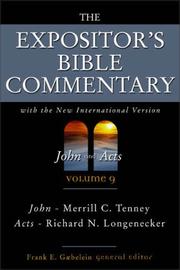
The third statement, "The Word was God," is especially significant. This is a clear statement of deity inasmuch as the noun θεός (theos, "God") is anarthrous; that is, it lacks the article. Much confusion has spawned over this point of Gr. grammar. Robertson et al. have aptly demonstrated that the lack of the article in the predicate is intentional so that the subject can be distinguished. In other words, in the phrase θεὸς ἦν ὁ λόγος (theos en ho logos, "God was the Word"), were it not for the article ὁ (ho) before the word λόγος (logos), the subject of the phrase would be indeterminate. But the presence of the article shows that it is the "Word" that is the subject. The fact that theos is a predicate shows that it is describing the nature of the Word; he is of the same nature and essence as the noun in the predicate; that is, the Word is divine (RHG, p. 767).E.C. Colwell says that "a predicate nominative which precedes the verb cannot be translated as an indefinite or 'qualitative' noun solely because of the absence of the article; if the context suggests that the predicate is definite, it should be translated as a definite noun in spite of the absence of the article. In the case of a predicate noun which follows the verb the reverse is true; the absence of the article in this position is a much more reliable indication that the noun is indefinite" ("A Definite Rule for the Use of the Article in the Greek New Testament," JBL 52 [1933]: 20-21).To say that the absence of the article bespeaks of the nonabsolute deity of the Word is sheer folly. There are many places in this Gospel where the anarthrous theos appears (e.g., 1:6, 12, 13, 18), and not once is the implication that this is referring to just "a god."
Η τρίτη δήλωση, «Ο Λόγος ήταν Θεός», είναι ιδιαίτερα σημαντική. Αυτή αποτελεί σαφή δήλωση της θεϊκότητας αφού το ουσιαστικό θεός είναι άναρθρο· δηλαδή, του λείπει το άρθρο. Πολύ σύγχυση προκλήθηκε για αυτό το σημείο της ελληνικής γραμματικής. Οι Robertson et al. επέδειξαν ορθά ότι η έλλειψη του άρθρου στο κατηγόρημα είναι εσκεμμένη ουτωσώστε το υποκείμενο να μπορεί να διακρίνεται. Με άλλα λόγια, στη φράση θεὸς ἦν ὁ λόγος («Θεός ήταν ο Λόγος»), αν δεν υπήρχε το άρθρο ὁ πριν τη λέξη λόγος, το υποκείμενο της φράσης θα ήταν απροσδιόριστο. Αλλά η παρουσία του άρθρο δείχνει ότι ο «Λόγος» είναι το υποκείμενο. Το γεγονός ότι η λέξη θεός είναι κατηγόρημα δείχνει ότι περιγράφει τη φύση του Λόγου· ότι είναι από την ίδια φύση και ουσία όπως το ουσιαστικό στο κατηγόρημα· δηλαδή, ότι ο Λόγος είναι θεϊκός. (RHG, p. 767)Ο E.C. Colwell αναφέρει ότι «το κατηγόρημα στην ονομαστική το οποίο προηγείται του ρήματος δεν μπορεί να μεταφραστεί ως αόριστο ή "ποιοτικό" ουσιαστικά μόνο εξαιτίας της απουσίας του άρθρου· αν το περικείμενο υποδεικνύει ότι το κατηγόρημα είναι οριστικό, θα πρέπει να μεταφραστεί ως οριστικό ουσιαστικό παρά την απουσία του άρθρου. Στην περίπτωση που το κατηγορηματικό ουσιαστικό ακολουθεί το ρήμα ισχύει το αντίστροφο· η απουσία του άρθρου σε αυτή τη θέση είναι πολύ πιο αξιόπιστη ένδειξη ότι το ουσιαστικό είναι αόριστο». ("A Definite Rule for the Use of the Article in the Greek New Testament" [«Συγκεκριμένος Κανόνας για τη Χρήση του Άρθρου στην Ελληνική Καινή Διαθήκη»], JBL 52 [1933]: 20-21).Το να πούμε ότι η απουσία του άρθρου υποδηλώνει τη μη απόλυτη θεϊκότητα του Λόγου είναι καθαρή παράνοια. Υπάρχουν πολλά σημεία σε αυτό το Ευαγγέλιο στα οποία η άναρθρη λέξη θεός εμφανίζεται (π.χ. 1:6, 12, 13, 18) και ούτε μία φορά δεν υπάρχει η υπόνοια ότι αναφέρεται απλώς σε «θεό».
Volume 9 (John-Acts)//Τόμος 9 (Ιωάννης-Πράξεις), Zondervan, 1981,p./σ. 29.


 |
| S. Kubo & W. Specht, So Many Versions? Twentieth-Century English Versions of the Bible (revised & enlarged ed.), (Τόσες Πολλές Μεταφράσεις; Αγγλικές Μεταφράσεις της Αγίας Γραφής του Εικοστού Αιώνα (αναθεωρημένη & επαυξημένη έκδ.) ) Zondervan, 1983 (p. 99). |

Εντούτοις, καθώς σε αυτό το εδάφιο στα Ελληνικά η λέξη θεός είναι κατηγορηματικό ουσιαστικό και προηγείται του ρήματος και του υποκειμένου, είναι [συνεπώς] οριστική, καθώς το οριστικό κατηγορηματικό ουσιαστικό όταν προηγείται του ρήματος ποτέ δεν παίρνει άρθρο στα Ελληνικά.

Το εναρκτήριο εδάφιο του Ευαγγελίου του Ιωάννη περιέχει ένα από τα πολλά κείμενα στα οποία αυτός ο κανόνας υποδεικνύει τη μετάφραση του κατηγορήματος ως οριστικού ουσιαστικού. Η φράση «Καὶ Θεὸς ἦν ὁ λόγος» φαίνεται πιο κοντά στο «Και ο Λόγος ήταν Θεός» παρά στο «Και ο Λόγος ήταν θεϊκός» όταν εξετάζεται αναφορικά με αυτόν τον κανόνα. Η απουσία του άρθρου δεν καθιστά το κατηγόρημα αόριστο ή ποιοτικό όταν προηγείται του ρήματος· είναι αόριστο σε αυτή τη θέση μόνο όταν το απαιτεί το περικείμενο. Το περικείμενο δεν εγείρει τέτοια απαίτηση στο Ευαγγέλιο του Ιωάννη, διότι η δήλωση αυτή δεν μπορεί να θεωρηθεί ως ξένη στον πρόλογο του ευαγγελίου το οποίο αποκορυφώνεται με την ομολογία του Θωμά.
* Ernst Cadman Colwell,
"A Definite Rule for the Use of the Article in the Greek New Testament"
[Συγκεκριμένος Κανόνας για τη Χρήση του Άρθρου στην Ελληνική Καινή Διαθήκη] *,
Journal of Biblical Literature, Vol./Τόμ. 52, No./Αρ. 1, Apr./Απρ., 1933,
pp./σσ. 12-21
Bibliotheca Sacra


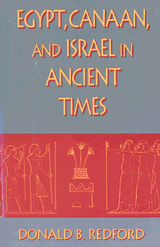
«The localization of the "Land of the Shasu" in the mountainous districts of Se'ir east of the Arabah has an interesting consequence for one name in the mentioned lists from Soleb and Amarah—"Yhw (in) the land of the Shasu." For half a century it has been generally admitted that we have here the tetragrammaton, the name of the Israelite god, "Yahweh"; and if this be the case, as it undoubtedly is, the passage constitutes a most precious indication of the whereabouts during the late fifteenth century B.C. of an enclave revering this god. And while it would be wrong to jump to the conclusion that "Israel" as known from the period of the Judges or the early monarchy was already in existence in Edom at this time, one cannot help but recall the numerous passages in later Biblical tradition that depict Yahweh "coming forth from Se'ir" and originating in Edom. The only reasonable conclusion is that one major component in the later amalgam that constituted Israel, and the one with whom the worship of Yahweh originated, must be looked for among the Shasu of Edom already at the end of the fifteenth century B.C.»