.

Showing posts with label ΦΙΛΩΝΑΣ. Show all posts

Wednesday, March 1, 2017

Ο Φίλων περί των όρων
«ο θεός» & «θεός» /

Philo on the terms
“the god”/“God” and “[a] god”


Ἀλλὰ γὰρ οὐ χρὴ κατεπτηχέναι τὸν ἐλπίδι θείας συμμαχίας ἐφορμοῦντα, ᾧ καὶ λέγεται· “ἐγώ εἰμι ὁ θεὸς ὁ ὀφθείς σοι ἐν τόπῳ θεοῦ” (Gen. 31:13).

πάγκαλόν γε αὔχημα ψυχῇ, τὸ ἀξιοῦν θεὸν ἐπιφαίνεσθαι καὶ ἐνομιλεῖν αὐτῇ. μὴ παρέλθῃς δὲ τὸ εἰρημένον, ἀλλὰ ἀκριβῶς ἐξέτασον, εἰ τῷ ὄντι δύο εἰσὶ θεοί· λέγεται γὰρ ὅτι “ἐγώ εἰμι ὁ θεὸς ὁ ὀφθείς σοι”, οὐκ ἐν τόπῳ ἐμῷ, ἀλλ’ “ἐν τόπῳ θεοῦ,” ὡς ἂν ἑτέρου. τί οὖν χρὴ λέγειν;

ὁ μὲν ἀληθείᾳ θεὸς εἷς ἐστιν, οἱ δ’ ἐν καταχρήσει λεγόμενοι πλείους. διὸ καὶ ὁ ἱερὸς λόγος ἐν τῷ παρόντι τὸν μὲν ἀληθείᾳ διὰ τοῦ ἄρθρου μεμήνυκεν εἰπών· “ἐγώ εἰμι ὁ θεός”, τὸν δ’ ἐν καταχρήσει χωρὶς ἄρθρου φάσκων· “ὁ ὀφθείς σοι ἐν τόπῳ”, οὐ τοῦ θεοῦ, ἀλλ’ αὐτὸ μόνον “θεοῦ”.

καλεῖ δὲ θεὸν τὸν πρεσβύτατον αὐτοῦ νυνὶ λόγον, οὐ δεισιδαιμονῶν περὶ τὴν θέσιν τῶν ὀνομάτων, ἀλλ’ ἓν τέλος προτεθειμένος, πραγματολογῆσαι. καὶ γὰρ ἐν ἑτέροις σκεψάμενος, εἰ ἔστι τι τοῦ ὄντος ὄνομα, σαφῶς ἔγνω ὅτι κύριον μὲν οὐδέν (Ex. 6:3), ὃ δ’ ἂν εἴπῃ τις, καταχρώμενος ἐρεῖ· λέγεσθαι γὰρ οὐ πέφυκεν, ἀλλὰ μόνον εἶναι τὸ ὄν.

μαρτυρεῖ δὲ καὶ τὸ θεσπισθὲν λόγιον τῷ πυνθανομένῳ, εἰ ἔστιν ὄνομα αὐτῷ, ὅτι “ἐγώ εἰμι ὁ ὤν” (Ex. 3:14), ἵν’ ὧν δυνατὸν [v.l. ἀδύνατον] ἀνθρώπῳ καταλαβεῖν μὴ ὄντων περὶ θεόν, ἐπιγνῷ τὴν ὕπαρξιν.

ταῖς μὲν οὖν ἀσωμάτοις καὶ θεραπευτρίσιν αὐτοῦ ψυχαῖς εἰκὸς αὐτὸν οἷός ἐστιν ἐπιφαίνεσθαι διαλεγόμενον ὡς φίλον φίλαις, ταῖς δὲ ἔτι ἐν σώματι ἀγγέλοις εἰκαζόμενον, οὐ μεταβάλλοντα τὴν ἑαυτοῦ φύσιν – ἄτρεπτος γάρ –, ἀλλὰ δόξαν ἐντιθέντα ταῖς φαντασιουμέναις ἑτερόμορφον, ὡς τὴν εἰκόνα οὐ μίμημα, ἀλλ’ αὐτὸ τὸ ἀρχέτυπον ἐκεῖνο εἶδος ὑπολαμβάνειν εἶναι.

* Φίλων / Philo,
Περί τού θεοπέμπτους είναι τους ονείρους /
De somniis 1.227-233.


Yet there can be no cowering fear for the man who relies on the hope of the divine comradship, to whom are addressed the words “I am the God who appeared to thee in the place of God.” (Gen. 31:13)

Surely a right noble cause of vaunting it is, for a soul that God deigns to show himself to and converse with it. And do not fail to mark the language used, but carefully inquire whether there are two Gods; for we read “I am the God that appeared to thee,” not "in my place" but “in the place of God,” as thought it were another’s. What then are we to say?

He that is truly God is one, but those that are improperly so-called are more than one. Accordingly, the holy word in the present instance has indicated Him Who truly is God by means of the articles, saying “I am the God,” while it omits the article when mentioning him who is improperly so called, saying “who appeared to thee in the place" not "of the God” but simply “of God.”

Here it gives the title of “God” to His chief Word, not from any superstitious nicety in applying names, but with one aim before him, to use words to express facts. Thus in another place, when he had inquired whether He that is has any name, he came to know full well that He has no proper name (Ex. 6:3), and that whatever name anyone may use of Him he will use by licence of language; for it is not the nature of Him that is to be spoken of, but simply to be.

Testimony to this is afforded also by the divine response made to Moses’ question whether He has a name, even “I am He that is” (Ex. 3:14). It was given in order that, since there are not in God things which man can comprehend, man may recognize His subsistence.

To the souls indeed which are incorporeal and are occupied in His worship it is likely that He should reveal Himself as He is, conversing with them as friend with friends; but to souls which are still in a body, giving Himself the likeness of angels, not altering His own nature, for He is unchangeable, but conveying to those which receive the impression of His presence a semblance in a different form, such that they take the image to be not a copy, but that original form itself.


(transl. Colson & Whitaker)

But it is not right for the man who anchors on the hope of the alliance of God to crouch and tremble, to whom God says, "I am the God who was seen by thee in the place of God." (Gen. 31:13)

A very glorious boast for the soul, that God should think fit to appear to and to converse with it. And do not pass by what is here said, but examine it accurately, and see whether there are really two Gods. For it is said: "I am the God who was seen by thee;" not in my place, but in the place of God, as if he meant of some other God. What then ought we to say?

There is one true God only: but they who are called Gods, by an abuse of language, are numerous; on which account the holy scripture on the present occasion indicates that it is the true God that is meant by the use of the article, the expression being, "I am the God (ὁ Θεός);" but when the word is used incorrectly, it is put without the article, the expression being, "He who was seen by thee in the place," not of the God (τοῦ Θεοῦ), but simply "of God" (
Θεοῦ);

and what he here calls God is his most ancient word, not having any superstitious regard to the position of the names, but only proposing one end to himself, namely, to give a true account of the matter; for in other passages the sacred historian, when he considered whether there really was any name belonging to the living God, showed that he knew that there was none properly belonging to him (Ex. 6:3); but that whatever appellation any one may give him, will be an abuse of terms; for the living God is not of a nature to be described, but only to be.

And a proof of this may be found in the oracular answer given by God to the person who asked what name he had, "I am that I Am," (Ex. 3:14) that the questioner might know the existence of those things which it was not possible for man to conceive not being connected with God.

Accordingly, to the incorporeal souls which are occupied in his service, it is natural for him to appear as he is, conversing with them as a friend with his friends; but to those souls which are still in the body he must appear in the resemblance of the angels, though without changing his nature (for he is unchangeable), but merely implanting in those who behold him an idea of his having another form, so that they fancy that it is his image, not an imitation of him, but the very archetypal appearance itself.


(transl. C. D. Yonge)

*

Monday, July 29, 2013

Kyrios (Lord)
as the rendering of the Tetragrammaton
in the LXX:
An outdated view /

Ο όρος Κύριος
ως απόδοση του Τετραγράμματου
στην Ο':
Μια παρωχημένη άποψη


* James R. Royse,
"Philo, KURIOS, and the Tetragrammaton"
[Ο Φίλων, ο Κύριος και το Τετραγράμματο],
Studies in Hellenistic Judaism,
Studia Philonica Annual III (Brown Judaic Studies)
,
Atlanta, Georgia: Scholars Press, 1991,
p./σ. 167 [167-183].


Tuesday, October 4, 2011

Philo of Alexandria:
God cannot have
a proper name /

Φίλων ο Αλεξανδρεύς:
Δεν είναι δυνατό για τον Θεό
να έχει κύριο όνομα


The Ancient of Days
by William Blake


ἦν οὖν ἀκόλουθον
τὸ μηδ’ ὄνομα κύριον ἐπιφημισθῆναι δύνασθαι τῷ ὄντι πρὸς ἀλήθειαν.
οὐχ ὁρᾷς ὅτι φιλοπευστοῦντι τῷ προφήτῃ,
τί τοῖς περὶ τοῦ ὀνόματος αὐτοῦ ζητοῦσιν ἀποκριτέον,
φησὶν ὅτι „ἐγώ εἰμι ὁ ὤν“ [Εξοδ. 3:14],
ἴσον τῷ εἶναι πέφυκα, οὐ λέγεσθαι;
τοῦ δὲ μὴ παντάπασιν ἀμοιρῆσαι τὸ τῶν ἀνθρώπων γένος προσρήσεως τοῦ ἀρίστου,
δίδωσι καταχρῆσθαι ὡς ἂν ὁ ὢν ὀνόματι τοιούτῳ.


It was, therefore, quite consistent with reason
that no proper name could with propriety be assigned to him who is in truth the living God.
Do you not see that to the prophet
who is really desirous of making an honest inquiry after the truth,
and who asks what answer he is to give to those who question him as to the name of him who has sent him, he says, "I am that I am," [Exod. 3:14]
which is equivalent to saying, " It is my nature to be, not to be described by name"?
But in order that the human race
may not be wholly destitute of any appellation
which they may give to the most excellent of beings,
I allow you to use the word Lord ["I am that I am"] as a name.


– Φίλων ο Αλεξανδρεύς / Philo of Alexandria,
Περί των μετονομαζομένων και ων ένεκα μετονομάζονται  * /
De mutatione nominum
[On the change of Scripture names]
11.1-12.2.
[Ελληνικά-Αγγλικά/Greek-English, PDF]

Greek text / Ελληνικό κείμενο:
P. Wendland,
Philonis Alexandrini opera quae supersunt, vol. 3.
Berlin: Reimer, 1898 (repr. De Gruyter, 1962).

English translation / Aγγλική μετάφραση:

Charles Duke
Yonge,
The works of Philo Judaeus (1855) vol. 2.


Consequent upon Being's unknowability is the fact that He has no 'proper name' (ὄνομα κύριον). To the reader this statement in § 11 cannot as yet be wholly clear. He or she can be certain that Philo introducing some kind of word-play on the use of the divine name κύριος in the main biblical lemma. But he does not know whether the expression 'proper name' is to be understood as (1) a legitimate name as opposed to an 'improper' or metaphorical appellation, or as (2) a personal proper name (the ambiguity, we note, is preserved in English as well).25 Philo does not leave the reader in suspense. First he indicates the secondary biblical text which he is adducing for purposes of elucidation, Ex. 3:14. Then, by immediately introducing the notion of 'improper use of language' (κατάχρησις, already implicit in the words δίδωσι καταχρῆσθαι § 12), he makes it quite clear that he intends the first of the two possible meanings.

25 It is important to note that the ancients did not clearly distinguish between name and word (ὄνομα serving for both); so in this article I will disregard the distinction as well.

* David Runia,
Exegesis and Philosophy Studies on Philo of Alexandria
[Εξήγηση και Φιλοσοφικές Μελέτες στον Φίλωνα τον Αλεξανδρέα],
Variorum Collected Studies, 1990,
p./σ. 76.

Saturday, September 17, 2011

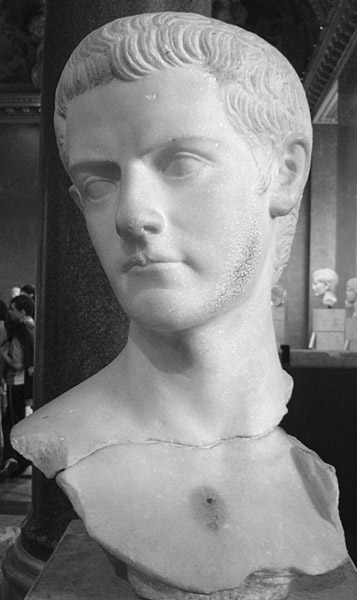
The offensive
public utterance of the Tetragrammaton
made by the Emperor Gaius Caligula (40 C.E.) /

Η προσβλητική
δημόσια αναφορά του Τετραγράμματου
από τον αυτοκράτορα Γάιο Καλιγούλα (40 Κ.Χ.)


*


349 Ἄξιον δὲ ἐπιμνησθῆναι καὶ ὧν εἴδομέν τε καὶ ἠκούσαμεν μεταπεμφθέντες ἀγωνίσασθαι τὸν περὶ τῆς πολιτείας ἀγῶνα. Εἰσελθόντες γὰρ εὐθὺς ἔγνωμεν ἀπὸ τοῦ βλέμματος καὶ τῆς κινήσεως, ὅτι οὐ πρὸς δικαστὴν ἀλλὰ κατήγορον ἀφίγμεθα, τῶν ἀντιτεταγμένων μᾶλλον ἐχθρόν. 350 Δικαστοῦ μὲν γὰρ ἔργα ταῦτα ἦν· καθίσαι μετὰ συνέδρων ἀριστίνδην ἐπιλελεγμένων, ἐξεταζομένης ὑποθέσεως μεγίστης ἐν τετρακοσίοις ἔτεσιν ἡσυχασθείσης καὶ νῦν πρῶτον εἰσαγομένης ἐπὶ μυριάσι πολλαῖς τῶν Ἀλεξανδρέων Ἰουδαίων, ἑκατέρωθεν στῆναι τοὺς ἀντιδίκους μετὰ τῶν συναγορευσόντων, ἐν μέρει μὲν ἀκοῦσαι τῆς κατηγορίας, ἐν μέρει δὲ τῆς ἀπολογίας πρὸς μεμετρημένον ὕδωρ, ἀναστάντα βουλεύσασθαι μετὰ τῶν συνέδρων, τί χρὴ φανερῶς ἀποφήνασθαι γνώμῃ τῇ δικαιοτάτῃ· τυράννου δὲ ἀμειλίκτου δεσποτικὴν ὀφρὺν ἐπανατειναμένου τὰ πραχθέντα.  351 Χωρὶς γὰρ τοῦ μηδὲν ὧν ἀρτίως εἶπον ἐργάσασθαι, μεταπεμψάμενος τοὺς δυεῖν κήπων ἐπιτρόπους τοῦ τε Μαικήνα καὶ Λαμία—πλησίον δέ εἰσιν ἀλλήλων τε καὶ τῆς πόλεως, ἐν οἷς ἐκ τριῶν ἢ τεττάρων ἡμερῶν διέτριβε· κεῖθι γὰρ ἐπὶ παροῦσιν ἡμῖν ἡ κατὰ παντὸς τοῦ ἔθνους ἔμελλε σκηνοβατεῖσθαι δραματοποιία—κελεύει τὰς ἐπαύλεις αὑτῷ πάσας περιανοιχθῆναι· 352 βούλεσθαι γὰρ μετὰ ἀκριβείας ἑκάστην ἰδεῖν. ἡμεῖς δὲ ὡς αὐτὸν εἰσαχθέντες ἅμα τῷ θεάσασθαι μετ’ αἰδοῦς καὶ εὐλαβείας τῆς ἁπάσης νεύοντες εἰς τοὔδαφος ἐδεξιούμεθα, Σεβαστὸν Αὐτοκράτορα προσειπόντες· ὁ δὲ οὕτως ἐπιεικῶς καὶ φιλανθρώπως ἀντιπροσηγόρευσεν, ὡς μὴ μόνον τὴν ὑπόθεσιν ἀλλὰ καὶ τὸ ζῆν ἀπογνῶναι. 353 Σαρκάζων γὰρ ἅμα καὶ σεσηρὼς «ὑμεῖς» εἶπεν «ἐστὲ οἱ θεομισεῖς, οἱ θεὸν μὴ νομίζοντες εἶναί με, τὸν ἤδη παρὰ πᾶσι τοῖς ἄλλοις ἀνωμολογημένον, ἀλλὰ τὸν ἀκατονόμαστον ὑμῖν;» Καὶ ἀνατείνας τὰς χεῖρας εἰς τὸν οὐρανὸν ἐπεφήμιζε πρόσρησιν, ἣν οὐδὲ ἀκούειν θεμιτόν, οὐχ ὅτι διερμηνεύειν αὐτολεξεί. 354 Πόσης εὐθὺς ἀνεπλήσθησαν ἡδονῆς οἱ τῆς ἐναντίας μερίδος πρέσβεις, ἤδη κατωρθωκέναι διὰ τῆς πρώτης ἀναφθέγξεως Γαΐου τὴν πρεσβείαν νομίζοντες· ἐπεχειρονόμουν, ἀνωρχοῦντο, τὰς θεῶν ἁπάντων ἐπωνυμίας ἐπεφήμιζον αὐτῷ.


349 I must now report what we both saw and heard when we were sent to conduct our campaign about our civic position. As soon as we came into Gaius' presence, we realized from his appearance and gestures that we were standing not before a judge but before an accuser more hostile to us than our actual opponents. 350 For the duties of a judge were as follows: to sit with assessors chosen on their merits during the investigation of a vital question affecting many thousands of Alexandrian Jews, which had not been raised for four hundred years and was now being brought up in court for the first time; to let the opposing parties stand on either side of him; to listen first to the accusation and then to the defence for the allotted time; and finally to retire and discuss with his assessors what would be the fairest judgement to pronounce. His actual conduct, however, was that of an implacable tyrant with a scowl on his despotic brow. 351 For apart from doing none of the things which I have just mentioned, he sent for the procurators of the two gardens of Maecenas and Lamia. (These gardens are near to each other and to Rome, and he had been spending the previous three or four days there; it was there that the drama concerning all our people was to be staged, with us as the principal actors.) He told them to have the mansions all opened up for him, as he wanted to inspect each of them in detail. 352 We were brought into Gaius' presence, and as soon as we saw him we bowed low to the ground with the greatest reverence and punctiliousness, and greeted him with the title "Augustus Imperator". His reply was so polite and kind that we despaired not only for our case but also for our lives. 353 For with a sneering grin he said, "So you are the god-haters, the people who do not believe that I am a god-I, who am acknowledged as a god among all other nations by this time but am denied that title by you?" And raising his hands to heaven he uttered a Name which it is a sin even to hear, let alone to pronounce. 354 How overjoyed the envoys from the other party were at this, imagining that Gaius' first remark meant that their mission had already succeeded! They waved their arms about, danced up and down, and called him by the titles of all the gods.

— Φίλων ο Αλεξανδρεύς / Philo of Alexandria,
Πρεσβεία προς Γάιον / Legatio ad Gaium 349-354.

Greek text / Ελληνικό κείμενο:
L. Cohn and S. Reiter,
Philonis Alexandrini opera quae supersunt, vol. 6.
Berlin: Reimer, 1915 (repr. De Gruyter, 1962).

English translation / Αγγλική μετάφραση:
Philonis Alexandrini: Legatio Ad Gaium 
(transl. & comment. E. Mary Smallwood), Brill 1961.


ἐπεφήμιζε πρόσρησιν . . . . I.e. Gaius uttered the sacred name for the Jewish God, Jahweh (the tetragrammaton), as an intentional act of blasphemy.

ἐπεφήμιζε πρόσρησιν . . . . Δηλ. ο Γάιος προέφερε το ιερό όνομα του Ιουδαϊκού Θεού, Ιαβέ (το τετραγράμματο), ως μια εσκεμμένη πράξη βλασφημίας.

(transl. & comment. E. Mary Smallwood),
Brill 1961,
p./σ. 318.


Wednesday, September 14, 2011

Philosophy & early Christianity /

Φιλοσοφία & πρώιμος χριστιανισμός


Traditional Roman religion was a public cult, not private mysticism, and was upheld because it was the received way of keeping heaven friendly. To refuse participation was thought to be an expression of disloyalty. Jews were granted exemption for their refusal because their monotheism was an ancestral national tradition. The Christians, however, did everything in their power to dissuade people from following the customs of their fathers, whether Gentiles or Jews, and thereby seemed to threaten the cohesion of society and the principle that each group was entitled to follow its national customs in religion.

If ancient religion was tolerant, the philosophical schools were seldom so. Platonists, Aristotelians, Stoics, Epicureans, and Skeptics tended to be very critical of one another. By the 1st century BC, an eclecticism emerged—that is, doctrines were selected from different systems of thoughts without adopting the whole parent system for each doctrine—and by the 2nd century AD, there developed a common stock of philosophy shared by most educated people and by some professional philosophers, which derived metaphysics (the philosophical study whose object is to determine the real nature of things and determine their meaning, structure, and principles) involving theories on the nature of Being from Plato, ethics from the Stoics, and logic from Aristotle. This eclectic Platonism provided an important background and springboard for early Christian apologetics (defences of the faith). Its main outlines appear already in Philo of Alexandria, whose thought influenced not only perhaps the writer of the anonymous letter to the Hebrews, traditionally held to be Paul, in the New Testament but also the great Christian thinkers Clement of Alexandria, Origen, and Ambrose of Milan. Because of this widespread philosophical tendency in ancient society, the Christian could generally assume some belief in Providence and assent to high moral imperatives among his pagan contemporaries. Platonism in particular provided a metaphysical framework within which the Christians could interpret the entire pattern of creation, the Fall of humanity, the incarnation, redemption, the church, sacraments, and last things.


Η παραδοσιακή ρωμαϊκή θρησκεία αποτελούσε δημόσια λατρεία, όχι ιδιωτικό μυστικισμό, και την προασπίζονταν επειδή ήταν ο παραδεκτός τρόπος για να παραμένει φιλικός ο ουρανός. Η άρνηση συμμετοχής σε αυτήν θεωρούνταν έκφραση ανοσιότητας. Η άρνηση των Ιουδαίων εξαιρούνταν επειδή ο μονοθεϊσμός τους ήταν προγονική εθνική παράδοση. Οι Χριστιανοί, όμως, έκαναν ό,τι ήταν δυνατόν για να  μεταπείσουν το λαό ώστε να μην ακολουθεί τα έθιμα των πατέρων τους, είτε εκείνοι ήταν Εθνικοί είτε Ιουδαίοι, και συνεπώς φαίνονταν να απειλούν τη συνοχή της κοινωνίας και την αρχή σύμφωνα με την οποία κάθε ομάδα είχε το δικαίωμα να ακολουθεί τα εθνικά της έθιμα ως προς τη θρησκεία.

Αν η αρχαία θρησκεία ήταν ανεκτική, σπάνια ίσχυε το ίδιο για τις φιλοσοφικές σχολές. Οι Πλατωνιστές, οι Αριστοτελικοί, οι Στωικοί, οι Επικούριοι και οι Σκεπτικοί έτειναν να είναι πολύ επικριτικοί προς αλλήλους. Κατά τον 1ο αιώνα π.Χ., εμφανίστηκε ένας εκλεκτικισμός—δηλαδή, επιλέγονταν δόγματα από διαφορετικά συστήματα σκέψης χωρίς να υιοθετείται το σύνολο του γονικού συστήματος για καθένα από τα δόγματα—και κατά τον 2ο αιώνα μ.Χ., αναπύχθηκε τότε ένα κοινό απόθεμα φιλοσοφίας στο οποίο συμμετείχαν οι περισσότεροι από τους μορφωμένους ανθρώπους και κάποιοι επαγγελματίες φιλόσοφοι, το οποίο αντλούσε από τη μεταφυσική (τη φιλοσοφική μελέτη που έχει ως αντικείμενο τον καθορισμό της πραγματικής φύσης των πραγμάτων και το να καθορίσει το νόημα, τη δομή και τις αρχές τους) αναμειγνύοντας θεωρίες περί της φύσης του Όντος από τον Πλάτωνα, την ηθική από τους Στωικούς και τη λογική από τον Αριστοτέλη. Ο εκλεκτικιστικός Πλατωνισμός παρείχε ένα σημαντικό υπόβαθρο και εφαλτήριο για την πρωτοχριστιανική απολογητική (υπερασπίσεις της πίστης). Οι βασικές γραμμές εμφανίζονται ήδη στον Φίλωνα τον Αλεξανδρέα, του οποίου η σκέψη επηρέασε όχι μόνο πιθανώς τον συγγραφέα της ανώνυμης επιστολής προς Εβραίους, ο οποίος παραδοσιακά θεωρείται ότι είναι ο Παύλος, στην Καινή Διαθήκη αλλά επίσης τους μεγάλους Χριστιανούς στοχαστές Κλήμη Αλεξανδρείας, Ωριγένη και Αμβρόσιο Μεδιολάνων. Εξαιτίας αυτής της διαδεδομένης φιλοσοφικής τάσης στην αρχαία κοινωνία, ο Χριστιανός μπορούσε γενικά να θέτει ως κάποιο βαθμό πίστη στην Πρόνοια και να συναινεί στις υψηλές ηθικές επιταγές μεταξύ των παγανιστών συγχρόνων του. Ο Πλατωνισμός συγκεκριμένα παρείχε ένα μεταφυσικό πλαίσιο εντός του οποίου οι Χριστιανοί μπορούσαν να ερμηνεύσουν όλο το σχέδιο της δημιουργίας, την Πτώση της ανθρωπότητας, την ενσάρκωση, την απολύτρωση, την εκκλησία, τα ιερά μυστήρια και τα έσχατα.


* Matt Stefon (ed.),
Christianity: History, Bible and Practice (The Britannica Guide to Religion)
[Χριστιανισμός: Ιστορία, Βίβλος και Πρακτικές (Οδηγός για τη Θρησκεία της Britannica)],
Britannica Educational Publishing 2012,
p./σ. 24 (also, pp. 33, 34 / επίσης, σσ. 33, 34).

Sunday, July 10, 2011

Τι είναι χειρότερο,
να αποκαλέσεις τον Θεό με το όνομά του
ή να Τον καταραστείς;
Μια περίπτωση παρερμηνείας από την Ο' /

What is worse,
to address God by name
or to curse Him?
A case of misinterpretation by the LXX


Μετὰ δὲ τὴν τοῦ ἀνοσίου καὶ παλαμναίου τίσιν ἐγράφη διάταγμα καινόν, οὐκ ἄν ποτε προηγουμένης ἀξιωθὲν γραφῆς, ἀλλ’ αἱ ἀπροσδόκητοι νεωτεροποιίαι καινοὺς νόμους εἰς ἀνακοπὴν ἁμαρτημάτων ἐπιζητοῦσιν. Αὐτίκα γοῦν νομοθετεῖται τάδε· ὃς ἂν καταράσηται θεόν, ἁμαρτίας ἔνοχος ἔστω, ὃς δ’ ἂν ὀνομάσῃ τὸ ὄνομα κυρίου, θνῃσκέτω. [Lev. 24:15, 16] Εὖ γ’, ὦ πάνσοφε, μόνος ἀμιγοῦς ἠκρατίσω σοφίας. Τοῦ καταρᾶσθαι χεῖρον τὸ ὀνομάζειν ὑπείληφας· οὐ γὰρ ἂν τὸν μὲν βαρύτατον ἀσέβημα εἰργασμένον ἐπεκούφιζες διημαρτηκόσιν ἐπιεικέστερον συντάττων, κατὰ δὲ τοῦ βραχύτερον ἠδικηκέναι δόξαντος τὴν ἀνωτάτω τιμωρίαν, θάνατον, ὥριζες. Ἀλλ’ ὡς ἔοικε „θεοῦ“ τὰ νῦν οὐχὶ τοῦ πρώτου καὶ γεννητοῦ τῶν ὅλων ἀλλὰ τῶν ἐν ταῖς πόλεσι μέμνηται· ψευδώνυμοι δ’ εἰσὶ γραφέων καὶ πλαστῶν τέχναις δημιουργούμενοι· ξοάνων γὰρ καὶ ἀγαλμάτων καὶ τοιουτοτρόπων ἀφιδρυμάτων ἡ οἰκουμένη μεστὴ γέγονεν, ὧν τῆς βλασφημίας ἀνέχειν ἀναγκαῖον, ἵνα μηδεὶς ἐθίζηται τῶν Μωυσέως γνωρίμων συνόλως θεοῦ προσρήσεως ἀλογεῖν· ἀξιονικοτάτη γὰρ καὶ ἀξιέραστος ἡ κλῆσις. Εἰ δέ τις οὐ λέγω βλασφημήσειεν εἰς τὸν ἀνθρώπων καὶ θεῶν κύριον, ἀλλὰ καὶ τολμήσειεν ἀκαίρως αὐτοῦ φθέγξασθαι τοὔνομα, θάνατον ὑπομεινάτω τὴν δίκην.


But after the punishment of this impious murderer, a new commandment was enacted, which had never before been thought worthy of being reduced to writing; but unexpected innovations cause new laws to be devised for the repression of their evils. At all events, the following law was immediately introduced: “Whoever curses God shall be guilty of sin, and whoever names the name of the Lord shall die.” [Leviticus 24:15, 16] Well done, O all-wise man! You alone have drunk of the cup of unalloyed wisdom. You have seen that it was worse to name God than even to curse him; for you would never have treated lightly a man who had committed the heaviest of all impieties, and inflicted the heaviest punishment possible on those who committed the slightest faults; but you fixed death, which is the very greatest punishment imaginable, as the penalty for the man who appeared to have committed the heaviest crime. But, as it seems, he is not now speaking of that God who was the first being who had any existence, and the Father of the universe, but of those who are accounted gods in the different cities; and they are falsely called gods, being only made by the arts of painters and sculptors, for the whole inhabited world is full of statues and images, and erections of that kind, of whom it is necessary however to abstain from speaking ill, in order that no one of the disciples of Moses may ever become accustomed at all to treat the appellation of God with disrespect; for that name is always most deserving to obtain the victory, and is especially worthy of love. But if any one were, I will not say to blaspheme against the Lord of gods and men, but were even to dare to utter his name unseasonably, he must endure the punishment of death.


* Φίλων ο Ιουδαίος / Philo Judaeus,
Περί του Βίου Μωυσέως / De vita Mosis 2:203-206.
[English/Αγγλικά, HTML (transl. Yonge) & Ελληνικά/Greek, PDF]

Monday, February 14, 2011

Helmut Koester:

Towards a Christian Bible canon /

Προς το χριστιανικό κανόνα της Βίβλου


Philo of Alexandria had learned the allegorical method from the Stoic interpretation of Homer and had applied it to the books of Moses. Clement of Alexandria had adopted this Philonic method and used it with respect to all sorts of writings, including the writings of the Greek philosophers, whom he could also call prophetic and inspired. Clement, however, did not see any reason to restrict this allegorical method to the definition of a Christian canon. Only on occasion, as in his letter concerning the Secret Gospel of Mark that was used by the Carpocratians, did he make a distinction.

The shift that was taking place with Clement of Alexandria and, subsequently, with the great Alexandrian theologian Origen is most significant. Until then, only the Old Testament, as an inspired and prophetic document, called for a spiritual and allegorical interpretation that was capable of uncovering its hidden truths insofar as they referred to the events of salvation. Only gnostic circles had found that the sayings of Jesus were also secret revelations that required an interpretation accessible exclusively to those who were initiated into the circle of the truly elect. The Alexandrian theologians, especially Origen, adopted this gnostic principle and extended the concept of inspiration to the Gospels and to the letters of Paul, that is, to the literature that formed the nucleus of the Christian canon developed by Irenaeus and Tertullian. All these writings now became the bearers of religious truths that were mysteriously hidden in the words of these writings and accessible only to the inspired interpreter. This implied that the apostles who had produced these writings were themselves inspired; they were no longer witnesses of the most important moment in the history of salvation but communicators of deep religious wisdom and doctrine. This provided "the rational basis for regarding the Canon (comprising both the Old and the New Testament) as unified, infallible, and inexhaustible." Because deep meaning could be found in even the smallest word of scripture, the doctrine of verbal inspiration of the entire scripture came into existence.


Ο Φίλων Αλεξανδρείας είχε μάθει την αλληγορική μέθοδο από την στωική ερμηνεία του Ομήρου και την είχε εφαρμόσει στα βιβλία του Μωυσή. Ο Κλήμης Αλεξανδρείας είχε υιοθετήσει αυτή τη φιλώνεια μέθοδο και την χρησιμοποίησε σταθερά σε όλα τα είδη συγγραμμάτων, περιλαμβανομένων και των συγγραμμάτων των Ελλήνων φιλοσόφων, τα οποία μάλιστα αποκαλούσε προφητικά και θεόπνευστα. Ο Κλήμης, όμως, δεν έβρισκε το λόγο για να περιορίσει αυτή την αλληγορική μέθοδο κατά τον ορισμό του χριστιανικού κανόνα. Μόνο περιστασιακά, όπως στην επιστολή του σχετικά με το Μυστικό Ευαγγέλιο του Μάρκου που ήταν σε χρήση μεταξύ των Καρποκρατιανών, έκανε διάκριση.

Η μετάβαση που έλαβε χώρα με τον Κλήμη Αλεξανδρείας και, επακόλουθα, με τον μεγάλο Αλεξανδρινό θεολόγο Ωριγένη είναι ύψιστης σημασίας. Μέχρι τότε, μόνο η Παλαιά Διαθήκη, ως θεόπνευστο και προφητικό κείμενο, ήταν πρόσφορη για πνευματική και αλληγορική ερμηνεία που ήταν δυνατό να αποκαλύψει τις κρυμμένες αλήθειες στο βαθμό που αναφέρονταν στα γεγονότα της σωτηρίας. Μόνο οι γνωστικοί κύκλοι είχαν ανακαλύψει ότι τα λόγια του Ιησού αποτελούσαν επίσης κρυφές αποκαλύψεις που απαιτούσαν μια ερμηνεία που ήταν διαθέσιμη αποκλειστικά σε εκείνους που ήταν μυημένοι στο κύκλο των αληθινά εκλεκτών. Οι Αλεξανδρινοί θεολόγοι, και ειδικά ο Ωριγένης, υιοθέτησαν αυτή τη γνωστική αρχή και επέκτειναν την αντίληψη περί θεοπνευστίας στα Ευαγγέλια και στις επιστολές του Παύλου, δηλαδή στη γραμματεία που αποτέλεσε τον πυρήνα του χριστιανικού κανόνα που αναπτύχθηκε από τον Ειρηναίο και τον Τερτυλλιανό. Όλα αυτά τα συγγράμματα έγιναν πλέον οι φορείς των θρησκευτικών αληθειών οι οποίες ήταν μυστηριωδώς κρυμμένες στις λέξεις αυτών των συγγραμμάτων και ήταν προσβάσιμες μόνο στον θεόπνευστο ερμηνευτή. Αυτό υποδήλωνε ότι οι απόστολοι που είχαν συντάξει αυτά τα συγγράμματα ήταν επίσης θεόπνευστοι
· δεν ήταν πια μάρτυρες της σημαντικότερης στιγμής στην ιστορία της σωτηρίας αλλά κοινωνοί βαθιάς θρησκευτικής σοφίας και δόγματος. Αυτό παρείχε «την ορθολογική βάση ώστε να θεωρηθεί ο Κανόνας (αποτελούμενος από αμφότερες Παλαιά και Καινή Διαθήκη) ως ενιαίος, αλάνθαστος και ανεξάντλητος». Καθώς βαθιά νοήματα μπορούν να βρεθούν και στην παραμικρότερη λέξη της γραφής, το δόγμα της προφορικής θεοπνευστίας του συνόλου της γραφής ήρθε σε ύπαρξη.

* Helmut Koester,
"Writings and the Spirit: Authority and Politics in Ancient Christianity"
«Συγγράμματα και το Πνεύμα: Αυθεντία και Πολιτική στον Αρχαίο Χριστιανισμό»,
The Harvard Theological Review,

Cambridge University Press - Harvard Divinity School,
Vol./Τόμ. 84, No./Αρ. 4 (Oct./Οκτ., 1991),
pp./σσ. 371, 372.

Friday, July 30, 2010

Philo's theological interpretation of the Scriptures
& God
Η θεολογική ερμηνεία των Γραφών του Φίλωνα
& ο Θεός


4.2. Philo's Theological Basis for the Interpretation of Scripture

Philo finds the true name of God in Exod 3:14 (LXX): εγώ ειμι ο Ων. God 'is' (Opif. 170), he is 'the Being One' and 'being' (το ον) at once. The fusion of LXX language with Platonic concepts becomes evident. Both qualifications, the masculine ( = personal) one of the Bible and the neuter one of philosophy, occur with equal frequency.

This does not mean that Philo's God is beyond gender: He is 'male' in the sense of 'active', 'creative'; matter (ύλη) is female and passive. Thus the whole system of cross-references between the world of ideas and the material cosmos, which is the basis of Philo's allegorical interpretations, relies on naturalistic pre-conceptions of an extreme kind.

In the realm of epistemology Philo's statements are paradoxical. Philo's Old Testament roots become obvious in a particularly strong accent on the transcendence of God. Είναι πέφυκα, ού λέγεσθαι God says in G 20.1 ("I've got to be, not to be spoken of" - cf L 25.75). In the extreme neither the Tetragrammaton nor its most subtle Greek replacement, ο Ων, apply. Nevertheless, the "truly being God" is regarded as a μάθημα ('object of learning', L 28.332). Time and again Philo describes the ascent of "the soul" (scil. of a person meditating Moses' Law) as a comprehension of God which, of course, goes far beyond words.


4.2. Η Θεολογική Βάση του Φίλωνα για την Ερμηνεία της Γραφής


Ο Φίλωνας επισημαίνει το όνομα του Θεού στο Έξ 3:14 (Ο'): εγώ ειμι ο Ων. Ο Θεός 'είναι' (Περί της κατά Μωυσέα κοσμοποιίας 170), αυτός είναι 'ο Ων' και 'το ον' ταυτόχρονα. Η σύγκραση της γλώσσας της Ο' με πλατωνικές αντιλήψεις είναι φανερή. Και τα δύο χαρακτηριστικά, το αρσενικό ( = προσωπικό) της Βίβλου και το ουδέτερο της φιλοσοφίας, εμφανίζονται με την ίδια συχνότητα.

Αυτό δεν σημαίνει ότι ο Θεός του Φίλωνα είναι υπεράνω φύλου. Είναι 'άρρεν' με την έννοια του 'ενεργού', 'δημιουργικού'· η ύλη είναι θηλυκή και παθητική. Συνεπώς όλο το σύστημα αλληλεπιδράσεων μεταξύ του κόσμου των ιδεών και του υλικού κόσμου, το οποίο αποτελεί τη βάση των αλληγορικών ερμηνειών του Φίλωνα, εξαρτάται από φυσιοκρατικές προδιαμορφωμένες αντιλήψεις υπερβολικού βαθμού.

Στο χώρο της επιστημολογίας οι δηλώσεις του Φίλωνα είναι παράδοξες. Οι παλαιοδιαθηκικές ρίζες του Φίλωνα γίνονται φανερές στην ιδιαίτερα μεγάλη έμφαση που δίνει στην υπερβατικότητα του Θεού. Είναι πέφυκα, ού λέγεσθαι λέει ο Θεός στο Νόμων Ιερών Αλληγορίας [:Περί των Μετονομαζομένων] 20:1 (παραβ. Περί του Βίου Μυσέως Λόγος Πρώτος 75). Φτάνοντας στα άκρα δεν εφαρμόζεται σε Αυτόν ούτε το Τετραγράμματο ούτε το πιο περίτεχνο υποκατάστατό του, ο Ων. Εντούτοις, ο "όντως ων Θεός" θεωρείται ως μάθημα ('αντικείμενο εκμάθησης', Νόμων Ιερών Αλληγορίας [:Περί των Μετονομαζομένων] 28.332). Σε κάποιες περιπτώσεις ο Φίλωνας περιγράφει την ανύψωση "της ψυχής" (ενν. ενός ατόμου που στοχάζεται στον Νόμο του Μωυσή) ως κατανόηση του Θεού η οποία είναι φυσικά ανεκλάλητη.

* Magne Sæbø, Chris Brekelmans & Menahem Haran,
Hebrew Bible / Old Testament: The history of its interpretation, Vol. 1, Part 1 Antiquity,
Vandenhoeck & Ruprecht, 1996,
pp./σσ. 168, 169.

Monday, January 25, 2010

Συνεισφέρει ο Φίλωνας
στην κατανόηση του πρώιμου Χριστιανισμού;
Does Philo help
explain Early Christianity?


«If the question concerns Philo’s usefulness in helping us to see more clearly the New Testament writings and earliest Christianity in the first-century religious and cultural environment, and more specifically in the context of second-temple Jewish traditions, then the answer is an unhesitating “yes”. [...] If, however, the question has to do with aetiology, that is, whether in Philo’s writings we find the impetus, derivation, or causes for important features of earliest Christianity, then I think the correct judgement must be negative».

[«Αν το ερώτημα αφορά στη χρησιμότητα του Φίλωνα για την υποβοήθησή μας ώστε να δούμε καθαρότερα τα συγγράμματα της Καινής Διαθήκης και τον πρωιμότερο Χριστιανισμό μέσα στο θρησκευτικό και πολιτισμικό περιβάλλον του πρώτου αιώνα, και πιο ειδικά μέσα στη συνάφεια των ιουδαϊκών παραδόσεων του δεύτερου ναού, τότε η απάντηση είναι ένα απερίφραστο "ναι". [...] Αν, όμως, το ερώτημα έχει να κάνει με την αιτιολογία, δηλαδή, αν στα συγγράμματα του Φίλωνα εντοπίζουμε την ώθηση, την προέλευση, ή τις αιτίες σημαντικών χαρακτηριστικών τού πρωιμότερου Χριστιανισμού, τότε νομίζω ότι η ορθή απόκριση θα πρέπει να είναι αρνητική».]

* Larry W. Hurtado,
Does Philo Help Explain Early Christianity?,
[Συνεισφέρει ο Φίλωνας στην Κατανόηση του Πρώιμου Χριστιανισμού;]
Tübingen: Mohr Siebeck, 2004. [Αγγλικά, DOC]

Sunday, January 24, 2010

Σπερματικοί λόγοι: Στωικοί, Φίλων & Ιωάννης /
Seminal Logos': Stoics, Philo & John


«Heraclitus' successors--to the extent they understood fire as the primordial source of all things--were the Stoics. This creative fire was called the logos spermatikos (i.e., Seminal Reason). E[dwyn] Bevan asserted that "the orderly working of nature was its operation: organic beings grew according to regular types, because the Divine Reason was in them as a λόγος σπερματικός, a formula of life developing from a germ." This, in turn, led the Stoics into a warm "theoretical pantheism," as seen in the Hymn to Zeus of Cleanthes of Epictetus' Discourses. The Stoic logos is not parallel to the Logos of John, as Bevan observes: "It is sometimes said that the Stoic σπερματικός λόγος was parallel to the cosmic Logos of Philo or the Fourth Gospel, but in the fragments of the old Stoic books the word is habitually used in the plural, σπερματικοί λόγοι, for the multitude of specific types reproduced by propagation. Stoicism knew of no cosmic Logos distinct from God or the Divine fire: where they speak of the λόγος of the world in the singular they generally mean the 'scheme' of the world"».

[«Οι διάδοχοι του Ηράκλειτου—στο βαθμό που κατανοούσαν τη φωτιά ως την αρχέγονη πηγή των πάντων—ήταν οι Στωικοί. Αυτή η δημιουργική φωτιά αποκαλούνταν λόγος σπερματικός. Ο E[dwyn] Bevan υποστήριξε ότι "η εύτακτη εργασία της φύσης ήταν η λειτουργία του: οργανικά όντα αναπτύσσονταν σύμφωνα με πρότυπα, επειδή ο Θείος Λόγος ήταν μέσα τους ως λόγος σπερματικός, μια μορφή ζωής που αναπτυσσόταν από ένα σπέρμα". Αυτό, κατ' επέκταση, οδήγησε τους Στωικούς σε έναν ένθερμο "θεωρητικό πανθεϊσμό", όπως φαίνεται από τον Ύμνο προς τον Δία του Κλεάνθη στις Διατριβές του Επίκτητου. Ο στωικός Λόγος δεν είναι παράλληλος με το Λόγο του Ιωάννη, όπως παρατηρεί ο Bevan: "Λέγεται μερικές φορές ότι ο στωικός σπερματικός λόγος ήταν παράλληλος με τον κοσμικό Λόγο του Φίλωνα ή του Τετάρτου Ευαγγελίου, αλλά στα αποσπάσματα των αρχαίων στωικών βιβλίων ο λόγος συνήθως είναι στον πληθυντικό αριθμό, σπερματικοί λόγοι, διότι το πλήθος των συγκεκριμένων τύπων διαδίδονταν μέσω της αναπαραγωγής. Ο στωικισμός δεν γνώριζε κανέναν κοσμικό Λόγο που να διακρινόταν από τον Θεό ή την Θεία φωτιά: όπου αναφέρονταν στο λόγο του κόσμου στον ενικό αριθμό εννοούσαν γενικά την "δομική τάξη" του κόσμου"».]

* James Parker,
«The Incarnational Christology of John»,
[Η περί Ενσαρκώσεως Χριστολογία του Ιωάννη],
Criswell Theological Review 3.1 (1988) 31-48 (εδώ σ. 32). [Αγγλικά, PDF]

Friday, January 8, 2010

Ιουδαϊσμός & ελληνισμός:
η χριστιανική σύγκρασή τους


«Ο Φίλωνας αντλεί από τους Πυθαγόρειους, τον Αριστοτέλη, τους Σκεπτικιστές και τους Στωϊκούς και δημιουργεί ένα δεσμό μεταξύ Ιουδαϊσμού και Ελληνισμού. Συνδέει επίσης Ιουδαϊσμό και Χριστιανισμό. Έχει επιδράσει στον Ιουστίνο και στους μεγάλους χριστιανούς της Αλεξάνδρειας, Ωριγένη και Κλήμεντα, καθώς και στον άγιο Αμβρόσιο Μεδιολάνων. Το σημαντικό είναι στη θεολογία του ότι μεταφράζει την Παλαιά Διαθήκη με τους όρους της ελληνικής φιλοσοφίας. Οι όροι «πνεύμα», «απόρροια», «υετοί», «σπέρματα», «λόγος» είναι ισοδύναμοι, γιατί όλοι αυτοί εξυπονοούν γι’ αυτόν ελληνική φιλοσοφία, μας ενημερώνει ο Μητροπολίτης Μεθόδιος Φούγιας (μνημονευθέν έργο του, σελ. 143-144).

Ο σκοπός της χριστιανικής φιλοσοφούσας διανόησης ήταν η σύνθεση Ελληνισμού – Χριστιανισμού επί τη αποδείξει των αληθειών της χριστιανικής αποκάλυψης. Για το σκοπό αυτό επιστρατεύθηκαν σπουδαίοι Απολογητές του Χριστιανισμού με σπουδές στα εθνικά κέντρα της εποχής και απόφοιτοι φιλοσοφικών σχολών. Οι απολογητές αντλούν τα επιχειρήματά τους από τη Στωική φιλοσοφία, τους Επικούρειους, το Νεοπλατωνισμό και τους Κυνικούς. Βγαίνουν δε σε διάλογο με τον εθνικό κόσμο υπερασπιζόμενοι τη νέα θρησκεία με τη βοήθεια των Ελλήνων φιλοσόφων, των οποίων όχι ολίγες αντιλήψεις αναγνωρίζουν ότι προέρχονται με τη μεσολάβηση του Πνεύματος Θεού από το χώρο της όντως αλήθειας».

* Μιχαήλ Χούλης,
«Η σύγκραση Ιουδαϊσμού, Ελληνισμού και Χριστιανισμού
ως μοναδικό και ανεπανάληπτο κριτήριο αυθεντικής ερμηνείας
του νοήματος της Ιστορίας
». *