
Ραχοκοκαλιά του βιβλίου του Δρ. Παύλου Δ. Βασιλειάδη με τίτλο Η Καινή Διαθήκη στη Δημοτική: Η ευόδωση ενός μακραίωνου αγώνα αποτελούν, πρώτον η ιστορική αναδρομή και δεύτερον τα ποιοτικά χαρακτηριστικά των μεταφράσεων. Ως προς το πρώτο σκέλος, στο δεύτερο κεφάλαιο ο συγγραφέας ξετυλίγει το νήμα αυτού του μακροχρόνιου πνευματικού αγώνα ανά αιώνες:
Η Ευρύτερη Θεματολογία του Έργου
Πέρα από την ιστορική αναδρομή, στο βιβλίο αναπτύσσονται οι εξής σημαντικοί θεματικοί άξονες:
Η Θεολογία της Προσβασιμότητας (Κεφάλαιο 1): Ο συγγραφέας τεκμηριώνει θεολογικά ότι ο χριστιανισμός γεννήθηκε ως ένα κίνημα στη διάδοση του οποίου καθοριστικό ρόλο έπαιξε η μετάφραση των ιερών γραφών στις ομιλούμενες γλώσσες των λαών. Ήδη στον πρόλογο, τον οποίο επιμελήθηκε ο Δρ. Πέτρος Παρθένης, αναφέρεται η αφήγηση της Πεντηκοστής, όπου το Άγιο Πνεύμα δίνει τη δυνατότητα στους Αποστόλους να μιλήσουν στις μητρικές γλώσσες των ακροατών τους, αποδεικνύοντας ότι ο Θεός επιθυμεί το μήνυμά του να είναι άμεσα κατανοητό. Παρόμοια, γίνετται αναφορά μεταξύ άλλων στον Ωριγένη, ο οποίος υπερασπίστηκε το απλό ύφος των Γραφών έναντι των κατηγοριών του Κέλσου.
Τα Ποιοτικά Χαρακτηριστικά των Μεταφράσεων (Κεφάλαιο 3): Εξετάζονται οι φιλολογικές και μεταφραστικές μέθοδοι που χρησιμοποιήθηκαν ανά τους αιώνες. Αναλύεται η ισορροπία που έπρεπε να κρατήσουν οι μεταφραστές ανάμεσα στην πιστότητα στο πρωτότυπο κείμενο και τη φυσικότητα της νεοελληνικής γλώσσας. Διάφορες παράμετροι καταγράφονται και εξετάζονται με τρόπο συστηματικό και εποπτικό.
Η Επιβίωση των Μεσαιωνικών Επιφυλάξεων (Κεφάλαιο 4): Στο κλείσιμο του έργου, ο συγγραφέας προχωρά σε μια καίρια κοινωνιολογική και εκκλησιαστική παρατήρηση: Αυτό που ξαφνιάζει είναι ότι, αιώνες μετά την Αναγέννηση και τον Διαφωτισμό, και ήδη διακόσια χρόνια μετά την ίδρυση του νεοελληνικού κράτους, το ελληνόφωνο αναγνωστικό κοινό επηρεάζεται ακόμα από τη βαριά σκιά της μεσαιωνικής αυτής παράδοσης, η οποία αντιμετώπιζε με καχυποψία την άμεση πρόσβαση του λαού στο ιερό κείμενο χωρίς τη μεσολάβηση της εκκλησιαστικής αυθεντίας.
Το έργο καταλήγει στο συμπέρασμα ότι η ευόδωση αυτού του μακραίωνου αγώνα αποτελεί τελικά μια νίκη του εκδημοκρατισμού της βιβλικής γνώσης, επιτρέποντας στον σύγχρονο αναγνώστη να προσεγγίσει το Ευαγγέλιο των χριστιανικών γραφών στη γλώσσα που σκέφτεται και αισθάνεται.
Showing posts with label ΚΑΙΝΗ ΔΙΑΘΗΚΗ: ΓΛΩΣΣΑ. Show all posts
Showing posts with label ΚΑΙΝΗ ΔΙΑΘΗΚΗ: ΓΛΩΣΣΑ. Show all posts
Tuesday, July 21, 2026
Αδρομερής παρουσίαση
του βιβλίου του Π.Δ. Βασιλειάδη,
Η Καινή Διαθήκη στη Δημοτική:
Η ευόδωση ενός μακραίωνου αγώνα /
Overview of the main points
of P.D. Vasileiadis’ book
The New Testament in Modern Greek:
The culmination of a centuries-long struggle :
του βιβλίου του Π.Δ. Βασιλειάδη,
Η Καινή Διαθήκη στη Δημοτική:
Η ευόδωση ενός μακραίωνου αγώνα /
Overview of the main points
of P.D. Vasileiadis’ book
The New Testament in Modern Greek:
The culmination of a centuries-long struggle :


Thursday, April 23, 2015
On Colwell's rule
& Joh 1:1
again /
Περί του κανόνα του Colwell
& του Ιωα 1:1
και πάλι
& Joh 1:1
again /
Περί του κανόνα του Colwell
& του Ιωα 1:1
και πάλι

%2Bp.%2B257.png)
%2Bp.%2B258.png)
%2Bp.%2B259.png)
%2Bp.%2B260.png)
Daniel B. Wallace,
Greek Grammar Beyond the Basics: An Exegetical Syntax of the New Testament,
Zondervan, 1996,
pp./σσ. 257-260.
page 266
6. Application of Colwell’s Construction to John 1:1John 1:1 states: vEn avrch/| h==n o` lo,goj( kai. o` lo,goj h==n pro.j to.n qeo,n( kai. qeo.j h==n o` lo,goj) In the last part of the verse, the clause kai. qeo.j h==n o` lo,goj (John 1:1c), qeo,j is the PN. It is anarthrous and comes before the verb. Therefore, it fits Colwell’s construction, though it might not fit the rule (for the rule states that definiteness is determined or indicated by the context, not by the grammar). Whether it is indefinite, qualitative, or definite is the issue at hand.
a. Is Qeo,j in John 1:1c Indefinite?If qeo,j were indefinite, we would translate it “a god” (as is done in the New World Translation [NWT]). If so, the theological implication would be some form of polytheism, perhaps suggesting that the Word was merely a secondary god in a pantheon of deities.The grammatical argument that the PN here is indefinite is weak. Often, those who argue for such a view (in particular, the translatorsof the NWT) do so on the sole basis that the term is anarthrous. Yet they are inconsistent, as R. H. Countess pointed out:In the New Testament there are 282 occurrences of the anarthrous qeo,j. At sixteen places NWT has either a god, god, gods, or godly. Sixteen out of 282 means that the translators were faithful to their translation principle only six percent of the time. . . .The first section of John–1:1-18–furnishes a lucid example of NWT arbitrary dogmatism. Qeo,j occurs eight times–verses 1, 2, 6, 12, 13, 18–and has the article only twice–verses 1, 2. Yet NWT six times translated “God,” once “a god,” and once “the god.”If we expand the discussion to other anarthrous terms in the Johannine Prologue, we notice other inconsistencies in the NWT: It is interesting that the New World Translation renders qeo,j as “a god” on the simplistic grounds that it lacks the article. This is surely an insufficient basis. Following the “anarthrous = indefinite” principle would mean that avrch/| should be “a beginning” (1:1, 2), zwh, should be “a life” (1:4), para. qeou/ should be “from a god” (1:6), VIwa,nnhj should be “a John” (1:6), qeo,n should be “a god” (1:18), etc. Yet none of these other anarthrous nouns is rendered with an indefinite article. One can only suspect strong theological bias in such a translation.According to Dixon’s study, if qeo,j were indefinite in John 1:1, it would be the only anarthrous pre-verbal PN in John’s Gospel to be so. Although we have argued that this is somewhat overstated, the general point is valid: The indefinite notion is the most poorly attested for anarthrous pre-verbal predicate nominatives. Thus, grammatically such a meaning is improbable. Also, the context suggests that such is not likely, for the Word already existed in the beginning. Thus, contextually and grammatically, it is highly improbable that the Logos could be “a god” according to John. Finally, the evangelist’s own theology militates against this view, for there is an exalted Christology in the Fourth Gospel, to the point that Jesus Christ is identified as God (cf. 5:23; 8:58; 10:30; 20:28, etc.).
b. Is Qeo,j in John 1:1c Definite?Grammarians and exegetes since Colwell have taken qeo,j as definite in John 1:1c. However, their basis has usually been a misunderstanding of Colwell’s rule. They have understood the rule to say that an anarthrous pre-verbal PN will usually be definite (rather than the converse). But Colwell’s rule states that a PN which is probably definite as determined from the context which precedes a verb willusually be anarthrous. If we check the rule to see if it applies here, we would say that the previous mention of qeo,j (in 1:1b) is articular. Therefore, if the same person being referred to there is called qeo,j in 1:1c, then in both places it is definite. Although certainly possible grammatically (though not nearly as likely as qualitative), the evidence is not very compelling. The vast majority of definite anarthrous pre-verbal predicate nominatives are monadic, in genitive constructions, or are proper names, none of which is true here, diminishing the likelihood of a definite qeo,j in John 1:1\c.Further, calling qeo,j in 1:1c definite is the same as saying that if it had followed the verb it would have had the article. Thus it would be a convertible proposition with lo,goj (i.e., “the Word” = “God” and “God” = “the Word”). The problem of this argument is that the qeo,j in 1:1b is the Father. Thus to say that the qeo,j in 1:1c is the same person is to say that “the Word was the Father.” This, as the older grammarians and exegetes pointed out, is embryonic Sabellianism or modalism. The Fourth Gospel is about the least likely place to find modalism in the NT.c. Is Qeo,j in John 1:1c Qualitative?The most likely candidate for qeo,j is qualitative. This is true both grammatically (for the largest proportion of pre-verbal anarthrous predicate nominatives fall into this category) and theologically (both the theology of the Fourth Gospel and of the NT as a whole). There is a balance between the Word’s deity, which was already present in the beginning (evn avrch/| ) ) ) qeo.j h==n [1:1], and his humanity, which was added later (sa.rx evge,neto [1:14]). The grammatical structure of these two statements mirrors each other; both emphasize the nature of the Word, rather than his identity. But qeo,j was his nature from eternity (hence, eivmi, is used), while sa,rx was added at the incarnation (hence, gi,nomai is used).Such an option does not at all impugn the deity of Christ. Rather, it stresses that, although the person of Christ is not the person of the Father, their essence is identical. Possible translations are as follows: “What God was, the Word was” (NEB), or “the Word was divine” (a modified Moffatt). In this second translation, “divine” is acceptable only if it is a term that can be applied only to true deity. However, in modern English, we use it with reference to angels, theologians, even a meal! Thus “divine” could be misleading in an English translation. The idea of a qualitative qeo,j here is that the Word had all the attributes and qualities that “the God” (of 1:1b) had. In other words, he shared the essence of the Father, though they differed in person. The construction the evangelist chose to express this idea was the most concise way he could have stated that the Word was God and yet was distinct from the Father.
Monday, October 31, 2011
Is the Holy Spirit
male or neuter? /
Είναι το Άγιο Πνεύμα
αρσενικό ή ουδέτερο;
male or neuter? /
Είναι το Άγιο Πνεύμα
αρσενικό ή ουδέτερο;

There is no text in the NT that clearly or even probably affirms the personality of the Holy Spirit through the route of Greek grammar. The basis for this doctrine must be on other grounds. This does not mean that in the NT the Spirit is a thing, any more than in the OT the Spirit (רוה—a feminine noun) is a female! Grammatical gender is just that: grammatical. The conventions of language do not necessarily correspond to reality. [...] But if grammar cannot legitimately be used to support the Spirit's personality, then perhaps we need to reexamine the rest of our basis for this theological commitment.
Σε κανένα σημείο του κειμένου της ΚΔ δεν επιβεβαιώνεται σαφώς ή έστω πιθανότατα η προσωπικότητα του Αγίου Πνεύματος διαμέσου της ελληνικής γραμματικής. Η βάση για αυτό το δόγμα θα πρέπει να στηριχτεί αλλού. Αυτό δεν σημαίνει ότι στην ΚΔ το Πνεύμα είναι ένα αντικείμενο, όχι περισσότερο απ' ό,τι στην ΠΔ το Πνεύμα (רוה—ουσιαστικό θηλυκού γένους) είναι θηλυκό! Ο γραμματικός τύπος είναι αυτό και μόνο: γραμματικός. Οι συμβάσεις της γλώσσας δεν ανταποκρίνονται κατ' ανάγκην στην πραγματικότητα. [...] Αλλά αν η γραμματική δεν μπορεί δικαιολογημένα να υποστηρίξει την προσωπικότητα του Πνεύματος, τότε πιθανώς χρειάζεται να επανεξετάσουμε το υπόλοιπο της βάσης μας για αυτή τη θεολογική δέσμευση.
[Η Ελληνική Γραμματική και η Προσωπικότητα του Αγίου Πνεύματος],Bulletin for Biblical Research 13.1 (2003) 97-125.[English/Αγγλικά, PDF]

Thursday, September 22, 2011
Η «απόλυτη θεϊκότητα του Λόγου»
& η Γραμματική /
The "absolute deity of the Word"
& the Grammar
& η Γραμματική /
The "absolute deity of the Word"
& the Grammar

The third statement, "The Word was God," is especially significant. This is a clear statement of deity inasmuch as the noun θεός (theos, "God") is anarthrous; that is, it lacks the article. Much confusion has spawned over this point of Gr. grammar. Robertson et al. have aptly demonstrated that the lack of the article in the predicate is intentional so that the subject can be distinguished. In other words, in the phrase θεὸς ἦν ὁ λόγος (theos en ho logos, "God was the Word"), were it not for the article ὁ (ho) before the word λόγος (logos), the subject of the phrase would be indeterminate. But the presence of the article shows that it is the "Word" that is the subject. The fact that theos is a predicate shows that it is describing the nature of the Word; he is of the same nature and essence as the noun in the predicate; that is, the Word is divine (RHG, p. 767).E.C. Colwell says that "a predicate nominative which precedes the verb cannot be translated as an indefinite or 'qualitative' noun solely because of the absence of the article; if the context suggests that the predicate is definite, it should be translated as a definite noun in spite of the absence of the article. In the case of a predicate noun which follows the verb the reverse is true; the absence of the article in this position is a much more reliable indication that the noun is indefinite" ("A Definite Rule for the Use of the Article in the Greek New Testament," JBL 52 [1933]: 20-21).To say that the absence of the article bespeaks of the nonabsolute deity of the Word is sheer folly. There are many places in this Gospel where the anarthrous theos appears (e.g., 1:6, 12, 13, 18), and not once is the implication that this is referring to just "a god."
Η τρίτη δήλωση, «Ο Λόγος ήταν Θεός», είναι ιδιαίτερα σημαντική. Αυτή αποτελεί σαφή δήλωση της θεϊκότητας αφού το ουσιαστικό θεός είναι άναρθρο· δηλαδή, του λείπει το άρθρο. Πολύ σύγχυση προκλήθηκε για αυτό το σημείο της ελληνικής γραμματικής. Οι Robertson et al. επέδειξαν ορθά ότι η έλλειψη του άρθρου στο κατηγόρημα είναι εσκεμμένη ουτωσώστε το υποκείμενο να μπορεί να διακρίνεται. Με άλλα λόγια, στη φράση θεὸς ἦν ὁ λόγος («Θεός ήταν ο Λόγος»), αν δεν υπήρχε το άρθρο ὁ πριν τη λέξη λόγος, το υποκείμενο της φράσης θα ήταν απροσδιόριστο. Αλλά η παρουσία του άρθρο δείχνει ότι ο «Λόγος» είναι το υποκείμενο. Το γεγονός ότι η λέξη θεός είναι κατηγόρημα δείχνει ότι περιγράφει τη φύση του Λόγου· ότι είναι από την ίδια φύση και ουσία όπως το ουσιαστικό στο κατηγόρημα· δηλαδή, ότι ο Λόγος είναι θεϊκός. (RHG, p. 767)Ο E.C. Colwell αναφέρει ότι «το κατηγόρημα στην ονομαστική το οποίο προηγείται του ρήματος δεν μπορεί να μεταφραστεί ως αόριστο ή "ποιοτικό" ουσιαστικά μόνο εξαιτίας της απουσίας του άρθρου· αν το περικείμενο υποδεικνύει ότι το κατηγόρημα είναι οριστικό, θα πρέπει να μεταφραστεί ως οριστικό ουσιαστικό παρά την απουσία του άρθρου. Στην περίπτωση που το κατηγορηματικό ουσιαστικό ακολουθεί το ρήμα ισχύει το αντίστροφο· η απουσία του άρθρου σε αυτή τη θέση είναι πολύ πιο αξιόπιστη ένδειξη ότι το ουσιαστικό είναι αόριστο». ("A Definite Rule for the Use of the Article in the Greek New Testament" [«Συγκεκριμένος Κανόνας για τη Χρήση του Άρθρου στην Ελληνική Καινή Διαθήκη»], JBL 52 [1933]: 20-21).Το να πούμε ότι η απουσία του άρθρου υποδηλώνει τη μη απόλυτη θεϊκότητα του Λόγου είναι καθαρή παράνοια. Υπάρχουν πολλά σημεία σε αυτό το Ευαγγέλιο στα οποία η άναρθρη λέξη θεός εμφανίζεται (π.χ. 1:6, 12, 13, 18) και ούτε μία φορά δεν υπάρχει η υπόνοια ότι αναφέρεται απλώς σε «θεό».
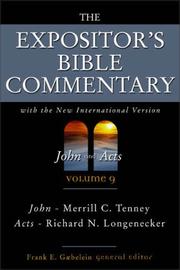
Volume 9 (John-Acts)//Τόμος 9 (Ιωάννης-Πράξεις), Zondervan, 1981,p./σ. 29.
RHG, p. 767-769:


Archibald T. Robertson,
A grammar of the Greek New Testament
in the light of historical research
[Γραμματική της Ελληνικής Καινής Διαθήκης
στο φως της ιστορικής έρευνας] (RHG),
New York Hodder & Stoughton 1914.
[English/Αγγλικά, PDF]
A grammar of the Greek New Testament
in the light of historical research
[Γραμματική της Ελληνικής Καινής Διαθήκης
στο φως της ιστορικής έρευνας] (RHG),
New York Hodder & Stoughton 1914.
[English/Αγγλικά, PDF]
Tuesday, September 20, 2011
An erroneous phrasing
of Colwell's rule
applied on Joh 1:1
by S. Kubo & W. Specht /
Μια εσφαλμένη διατύπωση
του κανόνα του Colwell
εφαρμοζόμενη στο Ιωα 1:1
από τους S. Kubo & W. Specht
of Colwell's rule
applied on Joh 1:1
by S. Kubo & W. Specht /
Μια εσφαλμένη διατύπωση
του κανόνα του Colwell
εφαρμοζόμενη στο Ιωα 1:1
από τους S. Kubo & W. Specht
 |
| S. Kubo & W. Specht, So Many Versions? Twentieth-Century English Versions of the Bible (revised & enlarged ed.), (Τόσες Πολλές Μεταφράσεις; Αγγλικές Μεταφράσεις της Αγίας Γραφής του Εικοστού Αιώνα (αναθεωρημένη & επαυξημένη έκδ.) ) Zondervan, 1983 (p. 99). |

Εντούτοις, καθώς σε αυτό το εδάφιο στα Ελληνικά η λέξη θεός είναι κατηγορηματικό ουσιαστικό και προηγείται του ρήματος και του υποκειμένου, είναι [συνεπώς] οριστική, καθώς το οριστικό κατηγορηματικό ουσιαστικό όταν προηγείται του ρήματος ποτέ δεν παίρνει άρθρο στα Ελληνικά.
Saturday, September 10, 2011
Colwell's rule on Joh 1:1 /
Ο κανόνας του Colwell στο Ιωα 1:1
Ο κανόνας του Colwell στο Ιωα 1:1

Το εναρκτήριο εδάφιο του Ευαγγελίου του Ιωάννη περιέχει ένα από τα πολλά κείμενα στα οποία αυτός ο κανόνας υποδεικνύει τη μετάφραση του κατηγορήματος ως οριστικού ουσιαστικού. Η φράση «Καὶ Θεὸς ἦν ὁ λόγος» φαίνεται πιο κοντά στο «Και ο Λόγος ήταν Θεός» παρά στο «Και ο Λόγος ήταν θεϊκός» όταν εξετάζεται αναφορικά με αυτόν τον κανόνα. Η απουσία του άρθρου δεν καθιστά το κατηγόρημα αόριστο ή ποιοτικό όταν προηγείται του ρήματος· είναι αόριστο σε αυτή τη θέση μόνο όταν το απαιτεί το περικείμενο. Το περικείμενο δεν εγείρει τέτοια απαίτηση στο Ευαγγέλιο του Ιωάννη, διότι η δήλωση αυτή δεν μπορεί να θεωρηθεί ως ξένη στον πρόλογο του ευαγγελίου το οποίο αποκορυφώνεται με την ομολογία του Θωμά.
* Ernst Cadman Colwell,
"A Definite Rule for the Use of the Article in the Greek New Testament"
[Συγκεκριμένος Κανόνας για τη Χρήση του Άρθρου στην Ελληνική Καινή Διαθήκη] *,
Journal of Biblical Literature, Vol./Τόμ. 52, No./Αρ. 1, Apr./Απρ., 1933,
pp./σσ. 12-21
Friday, June 11, 2010
Moulton & Milligan:
The vocabulary of the Greek Testament illustrated from the papyri and other non-literary sources /
Το λεξιλόγιο της Ελληνικής Διαθήκης όπως απεικονίζεται μέσω των παπύρων και άλλων μη γραμματειακών πηγών

The vocabulary of the Greek Testament illustrated from the papyri and other non-literary sources
[Το λεξιλόγιο της Ελληνικής Διαθήκης όπως απεικονίζεται μέσω των παπύρων και άλλων μη γραμματειακών πηγών]
(1914)
[English/Αγγλικά PDF]
Το πλήθος των λέξεων στην Καινή Διαθήκη /
The number of words in the New Testament
A careful calculation shows that the total number of words in the New Testament, excluding all proper names and their derivatives, is 4829. This contains the following separate elements :
- There are about 300 words from later Greek [Post-Aristotelian secular Greek] in the N.T.
- There are about 36 words from Hebrew in the N.T.
- There are about 24 words from Latin in the N.T.
- There are about 2 words from Foreign languages in the N.T.
- There are about 580 Biblical words, i.e. words only found in the LXX. and N.T.
Ένας προσεκτικός υπολογισμός δείχνει ότι ο συνολικός αριθμός των λέξεων στην Καινή Διαθήκη, εξαιρουμένων όλων των κύριων ονομάτων και των παραγώγων τους, είναι 4829. Σε αυτές περιλαμβάνονται τα εξής ξεχωριστά στοιχεία:
- Υπάρχουν περίπου 300 λέξεις από την ύστερη Ελληνική [μεταριστοτελική κοινή Ελληνική] στην Κ.Δ.
- Υπάρχουν περίπου 36 λέξεις from Hebrew στην Κ.Δ.
- Υπάρχουν περίπου 24 λέξεις from Latin στην Κ.Δ.
- Υπάρχουν περίπου 2 λέξεις from Foreign languages στην Κ.Δ.
- Υπάρχουν περίπου 580 Βιβλικές λέξεις, δηλ. λέξεις που εμφανίζονται μόνο στην Ο' και την Κ.Δ.
* Harry Angus Alexander Kennedy,
Sources of New Testament Greek; or, The influence of the Septuagint on the vocabulary of the New Testament
[Πηγές της Ελληνικής της Καινής Διαθήκης, ή, Η επίδραση της Ο' στο λεξιλόγιο της Καινής Διαθήκης],
T. & T. Clark, 1895,
p./σ. 62.
[English/Αγγλικά PDF]
Harry
Angus Alexander Kennedy was born in Dornoch, Sutherland in 1866. He
was a minister in the town of Callander, Scotland for eight years after
studying theology at the University of Edinburgh. He went on to lecture
at several universities before returning to Edinburgh to take up the
chair of New Testament language and literature at New College. He
published a number of critical theological books before his death in
1934.
Friday, December 11, 2009
Μανόλης Τριανταφυλλίδης: Η ελληνική γλώσσα & η καταστροφή της φυλής και της Εκκλησίας
* Μανόλης Τριανταφυλλίδης, Τα Ευαγγέλια και ο Αττικισμός, 1913.
Subscribe to:
Posts (Atom)