.

Friday, September 23, 2011

Ἐγὼ εἰμί τι;
Ο Ιησούς & ο τυφλός ζητιάνος
& οι φράσεις χωρίς κατηγόρημα στην ονομαστική /

Egō eimi ("I am") what?
Jesus & the blind beggar
& the phrases without predicate nominative


 הֵשִׁיב לָהֶם יֵשׁוּעַ:
"אָמֵן אָמֵן אֲנִי אוֹמֵר לָכֶם,
בְּטֶרֶם הֱיוֹת אַבְרָהָם,
אֲנִי הוּא."

 Joh 8:58, Modern NT,
(The Bible Society in Israel, 1976)


Kenneth McKay,
A New Syntax of the Verb in New Testament Greek
An Aspectual Approach

(Studies in Biblical Greek, 1994)


Ο Ιησούς:
  • Ιωα 8:58: «εἶπεν αὐτοῖς ὁ Ἰησοῦς· Ἀμὴν ἀμὴν λέγω ὑμῖν, πρὶν Ἀβραὰμ γενέσθαι ἐγὼ εἰμί»,
    δηλ. «ἐγὼ εἰμί πρὶν Ἀβραὰμ γενέσθαι»
  • Ιωα 6:20:«ὁ δὲ λέγει αὐτοῖς· Ἐγώ εἰμι· μὴ φοβεῖσθε»,
    δηλ. «Ἐγώ εἰμι ὁ Ἰησοῦς· μὴ φοβεῖσθε»
  • Ιωα 8:24:«εἶπον οὖν ὑμῖν ὅτι ἀποθανεῖσθε ἐν ταῖς ἁμαρτίαις ὑμῶν· ἐὰν γὰρ μὴ πιστεύσητε ὅτι ἐγώ εἰμι, ἀποθανεῖσθε ἐν ταῖς ἁμαρτίαις ὑμῶν»,
    δηλ. «ὅτι ἐγώ ἐκ τῶν ἄνω εἰμι»
  • Ιωα 8:28:«εἶπεν οὖν αὐτοῖς ὁ Ἰησοῦς· Ὅταν ὑψώσητε τὸν υἱὸν τοῦ ἀνθρώπου, τότε γνώσεσθε ὅτι ἐγώ εἰμι, καὶ ἀπ' ἐμαυτοῦ ποιῶ οὐδέν, ἀλλὰ καθὼς ἐδίδαξέ με ὁ πατὴρ μου, ταῦτα λαλῶ»,
    δηλ. «τότε γνώσεσθε ὅτι ἐγώ εἰμι οὗτος, ὁ υἱὸς τοῦ ἀνθρώπου»
  • Ιωα 13:19:«ἀπ' ἄρτι λέγω ὑμῖν πρὸ τοῦ γενέσθαι, ἵνα ὅταν γένηται πιστεύσητε ὅτι ἐγώ εἰμι»,
    δηλ. «ἵνα ὅταν γένηται πιστεύσητε ὅτι ἐγώ εἰμι ὁ Κύριος καὶ ὁ Διδάσκαλος»
  • Ιωα 18:5:«ἀπεκρίθησαν αὐτῷ· Ἰησοῦν τὸν Ναζωραῖον. λέγει αὐτοῖς ὁ Ἰησοῦς· Ἐγώ εἰμι»,
    δηλ. «λέγει αὐτοῖς ὁ Ἰησοῦς· Ἐγώ εἰμι Ἰησοῦς ὁ Ναζωραῖος»
  • Ιωα 14:3:«καὶ ἐὰν πορευθῶ καὶ ἑτοιμάσω ὑμῖν τόπον, πάλιν ἔρχομαι καὶ παραλήψομαι ὑμᾶς πρὸς ἐμαυτόν, ἵνα ὅπου εἰμὶ ἐγὼ, καὶ ὑμεῖς ἦτε»,
    δηλ. «ἵνα ὅπου εἰμὶ ἐγὼ, καὶ ὑμεῖς ἐκεῖ ἦτε»


Ο τυφλός ζητιάνος:
  • Ιωα 9:9:
    «ἄλλοι ἔλεγον ὅτι οὗτός ἐστιν· ἄλλοι δὲ ὅτι ὅμοιος αὐτῷ ἐστιν. ἐκεῖνος ἔλεγεν ὅτι ἐγώ εἰμι»,
    δηλ. «ἐκεῖνος ἔλεγεν ὅτι ἐγώ εἰμι ὁ καθήμενος καὶ προσαιτῶν τυφλὸς»

The usage of the title "God"
for Jesus
in the New Testament /

Η χρήση του τίτλου «Θεός»
για τον Ιησού
στην Καινή Διαθήκη


Is this usage [i.e., of calling Jesus God] a Hellenistic contribution to the theological vocabulary of Christianity? Since we have no evidence that Jesus was called God in the Jerusalem or Palestinian communities of the first two decades of Christianity, the prima-facie evidence might suggest Hellenistic origins. This is supported by the fact that in two New Testament passages "God" is intimately joined to "Saviour" as a title for Jesus (Tit 2:13; 2 Pt 1:1), and "Saviour" is to some extent a Hellenistic title. However, there is other evidence to suggest that the usage had its roots in the Old Testament; and so, if the usage is non-Palestinian, it may have arisen among converts from Diaspora Judaism. As we saw, Heb 1:8-9 is a citation of Ps 45. The confession of Thomas in Jn 20:28 echoes an Old Testament formula (although, as we pointed out, one cannot exclude the possibility of an anti-Domitian apologetic). The background for Jn 1:1 is the opening of Genesis, and the concept of the Word reflects Old Testament themes of the creative word of God and personified Wisdom. Perhaps the best we can do from the state of the evidence is to leave open the question of the background of the custom of calling Jesus God.

The slow development of the usage of the title "God" for Jesus requires explanation. Not only is there the factor that Jesus is not called God in the earlier strata of New Testament material, but also there are passages, cited in the first series of texts above, that by implication reserve the title "God" for the Father. Moreover, even in the New Testament works that speak of Jesus as God, there are also passages that seem to militate against such a usage—a study of these texts will show that this is true of the Pastorals and the Johannine literature. The most plausible explanation is that in the earliest stage of Christianity the Old Testament heritage dominated the use of the title "God"; hence, "God" was a title too narrow to be applied to Jesus. It referred strictly to the Father of Jesus, to the God to whom he prayed. Gradually, (in the 50's and 60's?) in the development of Christian thought "God" was understood to be a broader term. It was seen that God had revealed so much of Himself in Jesus that "God" had to be able to include both Father and Son. The late Pauline works seem to fall precisely in this stage of development. If Rom 9:5 calls Jesus God, it is an isolated instance within the larger corpus of the main Pauline works, which think of Jesus as Lord, and of the Father as God. By the time of the Pastorals, however, Jesus is well known as God-and-Saviour. The Johannine works come from the final years of the century, when the usage is common. Yet, some of the material that has gone into the fourth Gospel is traditional material about Jesus which has been handed down from a much earlier period. Therefore, there are passages in John (14:28; 17:3; 20:17) that reflect an earlier mentality. We can only sketch the broad lines of such a development, but we can be reasonably confident that these lines are true.


* Raymond E. Brown,
“Does the New Testament Call Jesus God?”
[«Αποκαλεί η Καινή Διαθήκη τον Ιησού Θεό;»]
Theological Studies, 26 (1965),
pp./σσ. 569, 570.
[English/Αγγλικά, PDF]


*    =    *

Thursday, September 22, 2011

Ονόματα του Θεού
& η ουσία του Θεού
κατά τον Αθανάσιο Αλεξανδρείας /

Names of God
& the essence of God
according to Athanasius of Alexandria


34. Ἐπεὶ (καλὸν γὰρ αὐτοὺς ἐρέσθαι τοῦτο) εἴπατε, τίνες εἰσὶν οὓς προφασίζεσθε σκανδαλίζεσθαι καὶ θορυβεῖσθαι ἐπὶ τούτοις [ενν. τοῖς ῥήμασι]; Τῶν μὲν γὰρ εὐσεβούντων εἰς τὸν Χριστὸν οὐδείς, αὐτὰ γὰρ πρεσβεύουσι καὶ ἐκδικοῦσιν. Εἰ δὲ τῶν Ἀρειανῶν εἰσιν οἱ τοῦτο πάσχοντες, τί θαυμαστόν, εἰ ἐπὶ τοῖς ἀναιροῦσιν αὐτῶν τὴν αἵρεσιν ἄχθονται; Οὐ γάρ ἐστιν αὐτοῖς σκάνδαλον τὰ ῥήματα, ἀλλὰ λύπη ὅτι στηλογραφία κατὰ τῆς ἀσεβείας αὐτῶν ἐστιν. Οὐκοῦν παύσασθε γογγύζοντες κατὰ τῶν πατέρων καὶ τοιαῦτα προφασιζόμενοι, ἐπεὶ ὥρα ὑμᾶς καταμέμφεσθαι καὶ τῷ κυριακῷ σταυρῷ ὅτι «Ἰουδαίοις μὲν σκάνδαλόν ἐστιν, ἔθνεσι δὲ μωρία», ὡς εἶπεν ὁ ἀπόστολος. Ἀλλ’ ὥσπερ οὐ φαῦλος ὁ σταυρός· ἡμῖν γὰρ τοῖς πιστεύουσίν ἐστι «Χριστὸς θεοῦ δύναμις καὶ θεοῦ σοφία», κἂν Ἰουδαῖοι μαίνωνται, οὕτως οὐ φαῦλα τὰ τῶν πατέρων ῥήματα, ἀλλ’ ὠφέλιμα τοῖς γνησίως ἐντυγχάνουσι καὶ ἀναιρετικὰ πάσης ἀσεβείας ἐστί, κἂν οἱ Ἀρειανοὶ πολλάκις διαρρηγνύωνται κατακρινόμενοι παρ’ αὐτῶν.

Ὅτε τοίνυν ἡ περὶ τῶν σκανδαλιζομένων ἀπίθανος δέδεικται πρόφασις, εἴπατε λοιπὸν ὑμεῖς, πῶς οὐκ ἀρέσκεσθε τῷ ἐκ τῆς οὐσίας ὀνόματι; Τοῦτο γὰρ πρῶτον ἀναγκαῖον ἀνακρῖναι, καίτοι καὶ ὑμεῖς ἐγράψατε ἐκ τοῦ πατρὸς γεγεννῆσθαι τὸν υἱόν. Εἰ μὲν οὖν τὸν πατέρα ὀνομάζοντες ἢ τὸ θεὸς ὄνομα λέγοντες οὐκ οὐσίαν σημαίνετε οὐδὲ αὐτὸν τὸν ὄντα ὅπερ ἐστὶ κατ’ οὐσίαν νοεῖτε, ἀλλ’ ἕτερόν τι περὶ αὐτὸν ἢ τὸ γοῦν χεῖρον, ἵνα μὴ παρ’ ἐμοῦ λέγηται, διὰ τούτων σημαίνετε, ἔδει μὴ γράφειν ὑμᾶς ‘ἐκ τοῦ πατρὸς’ τὸν υἱόν, ἀλλ’ ‘ἐκ τῶν περὶ αὐτὸν ἢ τῶν ἐν αὐτῷ’, ἵνα φεύγοντες λέγειν ἀληθῶς πατέρα τὸν θεὸν σύνθετον δὲ τὸν ἁπλοῦν καὶ σωματικῶς αὐτὸν ἐπινοοῦντες καινοτέρας βλασφημίας ἐφευρεταὶ γένησθε. Οὕτω δὲ νοοῦντες ἐξ ἀνάγκης καὶ τὸν λόγον καὶ τὸ υἱὸς οὐκ οὐσίαν, ἀλλ’ ὄνομα μόνον νομίζετε καὶ λοιπὸν ἄχρις ὀνομάτων ἔχετε τὴν ἑαυτῶν φαντασίαν· καὶ ἃ λέγετε οὐκ εἶναι πιστεύετε, ἀλλὰ μὴ εἶναι φρονεῖτε.

35. Τοῦτο δὲ Σαδδουκαίων μᾶλλον καὶ τῶν παρ’ Ἕλλησι λεχθέντων ἀθέων ἐστὶ τὸ τόλμημα. Διὸ οὐδὲ τὴν κτίσιν αὐτοῦ τοῦ ὄντος θεοῦ δημιούργημα εἶναι φήσετε, εἴ γε τὸ πατὴρ καὶ τὸ θεὸς οὐκ αὐτὴν τὴν τοῦ ὄντος οὐσίαν σημαίνουσιν, ἀλλ’ ἕτερόν τι ὅπερ ὑμεῖς ἀναπλάττετε. Ἀλλὰ τοῦτο δυσσεβὲς καὶ λίαν ἀπρεπές ἐστι καὶ μόνον ἐνθυμεῖσθαι. Εἰ δὲ ὅταν ἀκούωμεν «ἐγώ εἰμι ὁ ὢν» καὶ «ἐν ἀρχῇ ἐποίησεν ὁ θεὸς τὸν οὐρανὸν καὶ τὴν γῆν» καὶ «ἄκουε Ἰσραήλ, κύριος ὁ θεός σου κύριος εἷς ἐστι» καὶ «τάδε λέγει κύριος παντοκράτωρ», οὐχ ἕτερόν τι ἀλλ’ αὐτὴν τὴν ἁπλῆν καὶ μακαρίαν καὶ ἀκατάληπτον τοῦ ὄντος οὐσίαν νοοῦμεν, κἂν γὰρ ἀδυνάτως ἔχωμεν καταλαβεῖν, ὅ τι ποτέ ἐστιν, ἀλλ’ ἀκούοντες τὸ πατὴρ καὶ τὸ θεὸς καὶ τὸ παντοκράτωρ οὐχ ἕτερόν τι, ἀλλ’ αὐτὴν τὴν τοῦ ὄντος οὐσίαν σημαινομένην νοοῦμεν. Εἰρήκατε δὲ καὶ ὑμεῖς ‘ἐκ τοῦ θεοῦ τὸν υἱόν’, δηλονότι ‘ἐκ τῆς οὐσίας τοῦ πατρὸς’ αὐτὸν εἰρήκατε. Ἐπειδὴ δὲ καὶ πρὸ ὑμῶν λέγουσιν αἱ γραφαὶ τὸν κύριον υἱὸν τοῦ πατρός, καὶ πρὸ αὐτῶν αὐτὸς ὁ πατὴρ εἴρηκεν «οὗτός ἐστιν ὁ υἱός μου ὁ ἀγαπητός», υἱὸς δὲ οὐδὲν ἕτερόν ἐστιν ἢ τὸ ἐκ τοῦ πατρὸς γέννημα· πῶς οὐ φαίνονται καλῶς εἰρηκότες οἱ πατέρες ἐκ τῆς οὐσίας τοῦ πατρὸς τὸν υἱὸν λογισάμενοι ταυτὸν εἶναι τὸ εἰπεῖν ὀρθῶς ἐκ τοῦ θεοῦ καὶ τὸ εἰπεῖν ἐκ τῆς οὐσίας; Τὰ μὲν γὰρ κτίσματα πάντα, κἂν ἐκ τοῦ θεοῦ λέγηται γεγενῆσθαι, ἀλλ’ οὐχ ὡς ὁ υἱός εἰσιν ἐκ τοῦ θεοῦ· οὐ γὰρ γεννήματα, ἀλλὰ ποιήματά εἰσι τὴν φύσιν. «Ἐν ἀρχῇ γοῦν ὁ θεὸς» οὐκ ‘ἐγέννησεν’ ἀλλ’ «ἐποίησε τὸν οὐρανὸν καὶ τὴν γῆν καὶ πάντα τὰ ἐν αὐτοῖς» εἴρηται. Καὶ οὐχ ‘ὁ γεννῶν’ ἀλλ’ «ὁ ποιῶν τοὺς ἀγγέλους αὐτοῦ πνεύματα καὶ τοὺς λειτουργοὺς αὐτοῦ πυρὸς φλόγα». Εἰ δὲ ὁ ἀπόστολος εἴρηκεν· «εἷς θεός, ἐξ οὗ τὰ πάντα», ἀλλ’ οὐ τὸν υἱὸν συναριθμῶν τοῖς πᾶσι τοῦτό φησιν. Ἀλλ’ ἐπειδὴ τῶν Ἑλλήνων οἱ μὲν νομίζουσι κατὰ τύχην καὶ ἐξ ἀτόμων συμπλοκῆς καὶ ὁμοιομερῶς ἐκ ταυτομάτου συνεστάναι τὴν κτίσιν καὶ μὴ ἔχειν τὸν αἴτιον, οἱ δὲ ἐξ αἰτίου μὲν αὐτὴν γεγονέναι, οὐ μὴν καὶ διὰ τοῦ λόγου, τῶν δὲ αἱρετικῶν ἕκαστος ὡς ἠθέλησεν ἀνεπλάσατο καὶ περὶ τῆς κτίσεως μυθολογεῖ, τούτου χάριν ὁ ἀπόστολος ἀναγκαίως συνείρηκε τὸ ἐκ τοῦ θεοῦ· ἵνα καὶ τὸν ποιητὴν γνωρίσῃ καὶ τὴν ἐκ τοῦ βουλήματος αὐτοῦ τῶν πάντων δημιουργίαν ἀποδείξῃ, εὐθὺς δ’ οὖν ἐπιφέρει «καὶ εἷς κύριος Ἰησοῦς Χριστός, δι’ οὗ τὰ πάντα», ἵνα τῶν πάντων ἐξάρῃ τὸν υἱόν. Τὰ γὰρ ‘ἐκ τοῦ θεοῦ’ λεγόμενα πάντα ταῦτα δι’ υἱοῦ γέγονε καὶ οὐχ οἷόν τε ὁμοίαν ἔχειν τὰ δημιουργούμενα τῷ δημιουργοῦντι τὴν γένεσιν, καὶ ἵνα τὸ ‘ἐκ τοῦ θεοῦ’ λεγόμενον ὧδε ἄλλως ἐπὶ τῶν ποιημάτων αὐτὸ σημαίνεσθαι διδάξῃ, ἢ ὡς ἐπὶ υἱοῦ λεγόμενον νοεῖται. ὁ μὲν γὰρ γέννημα, τὰ δὲ ποιήματά ἐστι. Διὸ καὶ ὁ μὲν υἱὸς ἴδιον τῆς οὐσίας γέννημα, τὰ δὲ τοῦ βουλήματος δημιουργήματα.


34. For answer, what is much to the purpose, Who are they whom you pretend are offended and troubled at these terms? Of those who are religious towards Christ not one; on the contrary they defend and maintain them. But if they are Arians who thus feel, what wonder they should be distressed at words which destroy their heresy? For it is not the terms which offend them, but the proscription of their irreligion which afflicts them. Therefore let us have no more murmuring against the Fathers, nor pretence of this kind; or next you will be making complaints of the Lord's Cross, because it is 'to Jews an offense and to Gentiles foolishness,' as said the Apostle (1 Corinthians 1:23-24). But as the Cross is not faulty, for to us who believe it is 'Christ the power of God and the wisdom of God,' though Jews rave, so neither are the terms of the Fathers faulty, but profitable to those who honestly read, and subversive of all irreligion, though the Arians so often burst with rage as being condemned by them.

Since then the pretence that persons are offended does not hold, tell us yourselves, why is it you are not pleased with the phrase 'of the essence' (this must first be enquired about), when you yourselves have written that the Son is generated from the Father? If when you name the Father, or use the word 'God,' you do not signify essence, or understand Him according to essence, who is that He is, but signify something else about Him, not to say inferior, then you should not have written that the Son was from the Father, but from what is about Him or in Him; and so, shrinking from saying that God is truly Father, and making Him compound who is simple, in a material way, you will be authors of a newer blasphemy. And, with such ideas, you must needs consider the Word, and the title 'Son,' not as an essence but as a name only, and in consequence hold your own views as far as names only, and be talking, not of what you believe to exist, but of what you think not to exist.

35.
But this is more like the crime of the Sadducees, and of those among the Greeks who had the name of Atheists. It follows that you will deny that even creation is the handy-work of God Himself that is; at least, if 'Father' and 'God' do not signify the very essence of Him that is, but something else, which you imagine: which is irreligious, and most shocking even to think of. But if, when we hear it said, 'I am that I am,' and, 'In the beginning God created the heaven and the earth,' and, 'Hear, O Israel, the Lord our God is one Lord,' and, 'Thus says the Lord Almighty'
(Exodus 3:14; Genesis 1:1; Deuteronomy 6:4), we understand nothing else than the very simple, and blessed, and incomprehensible essence itself of Him that is, (for though we be unable to master what He is, yet hearing 'Father,' and 'God,' and 'Almighty,' we understand nothing else to be meant than the very essence of Him that is); and if you too have said, that the Son is from God, it follows that you have said that He is from the 'essence' of the Father. And since the Scriptures precede you which say, that the Lord is Son of the Father, and the Father Himself precedes them, who says, 'This is My beloved Son?' (Matthew 3:17), and a son is no other than the offspring from his father, is it not evident that the Fathers have suitably said that the Son is from the Father's essence? Considering that it is all one to say rightly 'from God,' and to say 'from the essence.' For all the creatures, though they be said to have come into being from God, yet are not from God as the Son is; for they are not offsprings in their nature, but works. Thus, it is said, 'in the beginning God,' not 'generated,' but 'made the heaven and the earth, and all that is in them' (Genesis 1:1). And not, 'who generates,' but 'who makes His angels spirits, and His ministers a flame of fire' (Psalm 104:4). And though the Apostle has said, 'One God, from whom all things' (1 Corinthians 8:6), yet he says not this, as reckoning the Son with other things; but, whereas some of the Greeks consider that the creation was held together by chance, and from the combination of atoms; and spontaneously from elements of similar structure, and has no cause; and others consider that it came from a cause, but not through the Word; and each heretic has imagined things at his will, and tells his fables about the creation; on this account the Apostle was obliged to introduce 'from God,' that he might thereby certify the Maker, and show that the universe was framed at His will. And accordingly he straightway proceeds: 'And one Lord Jesus Christ, through whom all things' (1 Corinthians 8:6), by way of excepting the Son from that 'all' (for what is called God's work, is all done through the Son; and it is not possible that the things framed should have one origin with their Framer), and by way of teaching that the phrase 'of God,' which occurs in the passage, has a different sense in the case of the works, from what it bears when used of the Son; for He is offspring, and they are works: and therefore He, the Son, is the proper offspring of His essence, but they are the handywork of his will.


* Αθανάσιος Αλεξανδρείας / Athanasius of Alexandria,
Ἐπιστολὴ περὶ τῶν γενομένων ἐν τῇ Ἀριμίνῳ τῆς Ἰταλίας καὶ ἐν Σελευκείᾳ τῆς Ἰσαυρίας συνόδων / De synodis Arimini in Italia et Seleuciae in Isauria 34, 35.
[PG 26, 753]
[Ελληνικά-Αγγλικά/Greek-English, PDF]


Κ. Ζάρρας & D. Daube:

Το «σημείο» του Ιεζ 9:4 /

The "mark" of Eze 9:4


Παλαιοεβραϊκό τάου (ταυ) /
Paleo Hebrew taw


Καὶ εἶπε πρὸς αὐτόν·
δίελθε μέσην τὴν Ἱερουσαλὴμ
καὶ δὸς τὸ σημεῖον ἐπὶ τὰ μέτωπα τῶν ἀνδρῶν
τῶν καταστεναζόντων καὶ τῶν κατωδυνωμένων
ἐπὶ πάσαις ταῖς ἀνομίαις ταῖς γινομέναις ἐν μέσῳ αὐτῆς.

– Ιεζεκιήλ 9:4, Ο'.


And he said to him,
"Pass through the middle of Ierousalem,
and give the mark upon the foreheads of the men
who sigh and have been afflicted
over all the lawless acts that happen in their midst."

– Ezekiel 9:4, NETS.


«Η Ιουδαϊκή μυστική παράδοση του Θρόνου»,
Αριστοτέλειο Πανεπιστήμιο Θεσσαλονίκης (ΑΠΘ),
Σχολή Θεολογική, Τμήμα Θεολογίας, 1998,
σ. 49.


* David Daube,
The New Testament and Rabbinic Judaism,
University of London, Athlone Press, 1956 /
Ayer Publishing, 1973,
pp. 401-403.

Η «απόλυτη θεϊκότητα του Λόγου»
& η Γραμματική /

The "absolute deity of the Word"
& the Grammar


The third statement, "The Word was God," is especially significant. This is a clear statement of deity inasmuch as the noun θεός (theos, "God") is anarthrous; that is, it lacks the article. Much confusion has spawned over this point of Gr. grammar. Robertson et al. have aptly demonstrated that the lack of the article in the predicate is intentional so that the subject can be distinguished. In other words, in the phrase θεὸς ἦν ὁ λόγος (theos en ho logos, "God was the Word"), were it not for the article ὁ (ho) before the word λόγος (logos), the subject of the phrase would be indeterminate. But the presence of the article shows that it is the "Word" that is the subject. The fact that theos is a predicate shows that it is describing the nature of the Word; he is of the same nature and essence as the noun in the predicate; that is, the Word is divine (RHG, p. 767).

E.C. Colwell says that "a predicate nominative which precedes the verb cannot be translated as an indefinite or 'qualitative' noun solely because of the absence of the article; if the context suggests that the predicate is definite, it should be translated as a definite noun in spite of the absence of the article. In the case of a predicate noun which follows the verb the reverse is true; the absence of the article in this position is a much more reliable indication that the noun is indefinite" ("A Definite Rule for the Use of the Article in the Greek New Testament," JBL 52 [1933]: 20-21).

To say that the absence of the article bespeaks of the nonabsolute deity of the Word is sheer folly. There are many places in this Gospel where the anarthrous theos appears (e.g., 1:6, 12, 13, 18), and not once is the implication that this is referring to just "a god."


Η τρίτη δήλωση, «Ο Λόγος ήταν Θεός», είναι ιδιαίτερα σημαντική. Αυτή αποτελεί σαφή δήλωση της θεϊκότητας αφού το ουσιαστικό θεός είναι άναρθρο· δηλαδή, του λείπει το άρθρο. Πολύ σύγχυση προκλήθηκε για αυτό το σημείο της ελληνικής γραμματικής. Οι Robertson et al. επέδειξαν ορθά ότι η έλλειψη του άρθρου στο κατηγόρημα είναι εσκεμμένη ουτωσώστε το υποκείμενο να μπορεί να διακρίνεται. Με άλλα λόγια, στη φράση θεὸς ἦν ὁ λόγος («Θεός ήταν ο Λόγος»), αν δεν υπήρχε το άρθρο ὁ πριν τη λέξη λόγος, το υποκείμενο της φράσης θα ήταν απροσδιόριστο. Αλλά η παρουσία του άρθρο δείχνει ότι ο «Λόγος» είναι το υποκείμενο. Το γεγονός ότι η λέξη θεός είναι κατηγόρημα δείχνει ότι περιγράφει τη φύση του Λόγου· ότι είναι από την ίδια φύση και ουσία όπως το ουσιαστικό στο κατηγόρημα· δηλαδή, ότι ο Λόγος είναι θεϊκός. (RHG, p. 767)

Ο E.C. Colwell αναφέρει ότι «το κατηγόρημα στην ονομαστική το οποίο προηγείται του ρήματος δεν μπορεί να μεταφραστεί ως αόριστο ή "ποιοτικό" ουσιαστικά μόνο εξαιτίας της απουσίας του άρθρου· αν το περικείμενο υποδεικνύει ότι το κατηγόρημα είναι οριστικό, θα πρέπει να μεταφραστεί ως οριστικό ουσιαστικό παρά την απουσία του άρθρου. Στην περίπτωση που το κατηγορηματικό ουσιαστικό ακολουθεί το ρήμα ισχύει το αντίστροφο· η απουσία του άρθρου σε αυτή τη θέση είναι πολύ πιο αξιόπιστη ένδειξη ότι το ουσιαστικό είναι αόριστο». ("A Definite Rule for the Use of the Article in the Greek New Testament" [«Συγκεκριμένος Κανόνας για τη Χρήση του Άρθρου στην Ελληνική Καινή Διαθήκη»], JBL 52 [1933]: 20-21).

Το να πούμε ότι η απουσία του άρθρου υποδηλώνει τη μη απόλυτη θεϊκότητα του Λόγου είναι καθαρή παράνοια. Υπάρχουν πολλά σημεία σε αυτό το Ευαγγέλιο στα οποία η άναρθρη λέξη θεός εμφανίζεται (π.χ. 1:6, 12, 13, 18) και ούτε μία φορά δεν υπάρχει η υπόνοια ότι αναφέρεται απλώς σε «θεό».


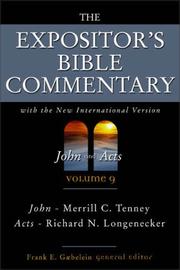
* Frank Ely Gaebelein (g. ed.),
Merrill C. Tenney (John's ed.),
Volume 9 (John-Acts)//Τόμος 9 (Ιωάννης-Πράξεις), Zondervan, 1981,
p./σ. 29.


 RHG, p. 767-769:


Archibald T. Robertson,
A grammar of the Greek New Testament
in the light of historical research

[Γραμματική της Ελληνικής Καινής Διαθήκης
στο φως της ιστορικής έρευνας
] (RHG),
New York Hodder & Stoughton 1914.

[English/Αγγλικά, PDF]


Wednesday, September 21, 2011

Καΐρης & Μακράκης:
Η σύγχρονη
χριστεπώνυμη διώξη της αίρεσης
κατά τον Κ. Σιαμάκη


Θὰ μάθουν [καὶ οἱ δικοί μας Χριστιανοὶ] πρῶτα πρῶτα ὅτι εἶναι μὲν δική τους ἡ Χριστιανικὴ πίστι, ἀλλ̉ ὄχι καὶ τὸ ἔδαφος τῆς Ἑλλάδος. ὅτι εἶναι καὶ τῶν ἄλλων τὸ ἔδαφος καὶ τῆς ὑπαίθρου καὶ τῶν πλατειῶν καὶ τῶν δρόμων καὶ τῶν νεκροταφείων στὸ ποσοστὸ φυσικὰ ποὺ τοὺς ἀναλογεῖ. κι ὅτι δὲν μποροῦν, δὲν τοὺς ἄφησε τέτοια παραγγελία ὁ Χριστός, νὰ καταλαμβάνουν μὲ τὶς πομπὲς καὶ τὶς λιτανεῖες των τὶς προκυμαῖες, τὶς πλατεῖες, καὶ τοὺς δρόμους, καὶ νὰ σταματοῦν τὴν κυκλοφορία, οὔτε νὰ ἐνοχλοῦν μὲς στ̉ ἄγρια μεσάνυχτα ἢ καὶ τὸ πρωῒ πρωῒ τοὺς ἄλλους μὲ τοὺς ἐπιταφίους των, μὲ τὶς καμπανοκρουσίες των, μὲ τὰ βλάσφημα βεγγαλικά τους καὶ τὶς ἐπικίνδυνες μπαλωθιές των, μὲ τὰ μεγάφωνά τους˙ δὲν μποροῦν νὰ ὑποχρεώνουν τὸ κράτος νὰ θάβῃ τὸν ὁπωσδήποτε αἱρετικὸ καὶ παλαβὸ Καΐρη ὄχι στὸ νεκροταφεῖο ἀλλὰ στὴν αὐλὴ τῆς φυλακῆς, ὅπου τὸν φυλάκισε ἡ ἐκκλησία παρὰ τὴ σεμνὴ κωλυσιεργία τοῦ ἁμαρτωλοῦ κράτους καὶ παρὰ τὴ διαμαρτυρία τοῦ συνηγόρου του Σαριπόλου ὅτι εἶναι γέρος κι ἄρρωστος καὶ μέσα στὸ καταχείμωνο, στὴν κρύα φυλακή, θὰ πεθάνῃ σ̉ ἕνα μῆνα, πρᾶγμα ποὺ συνέβη κιόλας. δὲν ἔπρεπε ἡ ἐκκλησία ν̉ ἀπαγορεύσῃ ἀκόμη καὶ στὸ γέρο ἀδερφό του νὰ παραστῇ στὴν ταφή του στὴν αὐλὴ τῆς φυλακῆς. κι ὅταν δικαίως καταδίκασε ὡς αἱρετικὸ τὸ Μακράκη, δὲν ἔπρεπε νὰ τοῦ κατάσχῃ ἡ ἐκκλησία καὶ τὴν περιουσία του, τόσο τὴν προσωπική του ὅσο καὶ τὴν τοῦ σωματείου του, οὔτε νὰ τὸν βάλῃ αὐτὸν τρεῖς μῆνες στὴ φυλακή, καὶ τοὺς ὀπαδούς του τρία χρόνια στὴν ἐξορία καὶ σὲ κράτησι μέσα σὲ μοναστήρια.


philologus.gr, 17 Σεπτεμβρίου 2011.


Βλέπε επίσης:

* Λέων Μπραγκ,
«Το μέλλον του Ελληνισμού στον ιδεολογικό κόσμο του Μακράκη»,
Εθνικό και Καποδιστριακό Πανεπιστήμιο Αθηνών (ΕΚΠΑ), Σχολή Θεολογική, Τμήμα Θεολογίας, 1992.


*

Tuesday, September 20, 2011

Is it a real problem
the non-uniformity
of Hebrew to Greek/Latin rendering
of Biblical proper names? /

Αποτελεί πραγματικό πρόβλημα
η ανομοιόμορφη απόδοση
από τα Εβραϊκά στα Ελληνικά/Λατινικά
των Βιβλικών κύριων ονομάτων;


The relative uniformity of biblical proper names in the Hebrew Bible is remarkable in view of the excessive variety of their forms in various ancient versions. Where does this variety come from? This question is particularly urgent for the whole history of the transmission  of Greek and Latin forms of biblical proper names, as Greek and Latin much more strongly shaped European cultural and linguistic traditions than did Hebrew and Aramaic. Any evaluation of the forms of biblical proper names in ancient translation languages raises the question of the relationship between the respective original forms and the way they were transcribed or translated into other languages. The uniformity or the variety of the forms of biblical proper names are both attributable to several factors in the original and in translations: uniform prototypes, different linguistic backgrounds, the existence of different dialects, phonetic variation in the course of transmission, multiple textual traditions, the more or less extensive use of the names in communities constituting living traditions, active and intentional alterations, different Bible translators, and different approaches among the original translators.

We may rightly speak of the relative individuality of history and tradition of each version, although the individual forms of biblical proper names are only to a certain extent a result of historical circumstances and extant traditions. More important seems to be the individuality of phonetic systems of the most influential ancient languages in the transmission of the biblical texts, i.e., of Hebrew/Aramaic, Greek, and Latin. On the one hand, the Greco-Latin alphabets are inadequate for rendering some Semitic sounds, insofar as these alphabets do not have exact equivalents for Semitic gutturals or sibilants. On the other hand, the pre-Masoretic text of the Hebrew Bible caused translators many phonological problems, because originally it did not contain vowel sounds.

Concerning the incredible number of variant forms of biblical proper names, the situation is similar in the LXX. Orthography and phonetics in Hellenistic Greek and in late classical Latin are beset with the difficulty that consonants and especially vowels were subject to widespread changes. Between 330 BCE–200 CE there was no fixed orthography. This situation might be a much more important reason for the striking inconsistency in rendering the transliteration of biblical names. [...]

Since translators were free in their transliteration of biblical names, many alternative forms developed in the spelling of names. The basic phonetic relationship between Semitic languages on the one hand and non-Semitic languages, like Greek and Latin, on the other hand, is so complex that it was hardly possible to establish a unified tradition in writing the forms of biblical proper names within the Greek and Latin cultures. Since the Greek and Latin alphabets are inadequate for transliteration, authors of Greek and Latin Bibles were utter grammatical and cultural innovators. [...]

To conclude, it may be stated that the forms of biblical proper names are much more stable and consistent in the Hebrew Bible than in Greek, Latin and other ancient Bible translations. A similar extent of an inexhaustible wealth of variant pronunciation of the same proper names in Greek and Latin translations supports the conclusion that Greek and Latin translators and copyists were, in general, not fluent in Hebrew and thus did not have sufficient support in a living Hebrew phonetic context. This affects personal names of rare use to a far greater extent than geographical names, whose forms are expressed in the oral tradition by a larger circle of the population. Translators and copyists could not easily reach any uniform phonetic system in their work because of the consonantal Hebrew text, which itself allows variations in spelling the original name forms. Copyist errors are the secondary source of variant readings.

Η σχετική ομοιομορφία των βιβλικών κύριων ονομάτων στην Εβραϊκή Βίβλο είναι αξιοσημείωτη αν ληφθεί υπόψη η τεράστια ποικιλομορφία τους σε διάφορες αρχαίες μεταφράσεις. Από που προέρχεται αυτή η ποικιλία; Αυτή η ερώτηση είναι ιδιαίτερα επιτακτική για το σύνολο της ιστορίας της μεταβίβασης των ελληνικών και των λατινικών μορφών των βιβλικών κύριων ονομάτων, καθώς τα Ελληνικά και τα Λατινικά διαμόρφωσαν πολύ πιο έντονα την ευρωπαϊκή κουλτούρα και τις ευρωπαϊκές γλωσσικές παραδόσεις παρά τα Εβραϊκά και τα Αραμαϊκά. Οποιαδήποτε αξιολόγηση των μορφών των βιβλικών κύριων ονομάτων στις αρχαίες γλώσσες μετάφρασης εγείρει το ερώτημα της σχέσης ανάμεσα στις αντίστοιχες πρωτότυπες μορφές και στον τρόπο που μεταγράφηκαν ή μεταφράστηκαν σε άλλες γλώσσες. Η ομοιομορφία ή η ποικιλομορφία των βιβλικών κύριων ονομάτων μπορεί να αποδοθεί σε διάφορους παράγοντες σχετικούς με το πρωτότυπο και με τη μετάφραση: ομοιόμορφα πρωτότυπα, διαφορετικό γλωσσικό υπόβαθρο, η ύπαρξη διαφορετικών διαλέκτων, φωνητική ποικιλία στην πορεία της μεταβίβασης, πολλαπλές κειμενικές παραδόσεις, η κατά το μάλλον ή ήττον εκτενής χρήση των ονομάτων σε κοινότητες που αποτελούσαν ζωντανή παράδοση, ηθελημένες και εκ προθέσεως αλλοιώσεις, διαφορετικοί βιβλικοί μεταφραστές και διαφορετικές προσεγγίσεις μεταξύ των αρχικών μεταφραστών.

Μπορούμε ορθά να μιλήσουμε για τη σχετική ιδιαιτερότητα της ιστορίας και της παράδοσης κάθε μετάφρασης, μολονότι οι ιδιομορφίες των βιβλικών κύριων ονομάτων είναι μόνο μέχρις ενός σημείου αποτέλεσμα των ιστορικών περιστάσεων και των σωζώμενων παραδόσεων. Πιο σημαντική φαίνεται ότι είναι η ιδιαιτερότητα των φωνητικών συστημάτων των αρχαίων γλωσσών που είχαν τη μεγαλύτερη επιρροή στη μεταβίβαση των βιβλικών κειμένων, δηλ. των Εβραϊκών/Αραμαϊκών, των Ελληνικών και των Λατινικών. Από τη μία πλευρά, τα ελληνολατινικά αλφάβητα είναι ανεπαρκή για την απόδοση κάποιων σημιτικών ήχων, καθόσον αυτά τα αλφάβητα δεν έχουν τα ακριβή αντίστοιχα των σημιτικών υπερωικών ή των συριστικών. Από την άλλη πλευρά, το προμασωριτικό κείμενο της Εβραϊκής Βίβλου προκάλεσε στους μεταφραστές πολλά φωνολογικά προβλήματα, επειδή αρχικά δεν περιλάμβανε φωνηεντικούς ήχους.


Όσον αφορά το απίστευτο πλήθος των ποικιλομορφιών των βιβλικών κυρίων ονομάτων, η κατάσταση είναι παρόμοια στην Ο'.
Η ορθογραφία και η φωνητική της Ελληνιστικής Ελληνικής και της κλασικής Λατινικής περιστοιχίζονται από τη δυσκολία ότι τα σύμφωνα και ειδικά τα φωνήεντα υπέστησαν εκτεταμένες αλλαγές. Μεταξύ 330 ΠΚΧ-200 ΚΧ δεν υπήρχε καθορισμένη ορθογραφία. Αυτή η κατάσταση μπορεί να είναι ένας πολύ πιο σημαντικός λόγος για την εντυπωσιακή ασυνέπεια στην απόδοση της μεταγραφής των βιβλικών ονομάτων. [...]

Εφόσον οι μεταφραστές ήταν ελεύθεροι ως προς τη μεταγραφή των βιβλικών ονομάτων, πολλές εναλλακτικές μορφές αναπτύχθηκαν στο συλλαβισμό των ονομάτων. Η βασική φωνητική σχέση μεταξύ των σημιτικών γλωσσών από τη μία πλευρά και των μη σημιτικών γλωσσών, όπως τα Ελληνικά και τα Λατινικά, από την άλλη πλευρά, είναι τόσο πολύπλοκη ώστε ήταν δύκολα δυνατό να καθιερωθεί μια ομοιογενής παράδοση για την καταγραφή των μορφών των βιβλικών κύριων ονομάτων εντός του ελληνικού και του λατινικού πολιτισμού. Εφόσον το ελληνικό και το λατινικό αλφάβητο είναι ανεπαρκή για μεταγραφή, οι συγγραφείς της ελληνικής και της λατινικής Βίβλου ήταν τελείως καινοτόμοι ως προς τη γραμματική και την κουλτούρα. [...]

Συνοψίζοντας, μπορεί να λεχθεί ότι οι μορφές των βιβλικών κύριων ονομάτων είναι πολύ πιο σταθερές και συνεπείς στην Εβραϊκή Βίβλο παρά στις ελληνικές, λατινικές και άλλες βιβλικές μεταφράσεις. Μιας παρόμοιας έκτασης ανεξάντλητος πλούτος ποικίλων μορφών προφοράς των ίδιων κύριων ονομάτων στις ελληνικές και τις λατνικές μεταφράσεις υποστηρίζει το συμπέρασμα ότι οι Έλληνες και οι Λατίνοι μεταφραστές και αντιγραφείς δεν είχαν, γενικά, ευχέρεια στα Εβραϊκά και συνεπώς δεν είχαν επαρκή υποστήριξη από κάποιο ζωντανό εβραϊκό φωνητικό περιβάλλον. Αυτό επιδρά στα προσωπικά ονόματα σπάνιας χρήσης σε πολύ μεγαλύτερο βαθμό απ' ό,τι στα γεωγραφικά ονόματα, των οποίων η μορφή εκφέρεται στην προφορική παράδοση από έναν μεγαλύτερο κύκλο του πληθυσμού. Οι μεταφραστές και οι αντιγραφείς δεν μπορούσαν εύκολα να προσεγγίσουν κάποιο ομοιόμορφο φωνητικό σύστημα στη δουλειά τους λόγω του συμφωνικού εβραϊκού κειμένου, το οποίο επιτρέπει καθαυτό ποικιλία στο συλλαβισμό των πρωτότυπων μορφών των ονομάτων. Τα λάθη του αντιγραφέα είναι η δευτερεύουσα πηγή των διαφορετικών αναγνώσεων.


* Jože Krašovec,
"Transmission of Semitic Forms of Biblical Proper Names in Greek and Latin Linguistic Traditions"
[«Μεταβίβαση των Σημιτικών Μορφών των Βιβλικών Ονομάτων στις Γλωσσικές Παραδόσεις των Ελληνικών και των Λατινικών»],
André Lemaire (ed.),
pp./σσ. 2, 9-11, 26.


Η ανασκευή
των θεϊκών προσωνυμιών & τίτλων
στο κείμενο της Εβδομήκοντα:
Μια πορεία από τη μεταγραφή προς τη μετάφραση /

The revision
of divine appelations & titles
in the LXX text:
A course from transcription to translation


«Καὶ ηὔξατο εὐχὴν Κυρίῳ λέγουσα·
Ἀδωναΐ Κύριε Ἐλωὲ [Ἐλωαΐ] Σαβαώθ, ...»

– 1Σαμ[Ο': 1Βασ] 1:11.


"And vowed a vow to the Lord, saying:
"Adonai, Lord, Eloai, Sabaoth, ...""

– 1 Reigns 1:11, NETS.


* Zipora Talshir,
"The Representation of the Divine Epithet ‮צבאות‬ in the Septuagint and the Accepted Division of the Books of Kingdoms"
[«Η αναπαράσταση του Θεϊκού Επιθέτου ‮צבאות‬ στην Εβδομήκοντα και η Παραδεκτή Διαίρεση του Βιβλίου των Βασιλείων»],
The Jewish Quarterly Review New Series, Vol./Τόμ. 78, No./Αρ. 1/2 (Jul. - Oct./Ιούλ-Οκτ, 1987),
University of Pennsylvania Press
pp./σσ. 74, 75 [57-75].


Ο «δίκαιος πόλεμος»
στη χριστιανική παράδοση /

"Just war"
in the Christian tradition


* Ιωάννα Λεκέα,
Ιστορική και φιλοσοφική προσέγγιση της σύγχρονης έννοιας του δικαίου πολέμου
[A historical and philosophical approach of the contemporary concept of the just war theory],
Εθνικό και Καποδιστριακό Πανεπιστήμιο Αθηνών (ΕΚΠΑ), Τμήμα Μεθοδολογίας, Ιστορίας και Θεωρίας της Επιστήμης, 2004,
σ. 29-31.
[Ελληνικά/Greek, HTML]

An erroneous phrasing
of Colwell's rule
applied on Joh 1:1
by S. Kubo & W. Specht /

Μια εσφαλμένη διατύπωση
του κανόνα του Colwell
εφαρμοζόμενη στο Ιωα 1:1
από τους S. Kubo & W. Specht


S. Kubo & W. Specht,
So Many Versions? Twentieth-Century English Versions of the Bible
(revised & enlarged ed.)
,
(Τόσες Πολλές Μεταφράσεις;
Αγγλικές Μεταφράσεις της Αγίας Γραφής του Εικοστού Αιώνα
(αναθεωρημένη & επαυξημένη έκδ.)
)
Zondervan, 1983 (p. 99).


Εντούτοις, καθώς σε αυτό το εδάφιο στα Ελληνικά η λέξη θεός είναι κατηγορηματικό ουσιαστικό και προηγείται του ρήματος και του υποκειμένου, είναι [συνεπώς] οριστική, καθώς το οριστικό κατηγορηματικό ουσιαστικό όταν προηγείται του ρήματος ποτέ δεν παίρνει άρθρο στα Ελληνικά.