.

Thursday, May 26, 2022

Comma Johanneum
in the Greek Orthodox Church New Testament:
To be or not to be? /

Το Κόμμα Ιωάννου
στην Καινή Διαθήκη της Ελληνορθόδοξης Εκκλησίας:
Να υπάρχει ή να μην υπάρχει;


GA Lect 162, fol. 187b

* GA Lect 162 (Hunter 406)
[12th century]


Между тем в 1904 году, почти одновременно с изданиями Нестле и Уэсткотта-Хорта, профессор Василиос Антониадис из Халкинской богословской школы в Константинополе, подготовил издание византийского текста по заказу Святейшего Синода Вселенского Патриархата. Цель состояла в «восстановлении самого древнего текста церковной традиции, особенно традиции Константинопольской Церкви». Подумать только: когда ученые Западной Европы пытались восстановить первоначальный текст, Восточная Церковь озаботилась восстановлением собственного текста, а не исторически подлинного! В этом смысле издание Антониадиса и не задумывалось как критическое. Во главе угла стояли новозаветные чтения на богослужебный год. Соответственно, Антониадис изучал почти исключительно лекционарии, чтобы восстановить богослужебные чтения, а полными новозаветными рукописями с последовательным текстом ограничивался лишь в тек частях Нового Завета (например, Апокалипсисе), которые не читаются в храме. Но даже в последнем случае Антониадис выбирал рукописи более поздние (иногда намного более поздние), чем рукописи Х века. Показательно, как во «Введении» Антониадис комментирует знаменитую проблему Соmmа Johanneum (1 Ин 5:7-8). Будучи специалистом по Новому Завету, он отлично знал, что данный отрывок — очень поздняя вставка, не известная ни в древней текстуальной традиции, ни у отцов, ни в древних и средневековых переводах Нового Завета. Поэтому он собирался исключить его. Однако Святейший Синод настоял на сохранении отрывка в тексте. Соmmа Johanneum — это позднее богословское толкование 1 Ин. Однако согласно критериям Церкви, это правильное толкование. Вот Церковь и потребовала сохранить его и придала ему один канонический статус с остальным текстом 1 Ин. Иными словами: первоначальный текст не имеет особой значимости как таковой. Значима местная традиция, которой отдается приоритет, если она отличается от первоначального текста.

Парадоксальным образом текст Антониадиса был принят для внебогослужебного чтения как последовательный текст четырех Евангелий, но не введен в богослужебную практику. Текст греческих богослужебных чтений все еще основывается на несовершенном печатном издании, подготовленном в Венеции.

* Christos Karakolis, “Критический текст Нового Завета: православная перспектива” [The Critical Text of the New Testament: An Orthodox Perspective], in: Современная библеистика и предание церкви. Материалы VII Международной богословской конференции Русской Православной Церкви. Москва, 26-28 ноября 2013 г., Moscow 2016, pp. 179, 180.


Meanwhile, in 1904, almost simultaneously with the Nestle and Westcott-Hort editions, Professor Vassilios Antoniades of the Halki Theological School in Constantinople prepared an edition of the Byzantine text commissioned by the Holy Synod of the Ecumenical Patriarchate. The purpose was "to restore the most ancient text of the Church's tradition, especially that of the Church of Constantinople." To think: when scholars in Western Europe tried to restore the original text, the Eastern Church was concerned with restoring its own text, not the historically authentic one! In this sense, Antoniades' edition was not intended to be critical. The focus was on the New Testament readings for the liturgical year. Accordingly, Antoniades studied almost exclusively lectionaries in order to restore the liturgical readings, and limited himself to complete New Testament manuscripts with a runing text only in the texts of the New Testament (for example, the Apocalypse), which are not read in the church. But even in the latter case Antoniades chose later (sometimes much later) manuscripts than those of the tenth century. It is telling how in the Introduction Antoniades comments on the famous problem of Comma Johanneum (1 Jn 5:7-8). As an expert on the New Testament, he knew perfectly well that this passage was a very late insertion, not known in the ancient textual tradition, either in the Fathers or in the ancient and medieval translations of the New Testament. So he was going to exclude it. However, the Holy Synod insisted on keeping the passage in the text. Comma Johanneum is a late theological interpretation of 1 John. However, according to the Church's criteria, it is the correct interpretation. This is why the Church has demanded that it be preserved and given it the same canonical status as the rest of the text of 1 John. In other words: the original text has no special significance as such. What matters is the local tradition, which takes precedence if it differs from the original text.

Paradoxically, the text of Antoniades was adopted for extra-liturgical reading as a runing text of the four Gospels, but was not introduced into liturgical practice. The text of the Greek liturgical readings is still based on an imperfect printed edition prepared in Venice.


Εν τω μεταξύ, το 1904, σχεδόν ταυτόχρονα με τις εκδόσεις του Nestle και των Westcott-Hort, ο καθηγητής Βασίλειος Αντωνιάδης της Θεολογικής Σχολής της Χάλκης στην Κωνσταντινούπολη ετοίμασε μια έκδοση του βυζαντινού κειμένου κατά παραγγελία της Ιεράς Συνόδου του Οικουμενικού Πατριαρχείου. Σκοπός ήταν «η αποκατάσταση του αρχαιότερου κειμένου της παράδοσης της Εκκλησίας, ιδιαίτερα της Εκκλησίας της Κωνσταντινούπολης». Για σκεφτείτε: όταν οι μελετητές στη Δυτική Ευρώπη προσπαθούσαν να αποκαταστήσουν το αρχικό κείμενο, η Ανατολική Εκκλησία ενδιαφερόταν να αποκαταστήσει το δικό της κείμενο και όχι το ιστορικά αυθεντικό! Υπό αυτή την έννοια, η έκδοση του Αντωνιάδη δεν είχε σκοπό να είναι κριτική. Το επίκεντρο ήταν τα αναγνώσματα της Καινής Διαθήκης για το λειτουργικό έτος. Κατά συνέπεια, ο Αντωνιάδης μελέτησε σχεδόν αποκλειστικά τα λεξιονάρια προκειμένου να αποκαταστήσει τα λειτουργικά αναγνώσματα και περιορίστηκε σε πλήρη χειρόγραφα της Καινής Διαθήκης με συνεχές κείμενο μόνο στα κείμενα της Καινής Διαθήκης (π.χ. την Αποκάλυψη), τα οποία δεν διαβάζονται στο ναό. Αλλά ακόμη και στην τελευταία περίπτωση ο Αντωνιάδης επέλεξε μεταγενέστερα (μερικές φορές πολύ μεταγενέστερα) χειρόγραφα από εκείνα του δέκατου αιώνα. Είναι ενδεικτικό πώς στην Εισαγωγή ο Αντωνιάδης σχολιάζει το περίφημο πρόβλημα του Κόμματος Ιωάννου (Α΄ Ιω. 5:7-8). Ως ειδικός στην Καινή Διαθήκη, γνώριζε πολύ καλά ότι το χωρίο αυτό ήταν μια πολύ μεταγενέστερη προσθήκη, που δεν ήταν γνωστή στην αρχαία κειμενική παράδοση, ούτε στους Πατέρες ούτε στις αρχαίες και μεσαιωνικές μεταφράσεις της Καινής Διαθήκης. Έτσι, θα το απέκλειε. Ωστόσο, η Ιερά Σύνοδος επέμεινε να παραμείνει το χωρίο στο κείμενο. Το Κόμμα Ιωάννου είναι μια όψιμη θεολογική ερμηνεία της Α΄ Ιωάννη, ωστόσο, σύμφωνα με τα κριτήρια της Εκκλησίας, είναι η σωστή ερμηνεία. Γι' αυτό και η Εκκλησία απαίτησε τη διατήρησή του και του έδωσε το ίδιο κανονικό καθεστώς με το υπόλοιπο κείμενο της Α΄ Ιωάννη. Με άλλα λόγια: το αρχικό κείμενο δεν έχει καμία ιδιαίτερη σημασία καθαυτό. Αυτό που έχει σημασία είναι η τοπική παράδοση, η οποία υπερισχύει, εάν διαφέρει από το αρχικό κείμενο.

Παραδόξως, το κείμενο του Αντωνιάδη υιοθετήθηκε για εξωλειτουργική ανάγνωση ως συνεχές κείμενο των τεσσάρων Ευαγγελίων, αλλά δεν εισήχθη στη λειτουργική πρακτική. Το κείμενο των ελληνικών λειτουργικών αναγνωσμάτων βασίζεται ακόμη σε μια ατελή έντυπη έκδοση που ετοιμάστηκε στη Βενετία.

Thursday, April 14, 2022

Patriarch Kirill:
How Important Is His Support for Putin?,
by Massimo Introvigne /

Πατριάρχης Μόσχας Κύριλλος:
Πόσο σημαντική είναι η υποστήριξή του προς τον Πούτιν;,
του Massimo Introvigne


Massimo Introvigne*
04/13/2022

*Translation of an editorial published on April 8, 2022, in the Italian daily newspaper “Il Mattino.”
 

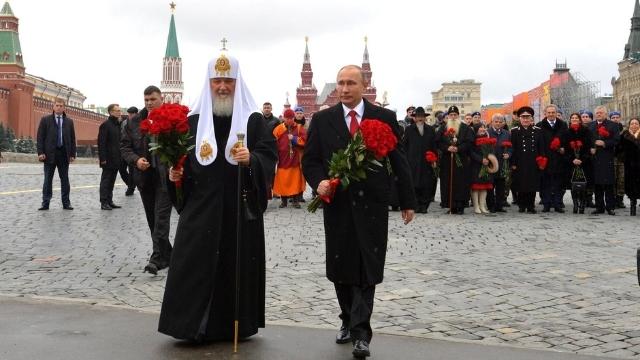
Putin and Kirill celebrating Unity Day, which commemorates the battle in 1612 that ended the occupation of Moscow by the troops of the Polish-Lithuanian Commonwealth.
Putin and Kirill celebrating Unity Day, which commemorates the battle in 1612 that ended the occupation of Moscow by the troops of the Polish-Lithuanian Commonwealth. Credits.

There are two statistics from normally reliable sources that tell us something about the mood of the Russian population. One tells us that support for Putin, which had dropped to 69% before the war, has now risen to over 80% (although that respondents in Russian polls are able or willing to answer freely has been cast in doubt). Another that attendance at Orthodox church services in Russia has dropped to around one percent.

The second statistic must be interpreted, considering that there is no rule in the Orthodox Church similar to the Catholic precept to attend Mass. A Catholic, at least theoretically, should go to Mass every Sunday. For an Orthodox, this obligation does not exist and many go to church only on major holidays. However, scholars observing religion in Russia agree that the number of Russians in contact with the Orthodox Church is continually falling, and now indicates a secularization comparable to that of Western Europe.

It might seem that this belies another common thesis among those who study religion in Russia, that of the implicit but very firm pact between the Russian Orthodox Church and the state, that is, between Patriarch Kirill and Putin. Putin protects the Orthodox Church with laws that prohibit missions of other religions and proselytizing, and the “liquidation” of those who insist on converting the Orthodox to another faith, such as the Jehovah’s Witnesses.

Kirill reciprocates by organizing, through the capillary network of the Orthodox parishes, the consent for Putin and his party, a bit like the Italian Catholic bishops did in the 20th century with the Christian Democrats. Some would say it is precisely this identification between the Orthodox Church and political power that pushes many Russians, especially young people, away from the churches.

But how can Kirill organize consensus for Putin if only a small minority goes to church? In Russia, more than elsewhere, it is necessary to distinguish between different circles over which the majority Church exerts its influence. Something similar happens in Italy as well.

According to the most reliable statistics, active Catholics in Italy are between fifteen and twenty percent, but those who declare themselves Catholics in surveys exceed eighty percent. The Pope’s statements, including those on the war in Ukraine, regularly make headlines, and they certainly influence a larger circle than the comparatively narrow minority of active Catholics.

This process in Russia is amplified because, with the sudden demise of the Soviet identity, a Russian identity was hastily reconstructed based on an idea of the nation as a spiritual reality whose heart is the Orthodox tradition. Millions of Russians who go to church only at Easter (or never), however, recognize themselves as Orthodox and share the idea, which is also promoted by Putin, that Russia is great because its Orthodox religion is great. This is why Patriarch Kirill’s statements and his stances on national and international politics also influence those who are not “active” or “practicing” Orthodox.

There are two specific, interrelated myths that most Russians know and that explain these processes. The first is the imperial myth of the Third Rome. The first would be the Imperial Rome, the second Constantinople (now Istanbul), where the Roman Empire moved after the fall of the city of Rome, surviving until the Turkish conquest in 1453.

A few years later, Tsar Ivan III the Great coined the nationalist and propagandistic formula of the Third Rome, that is, of the Russian Empire as the sole legitimate heir of the Roman Empire, a slogan popularized a century later by his successor Ivan IV the Terrible, and now revamped by Kirill and Putin.

Czar Ivan III the Great (1440–1505).
Czar Ivan III the Great (1440–1505). Credits.

If this first myth is historical and political, the second is religious. It reinterprets the theme of the Third Rome in religious terms. With what Catholics call the Great Eastern Schism—and many Orthodox call the Great Western Schism—in 1054 the Eastern Church separated from the Church of Rome. The choice of the Eastern Church to call itself “Orthodox” precisely indicated that, in its view, it was guarding Orthodoxy while Rome had slipped into heresy.

From this moment, the truth according to the Orthodox was no longer in the First Rome, in Catholic Italy, but had moved to the Second Rome, Constantinople. Here, too, after the Turkish conquest of Constantinople in 1453, the Russians argued that the local Patriarch was no longer fully able to guard the true faith. This task now fell to the Third Rome, Moscow, and the Russian Orthodox Church, which a few years earlier in 1448 had separated from the Patriarchate of Constantinople, although new reunions and new separations would later follow.

These days a controversy of a few years ago between two academic specialists in things Russian, Timothy Snyder of Yale and Marlene Laruelle of George Washington University, is back in fashion. Both agree that Aleksandr Dugin, the far-right Russian political scientist and theorist of Eurasianism, is an able propagandist of himself and has managed to convince many of his influence on Putin, which is actually modest.

According to Snyder, Putin’s real ideological inspiration is rather Ivan Ilyn, a philosopher expelled from the Soviet Union by Lenin for his monarchist and anti-communist positions and who died near Zurich in 1954. Laruelle urges not to overestimate Ilyn either, despite Putin’s public honors for him, and argues that the philosopher influenced Kirill more than he did the Russian president.

The topic is sensitive because Ilyn claimed to be a fascist and admired Mussolini. However, it is not Ilyn’s fascism that exerts influence on Kirill—and Putin himself. It is his vision of Russia as a nation persecuted by the West through its propaganda of democracy, its heresies and “cults,” and its homosexual lobbies, and at the same time as a nation with a mission similar to Jesus Christ: it is persecuted, dies, resurrects, and saves the world.

These ideas clearly inspire Kirill’s sermons but also seduce Putin, who asked for and obtained from Switzerland the remains of Ilyn and had them reburied in Moscow in a tomb in front of which he went to pay his respects and draw inspiration.


* Source: bitterwinter.org


Friday, April 1, 2022

Γιατί είναι μετρημένες οι μέρες
του Κύριλλου Μόσχας & του Πούτιν
/
Why Kirill of Moscow & Putin's days
are counted


Γιατί βάζει πλάτη ο Πατριάρχης Κύριλλος στον πόλεμο του Πούτιν
Τα σενάρια για την KGB


01/04/2022  12:05

Επί εβδομάδες ολόκληρες θρησκευτικοί ηγέτες ανά την υφήλιο εκλιπαρούσαν τον Πατριάρχη Μόσχας Κύριλλο να ταχθεί ανοικτά κατά της ρωσικής εισβολής στην Ουκρανία.

Αλλά στα εβδομαδιαία κηρύγματά του, που αναμεταδίδει ζωντανά η ρωσική τηλεόραση, ο Κύριλλος έκανε το ακριβώς αντίθετο, παρουσιάζοντας τον πόλεμο ως μια μάχη κατά των σατανικών δυνάμεων που αποβλέπουν στην καταστροφή της «θεόσδοτης» ενότητας της Αγίας Ρωσίας.

Λίγες ώρες πριν την εισβολή ο Κύριλλος συνεχάρη τους Ρώσους στρατιώτες ως υπερασπιστές της πατρίδας λέγοντάς τους ότι «δεν πρέπει να έχουν την παραμικρή αμφιβολία ότι επέλεξαν έναν πολύ ορθό δρόμο στις ζωές τους». Περίπου δύο εβδομάδες μετά την έναρξη του πολέμου, προσέδωσε στις μάχες «μεταφυσική σημασία» και προειδοποίησε το ποίμνιό του ότι το τίμημα της συμμετοχής στον δυτικό κόσμο του καταναλωτισμού και των ελευθεριών ήταν να συναινέσουν στη διοργάνωση παρελάσεων gay pride.


Ο πατριάρχης Κύριλλος ευλογεί τον πόλεμο

Την περασμένη εβδομάδα, ο πατριάρχης Κύριλλος αποκάλεσε «αλήθεια του Θεού» ότι οι λαοί της Ρωσίας, της Ουκρανίας και της Λευκορωσίας μοιράζονται μια κοινή πνευματική και εθνική κληρονομιά και πρέπει να είναι ενωμένοι ως ένας λαός - ένας άμεσος απόηχος της υπεράσπισης του πολέμου από τον Ρώσο πρόεδρο Βλαντιμίρ Πούτιν. «Κάποιος πρέπει να προσευχηθεί για τον ενωμένο λαό μας», είπε ο Κύριλλος, κρατώντας μια επίχρυση ράβδο που συμβολίζει τον ρόλο του ως πνευματικού ποιμένα των περισσότερων από 90 εκατομμυρίων μελών της εκκλησίας του. «Κάποιος πρέπει να υπερασπιστεί την αλήθεια του Θεού ότι είμαστε πραγματικά ένας λαός».


Ο Ρώσος πρόεδρος Βλαντιμιρ Πούτιν χαρίζει στις αρχές Φεβρουαρίου μια ανθοδέσμη στον πατριάρχη Κύριλλο με αφορμή την 13η επέτειο από την ενθρόνισή του

Ο Ρώσος πρόεδρος Βλαντιμιρ Πούτιν χαρίζει στις αρχές Φεβρουαρίου μια ανθοδέσμη στον πατριάρχη Κύριλλο με αφορμή την 13η επέτειο από την ενθρόνισή του / Φωτογραφία: AP Photo


«Ζει σε ένα παράλληλο σύμπαν», λέει ο καθηγητής του Πανεπιστημίου UC Riverside, Τζορτζ Μίχελς, ο οποίος ειδικεύεται στη ρωσική και την ουκρανική ιστορία. «[Ο Κύριλλος] περιγράφει την τρέχουσα κατάσταση στην Ουκρανία ως άμυνα των Ρώσων ενάντια σε μια ξένη εισβολή, όχι ως αγώνα των Ουκρανών για τη δημοκρατία και τις ζωές τους ενάντια σε μια ρωσική απολυταρχία».

The Spectator: Ήταν ο Κύριλλος πράκτορας της KGB στα νιάτα του;


Ειδικοί χαρακτηρίζουν τον πατριάρχη Κύριλλο ως μια περίπλοκη προσωπικότητα στη ρωσική πολιτική: έξυπνο, χαρισματικό και φιλόδοξο. Ανήλθε στις τάξεις της Ρωσικής Ορθόδοξης Εκκλησίας κατά τη Σοβιετική περίοδο - όταν η κομμουνιστική κυβέρνηση θεωρούσε τη θρησκεία ως αρχαϊκό λείψανο καταπίεσης - και ήταν ο πρώτος πατριάρχης της Ρωσικής Ορθόδοξης Εκκλησίας που συναντήθηκε με προκαθήμενο της Ρωμαιοκαθολικής Εκκλησίας εδώ και σχεδόν μια χιλιετία.

Φημολογείται επίσης ότι ο 75χρονος πατριάρχης – κατά κόσμον Βλαντιμιρ Μιχαήλοβις Γκουντάγιεφ - είχε συνδεθεί με την KGB. «Για να είμαστε δίκαιοι, για να γίνεις εκκλησιαστικός ηγέτης στη Σοβιετική Ένωση και να πετύχεις ο,τιδήποτε εκείνη την εποχή, έπρεπε να είσαι συνδεδεμένος με την KGB», είπε ο Μίχελς.

Σύμφωνα με το βρετανικό περιοδικό The Spectator o Κύριλλος «ως νεαρός ιερέας και επίσκοπος επί χρόνια διείσδυε στο Παγκόσμιο Συμβούλιο Εκκλησιών και άλλους διεθνείς οργανισμούς για λογαριασμό της ΕΣΣΔ». Σχετικά στοιχεία παρατίθενται σε έρευνα με τίτλο: «Οι φάκελοι Μιχαήλοφ: O Πατριάρχης Κύριλλος και η KGB», που δημοσίευσε το 2018 ο ιστορικός και ακτιβιστής ανθρωπίνων δικαιωμάτων Φίλιξ Κόρλεϊ, χρησιμοποιώντας ως πηγές ντοκουμέντα από τα αρχεία της KGB στη Μόσχα, τα οποία, όπως έγραψε, είδαν αρκετοί ερευνητές, όταν αποχαρακτηρίστηκαν προσωρινά μετά το αποτυχημένο πραξικόπημα του Αυγούστου του 1991, αλλά η πρόσβαση σε αυτά αποκλείστηκε εκ νέου μετά από διαμαρτυρίες της ηγεσίας της ρωσικής ορθόδοξης εκκλησίας για την έκταση των αποκαλύψεων. Ένας πανικός δικαιολογημένος αφού και ο τότε πατριάρχης Αλέξιος ήταν πράκτορας της KGB, όπως σημειώνει το βρετανικό περιοδικό.

Το πανάκριβο ρολόι και το χρυσό κινητό


Σύμφωνα με το Μoscow News το 2006 η περιουσία του Πατριάρχη Κυρίλλου υπολογιζόταν στα 4 δισ. δολάρια, εν μέρει επειδή καταχράστηκε το προνόμιο της ρωσικής εκκλησίας να εισάγει αφορολόγητα τσιγάρα στη Ρωσία.

Το ρολόι στο χέρι του πατριάρχη Κύριλλου εξαφανίστηκε στην «πειραγμένη»  δεύτερη φωτογραφία, αλλά όχι και η αντανάκλασή του στο γραφείο

Το ρολόι στο χέρι του πατριάρχη Κύριλλου εξαφανίστηκε στην «πειραγμένη» δεύτερη φωτογραφία, αλλά όχι και η αντανάκλασή του στο γραφείο


Λίγα χρόνια αφότου ανέβηκε στον πατριαρχικό θρόνο ο Κύριλλος πρωταγωνίστησε σε ένα σκάνδαλο, όταν φωτογραφήθηκε να φορά ένα πανάκριβο, αξίαας 30.000 δολαρίων ρολόι Breguet. Μάλιστα η φωτογραφία είχε «πειραχτεί», προκειμένου να εξαφανιστεί το ρολόι, αλλά το photoshop έγινε απρόσεκτα, απρόσεκτοι, καθώς ξέχασαν να απαλείψουν την αντανάκλαση του ρολογιού σε ένα γραφείο.

Το επίχρυσο κινητό που δώρισε εταιρεία στον πατριάρχη Μόσχας και πασών των Ρωσιών, Κύριλλο

Το επίχρυσο κινητό που δώρισε εταιρεία στον πατριάρχη Μόσχας και πασών των Ρωσιών, Κύριλλο / Φωτογραφία: uznayvse.ru


Ενώ το 2017 μια ρωσική εταιρεία που έχει την έδρα της στην Ελβετία και ειδικεύεται στην κατασκευή κινητών τηλεφώνων πολυτελείας, χάρισε στον Κύριλλο, ένα κινητό τηλέφωνο καλυμμένο με φύλλα χρυσού αξίας πολλών χιλιάδων ευρώ με κουμπιά διακοσμημένα με διαμάντια και χαραγμένο στο πίσω μέρος έναν σταυρό και τα λόγια: «Σώσον και φύλαξον ημάς».
Οι ιδεολογικοί δεσμοί με τον Πούτιν

Ο πατριάρχης Κύριλλος είναι στενός σύμμαχος εδώ και χρόνια του Ρώσου Προέδρου. Είχε χαρακτηρίσει μάλιστα «θαύμα του Θεού» τα πρώτα δώδεκα χρόνια του Πούτιν στην εξουσία, ενώ ο ισχυρός άνδρας του Κρεμλίνου έχει πει ότι ο πατέρας του Κύριλλου, που ήταν ιερέας στο Λένινγκραντ (νυν Αγία Πετρούπολη) τον βάφτισε κρυφά το 1952.

Οι δύο άνδρες ασπάζονται μια εθνικιστική ιδεολογία, που δικαιολογεί κατά την άποψή τους τον πόλεμο στην Ουκρανία. Θεωρούν ότι οι απαρχές της Ρωσίας και της ρωσικής ορθόδοξης εκκλησίας ανάγονται το 988 μ.Χ. όταν ο πρίγκιπας Βλαδίμηρος Α΄, ηγεμόνας των Ρως του Κιέβου, που περιλάμβανε περιοχές της σημερινής Ουκρανίας και Ρωσίας, ασπάστηκε τον χριστιανισμό.

Oι δεσμοί του Βλαντίμιρ Πούτιν με τον πατριάρχη Κύριλλο κρατάνε χρόνια

Oι δεσμοί του Βλαντίμιρ Πούτιν με τον πατριάρχη Κύριλλο κρατάνε χρόνια / Φωτογραφία αρχείου: AP Photo


«Βάσει αυτού του αφηγήματος υπάρχει μια οργανική ολότητα στις σχέσεις του ρωσικού και του ουκρανικού λαού κι αν οι Ουκρανοί έχουν διαφορετική άποψη, είναι επειδή ξέκλιναν της πορείας και τους διέφθειρε η Δύση», εξηγεί η Βικτόρια Σμόλκιν, ειδική στον κομμουνισμό και τον Ψυχρό Πόλεμο του Πανεπιστημίου Wesleyan. Υπ’ αυτό το πρίσμα η Ρωσία δεν επιτίθεται σε ένα κυρίαρχο κράτος, αλλά αποκαθιστά τη φυσική σχέση μεταξύ δύο χωρών. «Αυτό που αποζητούν είναι η λύτρωση. Όχι μόνον των Ουκρανών αλλά και των εαυτών τους. Θεωρούν ότι είναι αποστολή τους η αποκατάσταση της ενότητας».

Το αυτοκέφαλο της ουκρανικής ορθόδοξης Εκκλησίας


Το σχίσμα μεταξύ Ρωσίας και Ουκρανίας δεν είναι μόνον γεωπολιτικό, αλλά έχει επεκταθεί και στην εκκλησία. Για πάνω από τρεις αιώνες η Ουκρανική Ορθόδοξη Εκκλησία ήταν επισήμως συνδεδεμένη με τη Ρωσική, αλλά τα πράγματα άλλαξαν με αφορμή τη χορήγηση καθεστώτος αυτοκεφαλίας στην Ορθόδοξη Εκκλησία της Ουκρανίας από τον Οικουμενικό Πατριάρχη Βαρθολομαίο. Και με το 78% των Ουκρανών να δηλώνουν Ορθόδοξη, ο Κύριλλος είδε το ποίμνιό του να μειώνεται κατά το ένα τρίτο.

Ο Κύριλλος αρνήθηκε να αποδεχθεί ότι οι ορθόδοξοι στην Ουκρανία ήταν πίσω από το σχίσμα, το οποίο απέδωσε σε κήρυγμά του στις 13 Μαρτίου σε έξωθεν πολιτικές πιέσεις.

Επί δεκαετίες οι ηγέτες της ρωσικής ορθόδοξης εκκλησίας συνεργάζονταν με την κυβέρνηση για να προωθήσουν τα συμφέροντα της εκκλησίας, λέει ο Στίβεν Μπατάλντεν, επίτιμος καθηγητής Ιστορίας στο Πανεπιστήμιο της Αριζόνα. Αλλά τώρα, αυτό το σιωπηρό quid pro quo δοκιμάζεται με νέους τρόπους καθώς η Ρωσία βρίσκεται σε εμπόλεμη κατάσταση με την Ουκρανία. «Ο Κύριλλος απέτυχε παταγωδώς να υπερασπιστεί την ακεραιότητα της ρωσικής ορθόδοξης Εκκλησίας και αυτό έχει διάφορες παρενέργειες για τη διάσπαση της εκκλησίας», λέει ο Μπατάλντεν.

«Όσο περισσότερες εκκλησίες και θρησκευτικούς δεσμούς χάνει το πατριαρχείο της Μόσχας, τόσο αποδυναμώνουν οι διεκδικήσεις του για τον λεγόμενο ρωσικό κόσμο», προσθέτει η Σμόλκιν.


* iefimerida.gr,
"Γιατί βάζει πλάτη ο Πατριάρχης Κύριλλος στον πόλεμο του Πούτιν -Τα σενάρια για την KGB", 01/04/2022  12:05.


* Πατριάρχης Κύριλλος: «Όσοι Ρώσοι πεθάνουν στην Ουκρανία θα πάνε στον Παράδεισο»

Wednesday, March 23, 2022

Σας ευχαριστούμε & πάλι! /

Thank you again!


Overall visits (till March 23, 2022):


During the last 3 months:

...more than 21,000 views
 

from all over the world...


blogspot statistics


Sunday, February 27, 2022

Ο πατριάρχης Μόσχας Κύριλλος
ευλογεί τα στρατεύματα του Βλαδίμηρου Πούτιν
την ημέρα εισβολής στη Ουκρανία /

Patriarch Kirill of Moscow
blesses Vladimir Putin's troops
in the day of the invasion of Ukraine


Συγχαρητήρια του Παναγιωτάτου Πατριάρχη Κυρίλλου στον Πρόεδρο της Ρωσίας Β.Β. Πούτιν για Ευτυχισμένη Ημέρα του Υπερασπιστή της Πατρίδας

Συγχαρητήρια του Παναγιωτάτου Πατριάρχη Κυρίλλου στον Πρόεδρο της Ρωσίας V.V.  Ευτυχισμένη Ημέρα του Υπερασπιστή της Πατρίδας στον Πούτιν
23 Φεβρουαρίου 2022 09:20

Ο Παναγιώτατος Πατριάρχης Μόσχας και πασών των Ρωσιών Κύριλλος συνεχάρη τον Πρόεδρο της Ρωσικής Ομοσπονδίας Β.Β. Πούτιν για την Ευτυχισμένη Ημέρα του υπερασπιστή της πατρίδας.

Εξοχότατε Βλαντιμίρ Βλαντιμίροβιτς Πούτιν, Πρόεδρε της Ρωσικής Ομοσπονδίας

Σεβασμιώτατε, αγαπητέ Βλαντιμίρ Βλαντιμίροβιτς!

Σας συγχαίρω θερμά για την Ημέρα του Υπερασπιστή της Πατρίδας.

Σήμερα τιμούμε το κατόρθωμα εκείνων που εκτελούν υπεύθυνη στρατιωτική θητεία, φρουρούν τα σύνορα της πατρίδας τους και φροντίζουν για την ενίσχυση της αμυντικής της ικανότητας και της εθνικής της ασφάλειας. Θάρρος και θάρρος, θάρρος και αποφασιστικότητα, ένθερμη αγάπη για την Πατρίδα και ετοιμότητα για αυτοθυσία - αυτές οι ιδιότητες διακρίνουν τον λαό μας για αιώνες, έχοντας περάσει από το χωνευτήρι πολλών δοκιμασιών και σκλήρυνε τον χαρακτήρα και το σθένος τους.

Η Ρωσική Ορθόδοξη Εκκλησία πάντα προσπαθούσε να συμβάλει σημαντικά στην πατριωτική εκπαίδευση των συμπατριωτών, βλέποντας στη στρατιωτική θητεία μια ενεργή εκδήλωση ευαγγελικής αγάπης για τους γείτονες, παράδειγμα πίστης στα υψηλά ηθικά ιδανικά της αλήθειας και της καλοσύνης.

Θα ήθελα να σημειώσω με ευγνωμοσύνη ότι με την ενεργή συμμετοχή και την υποστήριξή σας υλοποιούνται πολλά σημαντικά εκκλησιαστικά, εκπαιδευτικά και κοινωνικά έργα του Πατριαρχείου Μόσχας, η αλληλεπίδραση εκκλησίας-κράτους αναπτύσσεται γόνιμα, με στόχο τη διατήρηση της εθνικής ιστορικής μνήμης και την επιβεβαίωση της αρχές της παραδοσιακής ηθικής στη ζωή των συγχρόνων.

Σας εύχομαι καλή υγεία, ψυχική ηρεμία και άφθονη βοήθεια από τον Κύριο στην υψηλή και υπεύθυνη υπηρεσία σας προς τον λαό της Ρωσίας.

Με βαθύ και ειλικρινή σεβασμό

+ΚΥΡΙΛΛΟΣ, ΠΑΤΡΙΑΡΧΗΣ ΜΟΣΧΑΣ ΚΑΙ ΠΑΣΩΝ ΤΩΝ ΡΩΣΙΩΝ


Congratulation of His Holiness Patriarch Kirill to the President of Russia V.V. Putin for Happy Defender of the Fatherland Day

Congratulation of His Holiness Patriarch Kirill to the President of Russia V.V.  Happy Defender of the Fatherland Day to Putin
February 23, 2022 09:20

His Holiness Patriarch Kirill of Moscow and All Russia congratulated the President of the Russian Federation V.V. Putin for the Happy Defender of the Fatherland Day.

His Excellency Vladimir Vladimirovich Putin, President of the Russian Federation

Your Excellency, dear Vladimir Vladimirovich!

I heartily congratulate you on the Defender of the Fatherland Day.

Today we honor the feat of those who carry out responsible military service, stand guard over the borders of their native country and take care of strengthening its defense capability and national security. Valor and courage, courage and determination, ardent love for the Fatherland and readiness for self-sacrifice - these qualities have distinguished our people for centuries, having gone through the crucible of many trials and hardened their character and fortitude in them.

The Russian Orthodox Church has always striven to make a significant contribution to the patriotic education of compatriots, seeing in military service an active manifestation of evangelical love for neighbors, an example of fidelity to high moral ideals of truth and goodness.

I would like to note with gratitude that with your active participation and support, many important church-building, educational and social projects of the Moscow Patriarchate are being implemented, church-state interaction is fruitfully developing, aimed at preserving national historical memory and affirming the principles of traditional morality in the life of contemporaries.

I wish you good health, peace of mind and abundant help from the Lord in your high and responsible service to the people of Russia.

With deep and sincere respect

+KIRILL, PATRIARCH OF MOSCOW AND ALL RUSSIA


Поздравление Святейшего Патриарха Кирилла Президенту России В.В. Путину с Днем защитника Отечества

Поздравление Святейшего Патриарха Кирилла Президенту России В.В. Путину с Днем защитника Отечества
23 февраля 2022 г. 09:20

Святейший Патриарх Московский и всея Руси Кирилл поздравил Президента Российской Федерации В.В. Путина с Днем защитника Отечества.

Его Превосходительству Владимиру Владимировичу Путину, Президенту Российской Федерации

Ваше Превосходительство, глубокоуважаемый Владимир Владимирович!

Сердечно поздравляю Вас с Днем защитника Отечества.

Ныне мы чествуем подвиг тех, кто несет ответственное ратное служение, стоит на страже рубежей родной страны и заботится об укреплении ее обороноспособности и национальной безопасности. Доблесть и мужество, отвага и решимость, горячая любовь к Отечеству и готовность к самопожертвованию — эти качества на протяжении веков отличали наш народ, прошедший через горнило многих испытаний и закаливший в них свой характер и силу духа.

Значимый вклад в патриотическое воспитание соотечественников всегда стремилась вносить и Русская Православная Церковь, видящая в воинском служении деятельное проявление евангельской любви к ближним, пример верности высоким нравственным идеалам правды и добра.

С признательностью хотел бы отметить, что при Вашем активном участии и поддержке реализуются многие важные храмоздательские, просветительские и социальные проекты Московского Патриархата, плодотворно развивается церковно-государственное взаимодействие, направленное на сохранение национальной исторической памяти и утверждение принципов традиционной морали в жизни современников.

Желаю Вам крепкого здравия, душевного мира и обильной помощи от Господа в Вашем высоком и ответственном служении народу России.

С глубоким и искренним уважением

+КИРИЛЛ, ПАТРИАРХ МОСКОВСКИЙ И ВСЕЯ РУСИ


 * Source: Official website of the Moscow Patriarchate


Το Bατοπέδι, το FBI και η ρωσική προπαγάνδα στην Ελλάδα - iefimerida.gr


Προσευχή υπέρ Πούτιν και πολέμου


Saturday, February 26, 2022

European Court of Human Rights:
Russia is censured
for religious freedom violations
against Jehovah’s Witnesses /

Ευρωπαϊκό Δικαστήριο Ανθρωπίνων Δικαιωμάτων:
Καταδίκη της Ρωσίας
για παραβιάσεις θρησκευτικής ελευθερίας
κατά των Μαρτύρων του Ιεχωβά


Russia is censured
for religious freedom violations
against Jehovah’s Witnesses

Europe's highest human rights court
found the country has violated
Jehovah’s Witnesses' rights
to liberty and freedom of religion.

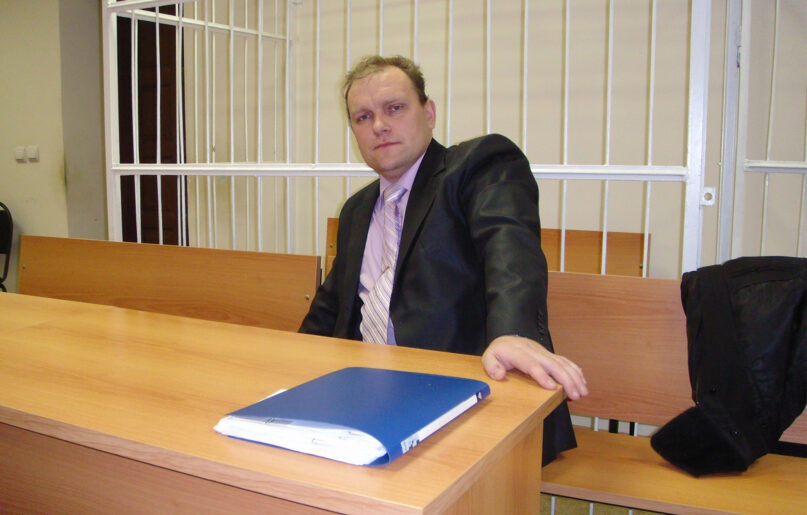
Mikhail Yuryevich Cheprunov during Russian court hearings in 2010. Photo courtesy of Jehovah's Witnesses

(RNS) — As the world braces for an expected Russian invasion of Ukraine, Europe’s highest human rights court found that Russia has violated Jehovah’s Witnesses’ rights to liberty and freedom of religion. The country has been ordered to pay fines totaling more than 99,000 euros — roughly equivalent to $112,323.  

“These judgments set a critical precedent that Russia has been unjustly and unlawfully raiding the homes of Jehovah’s Witnesses,” Jarrod Lopes, spokesperson for Jehovah’s Witnesses, told Religion News Service in an email. There have been 1,700 such raids since 2017, he said.

“Any new home raids based solely on the owner’s religious beliefs are now considered illegal and in violation of the European Convention,” Lopes said.

The European Court of Human Rights issued rulings on two cases Tuesday (Feb. 22). Together, the cases address six instances from 2010-2012 in which Russian law enforcement arrested Jehovah’s Witnesses, raided their homes and places of worship and seized personal items as well as religious materials.

In both cases, the court found Russia guilty of violating Article 9 of the European Convention on Human Rights, which holds that “Everyone has the right to freedom of thought, conscience and religion.”  

The ruling in Zharinova v. Russia involved a Jehovah’s Witness named Yekaterina Nikolayevna Zharinova, who was arrested March 17, 2011, while she was “preaching door-to-door” in her hometown of Ivanteyevka, according to court documents. Officers interviewed Zharinova at a police station and seized her personal belongings and religious literature. She was held at the station for four and a half hours. Though a local court dismissed Zharinova’s initial complaint in 2011, the European Court of Human Rights found Russia guilty of violating Article 5, which protects against unlawful detention, as well as Article 9.

Cheprunovy and Others v. Russia is a separate case that addresses several incidents between 2010 and 2012. Jehovah’s Witnesses said Russian authorities searched their private homes and a prayer hall and seized religious literature such as books and magazines as well as computers, notebooks and video recordings.

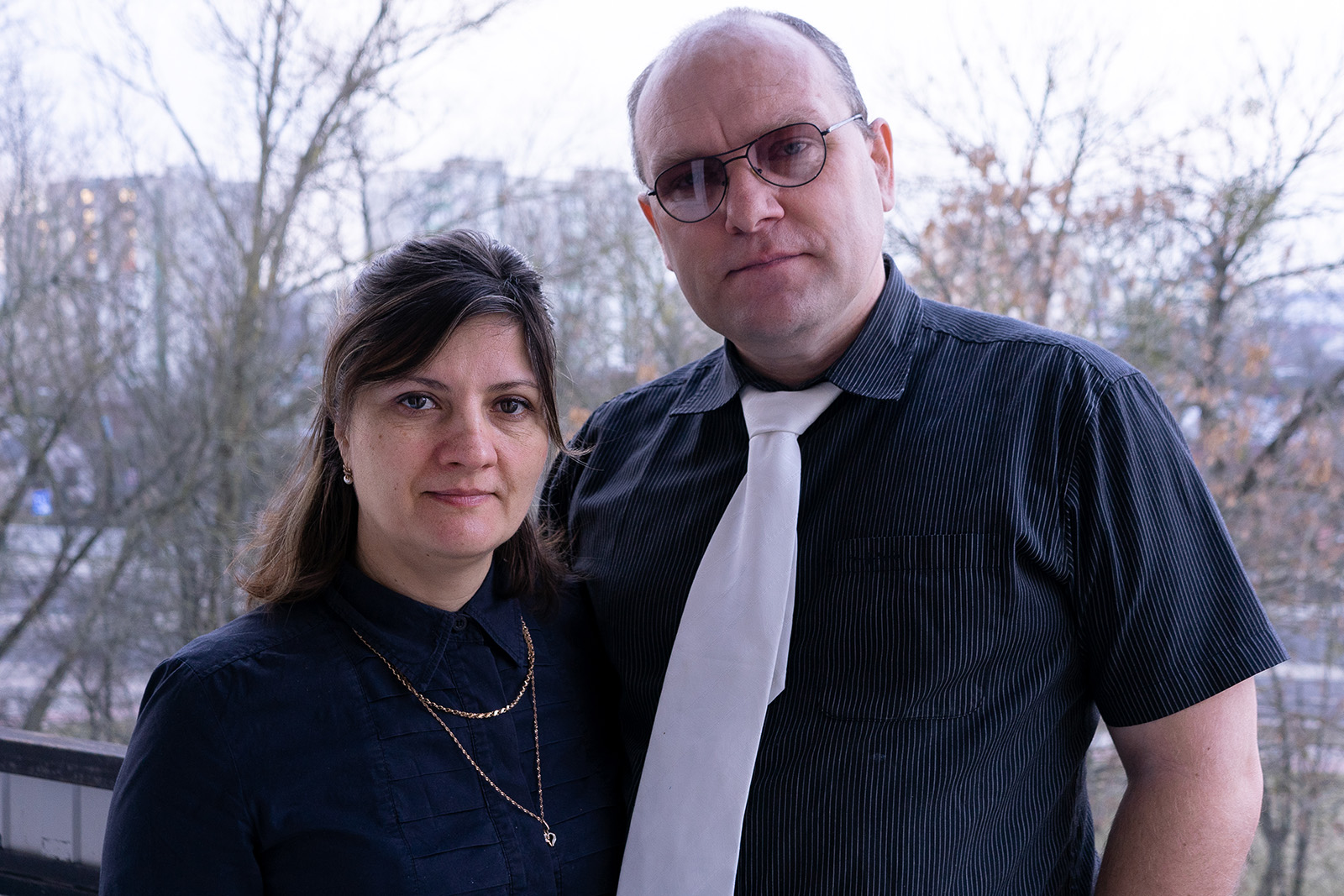
Cheprunova and Cheprunov in Russia. Photo courtesy of Jehovah's Witnesses

Larisa Vladimirovna Cheprunova and Mikhail Yuryevich Cheprunov in Russia.
Photo courtesy of Jehovah’s Witnesses

The ruling says the Russian government suspected the individuals of being involved in illegal activities primarily because they are Jehovah’s Witnesses. The court found that the searches violated Article 9 because they were “carried out without relevant and sufficient grounds and in the absence of safeguards that would confine their impact to reasonable bounds,” according to court documents.  

Both judgments are final and will be enforced by the Council of Europe’s Committee of Ministers. The rulings are the latest of several in which the European Court of Human Rights found Russia guilty of religious freedom violations against Jehovah’s Witnesses. Lopes told RNS that these rulings are a prelude to future judgments from the ECHR that will address “the nation-wide banning of Jehovah’s Witnesses, the prosecution and imprisonment of believers, as well as the confiscations of their national headquarters and all their places of worship (Kingdom Halls).”

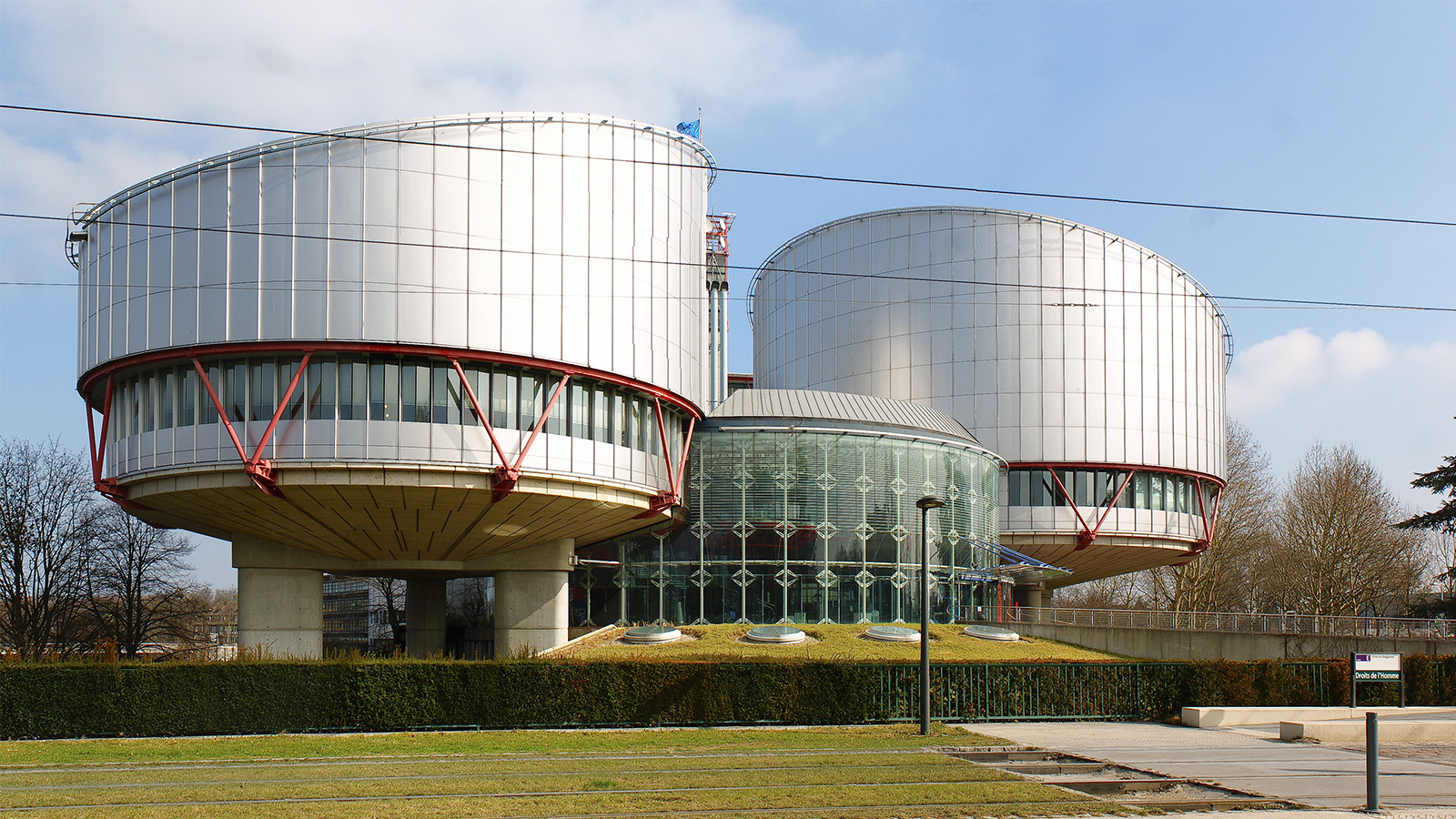
The European Court of Human Rights in Strasbourg, France. Photo by CherryX/Wikipedia/Creative Commons

The European Court of Human Rights in Strasbourg, France.
Photo by CherryX/Wikipedia/Creative Commons

The rulings come as human rights advocates continue to voice concern about Russia’s treatment of Jehovah’s Witnesses. More than 80 members of the denomination are in confinement in Russia, either serving prison sentences or awaiting trial.

“Today the ECHR sent a clear signal to Russia of what to expect when the Court deals with the over 60 other cases pending involving Jehovah’s Witnesses,” said Lopes. “Jehovah’s Witnesses around the world rejoice to see that their fellow believers in Russia are being validated and protected by the ECHR for staying true to their religious beliefs.”


* Religion News Service, Russia is censured for religious freedom violations against Jehovah’s Witnesses, February 23, 2022. 

* The European Times, ECtHR / Russia: Two judgments in favour of 14 Jehovah’s Witnesses against Russia, February 23, 2022.

* Bitter Winter, European Court of Human Rights: Russia Sentenced for Mistreating Jehovah’s Witnesses,  February 28, 2022.


* CASE OF CHEPRUNOVY AND OTHERS v. RUSSIA  (Applications nos. 74320/10 and 4 others)

* CASE OF ZHARINOVA v. RUSSIA  (Application no. 17715/12)


Wednesday, February 16, 2022

Irenaeus's lack of Hebrew knowledge
& his misconception of kyrios

Η έλλειψη γνώσης της Εβραϊκής από τον Ειρηναίο
και η παρανόηση του όρου κύριος


The importance of Irenaeus’s work is that here we have a writing which may be considered the beginning of orthodoxy after the doctrinal chaos of the previous half-century. He gives us a lucid and detailed statement of the basic truths of faith, God, Christ and salvation. From the earlier period the fullest post-apostolic exposition of the Christian faith we possess is Justin Martyr’s writing, particularly his Dialogue with Trypho the Jew (c. AD 135). Obviously the dialogue with a Jew is more restricted, directed to one particular matter, the incarnation and messiahship of Jesus. Irenaeus knew and admired this work, written half a century earlier, and clearly made use of it; on occasion his arguments run on lines parallel to it. Justin is a philosopher, and I think Irenaeus also has a philosophical turn of mind, enjoying the same sort of philosophical argumentation and logic, though he can also burst into prayer on occasion. But Irenaeus faces a different problematic. In the second century a new situation had arisen: the influx into Christianity of gentiles of a classical background. They attempted to understand Christ and Christianity in terms of their own background, losing touch to an extraordinary extent with the Jewish background of Christianity.

For Irenaeus himself this blindness to the Jewish background has important consequences, both negative and positive. Negatively, he shows striking ignorance of Hebrew, hence an extraordinary passage in which he gives etymologies of the divine names Sabaoth, Elohim, Adonai and the sacred Tetragrammaton, which show total ignorance of Hebrew. He also dizzily thinks (Demonstration, 43) that the two first words of the book of Genesis, breshith bara (‘In the beginning he created’), include the word ‘son’. In 3.8.1 he carefully, but quite incorrectly, insists that mamuel (which he thinks is the Hebrew for the Aramaic mammon in Lk 16:13) means ‘glutton’; there is no such word in biblical Hebrew.

On the positive side, ignorance of the Hebrew Bible is a considerable help to Irenaeus in his proof of the divinity of Jesus, which he argues uniquely on the basis of the Greek text of the Bible. He exclusively uses the Greek Septuagint translation, which he argues with persuasive competence to be inspired. From the earliest days this translation, stemming from the Greek-speaking Jews of Alexandria, had been the Bible of the Christian Church. It is the text of the Old Testament used consistently in quotation of the Old Testament in the New. It was not until two centuries later—and not without considerable opposition—that St Jerome hit on the idea of using the Hebrew as the basic text. Hence for Irenaeus wherever the Greek kyrios occurs it refers to the LORD God. In fact it sometimes translates the sacred Tetragrammaton (YHWH, ‘the Lord’), but sometimes means far less: ‘the lord’, a title merely of respect, not of worship. In the vocative it can mean merely ‘Sir’! The use of kyrios for Jesus is an important element in his strong Christology: Jesus is the LORD God tout court. The later subtleties made possible by the distinction of the terms ‘person’ and ‘nature’ have not yet evolved and were therefore unavailable to Irenaeus. They are, of course, a feature of the controversies of the fourth century that led to clarification of the philosophy implied by the doctrine of the Trinity. These philosophical discussions had not yet developed in the Church. Without these subtleties, Irenaeus reads Lk 2:11 (‘Today is born to you a saviour who is Christ the Lord’) as ‘Christ the Lord’, an unambiguous affirmation of the human birth of God.


* Henry Wansbrough,

The Use and Abuse of the Bible:
A Brief History of Biblical Interpretation
,
London; New York: T&T Clark International, 2010,
pp. 26, 27.