.

Showing posts with label ΩΡΙΓΕΝΗΣ. Show all posts

Saturday, May 2, 2015

Ο Ωριγένης
& η «άλλη» πατρίδα των χριστιανών /

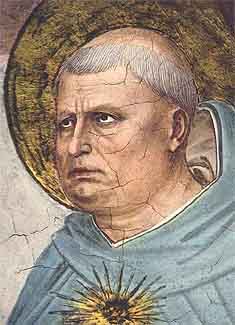
Origen
& the "other" country of the Christians


*

Προτρέπει δ' ἡμᾶς Κέλσος καὶ ἐπὶ τὸ ἄρχειν τῆς πατρίδος, ἐὰν δέῃ καὶ τοῦτο ποιεῖν ἕνεκεν σωτηρίας νόμων καὶ εὐσεβείας. Ἡμεῖς δὲ ἐν ἑκάστῃ πόλει ἄλλο σύστημα πατρίδος κτισθὲν λόγῳ θεοῦ ἐπιστάμενοι τοὺς δυνατοὺς λόγῳ καὶ βίῳ ὑγιεῖ χρωμένους ἄρχειν ἐπὶ τὸ ἄρχειν ἐκκλησιῶν παρακαλοῦμεν, οὐκ ἀποδεχόμενοι μὲν τοὺς φιλάρχους βιαζόμενοι δὲ τοὺς διὰ πολλὴν μετριότητα τὴν κοινὴν φροντίδα τῆς ἐκκλησίας τοῦ θεοῦ μὴ βουλομένους προπετῶς ἀναδέξασθαι· καὶ οἱ καλῶς ἄρχοντες ἡμῶν βιασθέντες ὑπάρχουσι, τοῦ μεγάλου βασιλέως ἀναγκάζοντος, ὃν πεπείσμεθα εἶναι υἱὸν θεοῦ λόγον θεόν. Καὶ εἰ ἄρχουσιν καλῶς οἱ ἄρχοντες ἐν τῇ ἐκκλησίᾳ τῆς κατὰ θεὸν πατρίδος –λέγω δὲ τῆς ἐκκλησίας– , λεγόμενοι ἢ <βιαζόμενοι>, καὶ ἄρχουσι κατὰ τὰ ὑπὸ τοῦ θεοῦ προστεταγμένα, οὐδὲν παρὰ τοῦτο μολύνοντες τῶν θεῶν νόμων.

Celsus exhorts us also to accept public office in our country if it is necessary to do this for the sake of the preservation of the laws and of piety. But we know of the existence in each city of another sort of country, created by the Logos of God. And we call upon those who are competent to take office, who are sound in doctrine and life, to rule over the churches. We do not accept those who love power. But we put pressure on those who on account of their great humility are reluctant hastily to take upon themselves the common responsibility of the church of God. And those who rule us well are those who have had to be forced to take office, being constrained by the great King who, we are convinced, is the Son of God, the divine Logos. Even if it is power over God's country (I mean the Church) which is exercised by those who hold office well in the Church, we say that their rule is in accordance with God's prior authority, and they do not thereby defile the appointed laws.


* Origen, Contra Celsum 8:75 (transl. H. Chadwick) /
Ωριγένης, Κατά Κέλσου 8:75.

*


Friday, December 19, 2014

The palimpsest Ms. O 39 Sup. (Rahlfs 1098)
of the Ambrosian Library in Milan
(late 9th cent. C.E.)
& the sacred Tetragrammaton /

Το παλίμψηστο χειρόγραφο O 39 Sup. (Rahlfs 1098)
της Αμβροσιανής Βιβλιοθήκης του Μιλάνου
(τέλη 9ου αι. Κ.Χ.)
& το ιερό Τετραγράμματο


*


Giovanni Mercati,

Codex rescriptus Bybliothecae Ambrosianae O 39 SVP:
phototypice expressus et transcriptus
.
Codices ex ecclesiasticis Italiae bybliothecis delecti
phototype expressi iussu Pii XI. Pont. Max. consilio
et studio procuratorum Bybliothecae Vaticanae; Vol. 8, 1958,

frag. 11, fol. 105r (pp. 10, 11).


*


The Milan Palimpsest Greek
Milan, Ambrosian Library, O 39 Sup. A Palimpsest, Rahlfs 1098. The upper text is of little value, being merely a late (thirteenth century or later) copy of the Orthodox service book known as the Οκτώηχος. But two of the lower leaves are copies of a text based, in some form, on Origen’s Hexapla. The Hexapla of course contained six columns: Hebrew (in Hebrew letters). Hebrew (transcribed in Greek letters), Aquila, Symmachus, LXX, and Theodotian (plus occasional other versions). The Milan fragments include five of these columns: Hebrew in Greek letters (except that the tetragrammaton is written in Hebrew), Aquila, Symmachus, LXX, and — it is believed — Quinta. (The inclusion of Quinta in this manuscript is part of why there are so many vexed questions about Theodotian, Quinta, and kaige.) The total text is minimal — about 150 verses of Psalms. And the copy is much later than Origen’s original — it’s thought to be ninth or tenth century. But it gives us one of our few looks at the actual format of the Hexapla. * *


Saturday, January 12, 2013

Αποσπάσματα-απομεινάρια
από το έργο Περί Αρχών
του Ωριγένη /

Fragments remained
from Origen's
De Principiis


1 Euseb. C. Marcell. I 4 (GCS 14, p. 3, 11–18): (Marcell.:) γέγραφεν γὰρ ἀρχόμενος (scil. τοῦ Περὶ ἀρχῶν βιβλίου) οὕτως· (Οἱ πεπιστευκότες καὶ πεπεισμένοι), τοῦτο <τὸ> ῥητὸν οὕτως εἰρημένον εὕροις ἂν ἐν τῷ Γοργίᾳ Πλάτωνος. –( Euseb.:) Οὔτ' εἰ ἐφέρετο, ἤνεγκεν ἂν διαβολὴν Ὠριγένει φάντι· (Οἱ πεπιστευκότες [ἢ] καὶ πεπεισμένοι), καὶ συνάψαντι ἑξῆς· (»τὴν χάριν καὶ τὴν ἀλήθειαν διὰ Ἰησοῦ Χριστοῦ γεγονέναι» καὶ Χριστὸν εἶναι τὴν ἀλήθειαν, κατὰ τὸ εἰρημένον ὑπ' αὐτοῦ· «ἐγώ εἰμι ἡ ἀλήθεια».)

2 Antip. Bostr. bei Joh. Damasc. Sacra parall., PG 96, 501 C: ὑμῶν (der Origenisten) γάρ ἐστιν ἡ φωνή, ὅτι (ὄνομα ἀσωμάτου οὐκ ἴσασιν οὐ μόνον οἱ πολλοί, ἀλλ' οὐδὲ ἡ γραφή.)

3 Antip. Bostr. a. a. O.: καὶ πάλιν ὅτι (ἐν τῷ κηρύγματι καὶ τὸ εἶναί τινας ἀγγέλους καὶ δυνάμεις κρείττονας, λειτουργικὰς τῆς σωτηρίας τῶν ἀνθρώπων, παραδέδοται· πότε δὲ ἐκτίσθησαν καὶ τίνα τὰ περὶ αὐτούς, οὐδαμῶς τις ἐσαφήνισεν.)

4 Just. Ep. ad Menam (p. 09, 4–7 Schw.): Ἐκ τοῦ πρώτου λόγου τοῦ αὐτοῦ βιβλίου (scil. De princ.). (Γενόμενοι τοίνυν ἡμεῖς κατ' εἰκόνα, τὸν υἱὸν πρωτότυπον ὡς ἀλήθειαν ἔχομεν τῶν ἐν ἡμῖν καλῶν τύπων· αὐτὸς δὲ ὅπερ ἡμεῖς ἐσμὲν πρὸς αὐτόν, τοιοῦτός ἐστι πρὸς τὸν πατέρα ἀλήθειαν τυγχάνοντα.)

5 Just. Ep. ad Menam (p. 10, 1–4 Schw.): Ὅτι συναΐδια τοῦ θεοῦ τὰ κτίσματα, ἐκ τοῦ πρώτου λόγου τοῦ Περὶ ἀρχῶν βιβλίου. (Πῶς δὲ οὐκ ἄτοπον τὸ μὴ ἔχοντά τι τῶν πρεπόντων αὐτῷ τὸν θεὸν εἰς τὸ ἔχειν ἐληλυθέναι; εἰ δὲ οὐκ ἔστιν ὅτε παντοκράτωρ οὐκ ἦν, ἀεὶ εἶναι δεῖ ταῦτα, δι' ἃ παντοκράτωρ ἐστί, καὶ ἀεὶ ἦν ὑπ' αὐτοῦ κρατούμενα, ἄρχοντι αὐτῷ χρώμενα.)

6 Just. Ep. ad Menam (p. 10, 1–6 Schw.): Ἐκ τοῦ αὐτοῦ (scil. πρώτου) λόγου. (Οὕτω τοίνυν ἡγοῦμαι καὶ ἐπὶ τοῦ σωτῆρος καλῶς ἂν λεχθήσεσθαι ὅτι «εἰκὼν ἀγαθότητος θεοῦ» ἐστιν, ἀλλ' οὐκ αὐτοαγαθόν. καὶ τάχα καὶ ὁ υἱὸς ἀγαθός, ἀλλ' οὐχ ὡς ἁπλῶς ἀγαθός. καὶ ὥσπερ «εἰκών ἐστι τοῦ θεοῦ τοῦ ἀοράτου» καὶ κατὰ τοῦτο θεός, ἀλλ' οὐ περὶ οὗ λέγει αὐτὸς ὁ Χριστὸς «ἵνα γινώσκωσί σε τὸν μόνον ἀληθινὸν θεόν», οὕτως «εἰκὼν τῆς ἀγαθότητος», ἀλλ' οὐχ ὡς ὁ πατὴρ ἀπαραλλάκτως ἀγαθός.)

7 Just. Ep. ad Menam (p. 10, 7–10 Schw.): Ὅτι μετὰ τοῦ υἱοῦ καὶ τὸ ἅγιον πνεῦμα κτίσμα εἰπὼν συνηρίθμησε τοῖς ἄλλοις κτίσμασι, δι' ὃ καὶ λειτουργικὰ αὐτὰ ζῷα καλεῖ, ἐκ τοῦ πρώτου λόγου τοῦ Περὶ ἀρχῶν βιβλίου. (Ὅτι μὲν οὖν πᾶν ὅ τι ποτὲ παρὰ τὸν πατέρα καὶ θεὸν τῶν ὅλων γενητόν ἐστιν, ἐκ τῆς ἀκολουθίας πειθόμεθα.)

8 Just. Ep. ad Menam (p. 10, 10–14 Schw.): καὶ μετά τινα· (Ἔλεγε δὲ ὁ Ἑβραῖος τὰ ἐν τῷ Ἡσαίᾳ δύο Σεραφὶμἑξαπτέρυγα, κεκραγότα ἕτερον πρὸς τὸ ἕτερον καὶ λέγοντα· «ἅγιος ἅγιος ἅγιος κύριος Σαβαώθ» τὸν μονογενῆ εἶναι τοῦ θεοῦ καὶ τὸ πνεῦμα τὸ ἅγιον. ἡμεῖς δὲ οἰόμεθα ὅτι καὶ τὸ ἐν τῇ ᾠδῇ Ἀμβακούμ· «ἐν μέσῳ δύο ζῴων γνωσθήσῃ» περὶ Χριστοῦ καὶ ἁγίου πνεύματος εἴρηται.)

9 Just. Ep. ad Menam (p. 08, 6–3 Schw.): Ἐκ τοῦ πρώτου λόγου τοῦ Περὶ ἀρχῶν βιβλίου. (Ὅτι ὁ μὲν θεὸς καὶ πατὴρ συνέχων τὰ πάντα φθάνει εἰς ἕκαστον τῶν ὄντων, μεταδιδοὺς ἑκάστῳ ἀπὸ τοῦ ἰδίου τὸ εἶναι ὅπερ ἐστίν, ἐλαττόνως δὲ παρὰ τὸν πατέρα ὁ υἱὸς φθάνων ἐπὶ μόνα τὰ λογικά (δεύ τερος γάρ ἐστι τοῦ πατρός), ἔτι δὲ ἡττόνως τὸ πνεῦμα τὸ ἅγιον ἐπὶ μόνους τοὺς ἁγίους διικνούμενον· ὥστε κατὰ τοῦτο μείζων ἡ δύναμις τοῦ πατρὸς παρὰ τὸν υἱὸν καὶ τὸ πνεῦμα τὸ ἅγιον, πλείων δὲ ἡ τοῦ υἱοῦ παρὰ τὸ πνεῦμα τὸ ἅγιον, καὶ πάλιν διαφέρουσα μᾶλλον τοῦ ἁγίου πνεύματος ἡ δύναμις παρὰ τὰ ἄλλα ἅγια.)

10 Just. Ep. ad Menam (p. 10, 5–7 Schw.): Ἐκ τοῦ αὐτοῦ (scil. πρώτου) λόγου. (Πάντα τὰ γένη καὶ τὰ εἴδη ἀεὶ ἦν, ἄλλος δέ τις ἐρεῖ καὶ τὸ καθ' ἓν ἀριθμῷ· πλὴν ἑκατέρως δηλοῦται ὅτι οὐκ ἤρξατο ὁ θεὸς δημιουργεῖν ἀργήσας ποτέ.)

11 Just. Ep. ad Menam (p. 10, 8–211, 7 Schw.): Περὶ τῆς προϋπ άρξεως τῶν ψυχῶν, ἐκ τοῦ πρώτου λόγου τοῦ Περὶ ἀρχῶν βιβλίου. (Ἐξ ἰδίας αἰτίας τῶν μὴ προσεχόντων ἑαυτοῖς ἀγρύπνως γίνονται τάχιον ἢ βράδιον μεταπτώσεις, καὶ ἐπὶ πλεῖον ἢ ἐπ' ἔλαττον, ὡς ἀπὸ ταύτης τῆς αἰτίας, κρίσει θείᾳ συμπαραμετρούσῃ τοῖς ἑκάστου βελτίοσιν ἢ χείροσι κινήμασι καὶ τὸ κατ' ἀξίαν, ὁ μέν τις ἕξει ἐν τῇ ἐσομένῃ διακοσμήσει τάξιν ἀγγελικὴν ἢ δύναμιν ἀρχικὴν ἢ ἐξουσίαν τὴν ἐπί τινων ἢ θρόνον τὸν ἐπὶ βασι λευομένων ἢ κυρείαν τὴν κατὰ δούλων· οἱ δὲ οὐ πάνυ τι ἐκπεσόντες τὴν ὑπὸ τοῖς εἰρημένοις οἰκονομίαν καὶ βοήθειαν ἕξουσι. καὶ οὕτως κατὰ μὲν τὸ πλεῖστον ἀπὸ τῶν ὑπὸ τὰς ἀρχὰς καὶ τὰς ἐξουσίας καὶ τοὺς θρόνους καὶ τὰς κυριότητας, τάχα δὲ ἔσθ' ὅτε καὶ ἀπ' αὐτῶν συστήσεται τὸ τῶν ἀνθρώπων γένος ἐν τῷ καθ' ἕνα κόσμῳ.)

12 Just. Ep. ad Menam (p. 211, 8–12 Schw.): Ἐκ τοῦ αὐτοῦ (scil. πρώτου) λόγου, ὅτι εἰ μεταβάλοιεν ἐπὶ τὸ κρεῖττον οἱ δαίμονες, συμπλη ρώσουσί ποτε ἀνθρωπότητα. (Οἶμαι δὲ δύνασθαι ἀπὸ τῶν ὑποτεταγμέ νων τοῖς χείροσιν ἀρχαῖς καὶ ἐξουσίαις καὶ κοσμοκράτορσι καθ' ἕκαστον κόσμον ἤ τινας κόσμους ἐνίους τάχιον, <ἐνίους δὲ βράδιον> εὐεργετου μένους καὶ βουλησομένους ἐξ αὑτῶν μεταβαλεῖν συμπληρώσειν ποτὲ ἀνθρωπότητα.)

13 Just. Ep. ad Menam (p. 1, 0–3 Schw.): Ἐκ τοῦ πρώτου λόγου τοῦ αὐτοῦ βιβλίου, ὅτι ἔμψυχος ὁ ἥλιος καὶ ἡ σελήνη καὶ οἱ ἀστέρες. (Ὅτι δὲ πρεσβυτέρα ἡ ψυχὴ τοῦ ἡλίου τῆς ἐνδέσεως αὐτοῦ τῆς εἰς τὸ σῶμα, μετὰ τὸ συλλογίσασθαι ἐκ συγκρίσεως ἀνθρώπου τῆς πρὸς αὐτὸν καὶ ἐντεῦθεν ἀπὸ τῶν γραφῶν οἶμαι ἀποδεῖξαι δύνασθαι.)

14 Just. Ep. ad Menam (p. 1, 4–30 Schw.): Ἐκ τοῦ αὐτοῦ (scil. πρώτου) λόγου. (»Κάλλιον ἀναλῦσαι καὶ σὺν Χριστῷ εἶναι, πολλῷ γὰρ μᾶλλον κρεῖσσον.» Νομίζω γὰρ ὅτι λέγοι ἂν ὁ ἥλιος ὅτι «κάλλιον ἀνα λῦσαι καὶ σὺν Χριστῷ εἶναι, πολλῷ γὰρ μᾶλλον κρεῖσσον». Καὶ ὁ μὲν Παῦλος· «ἀλλὰ τὸ ἐπιμένειν τῇ σαρκὶ ἀναγκαιότερον δι' ὑμᾶς», ὁ δὲ ἥλιος· «τὸ ἐπιμένειν τῷ οὐρανίῳ τούτῳ σώματι ἀναγκαιότερον διὰ τὴν ἀποκάλυψιν τῶν τέκνων τοῦ θεοῦ». Τὰ δὲ αὐτὰ καὶ περὶ σελήνης καὶ τῶν λοιπῶν ἀστέρων λεκτέον.)

17b Just. Ep. ad Menam (p. 11, 17–3 Schw.): Ὅτι καὶ τὸν ἔνυδρον ἔσθ' ὅτε αἱρεῖται βίον ἡ ψυχή, ἐκ τοῦ δευτέρου λόγου τοῦ Περὶ ἀρχῶν βιβλίου. (Ἡ ψυχὴ ἀπορρέουσα τοῦ καλοῦ καὶ τῇ κακίᾳ προσκλι νομένη καὶ ἐπὶ πλεῖον ἐν ταύτῃ γινομένη, εἰ μὴ ὑποστρέφοι, ὑπὸ τῆς ἀνοίας ἀποκτηνοῦται καὶ ὑπὸ τῆς πονηρίας ἀποθηριοῦται.) Καὶ μετ' ὀλίγα· (καὶ αἱρεῖται πρὸς τὸ ἀλογωθῆναι καὶ τὸν ἔνυδρον, ἵν' οὕτως εἴπω, βίον· καὶ τάχα κατὰ ἀξίαν τῆς ἐπὶ πλεῖον πτώσεως τῆς κακίας ἐνδύεται σῶμα τοιοῦδε ἢ τοιοῦδε ζῴου ἀλόγου.)

18 Just. Ep. ad Menam (p. 11, 13–16 Schw.): Περὶ τῆς τῶν ἄνωθεν εἰς σῶμα καταγωγῆς. (Οὕτω δὴ ποικιλωτάτου κόσμου τυγχάνοντος καὶ τοσαῦτα διάφορα λογικὰ περιέχοντος τί ἄλλο χρὴ λέγειν αἴτιον γεγονέναι τοῦ ὑποστῆναι αὐτὸν ἢ τὸ ποικίλον τῆς ἀποπτώσεως τῶν οὐχ ὁμοίως τῆς ἑνάδος ἀπορρεόντων;)

19 Just. Ep. ad Menam(p. 11, 4–7 Schw.): Ἐκ τοῦ αὐτοῦ (scil. δευτέρου) λόγου, ὅτι ἔσται τελεία τῶν σωμάτων ἀπόθεσις. (Εἰ δὲ τὰ ὑποταγέντα τῷ Χριστῷ ὑποταγήσεται ἐπὶ τέλει καὶ τῷ θεῷ, πάντες ἀποθή σονται τὰ σώματα. Καὶ οἶμαι ὅτι τότε εἰς τὸ μὴ ὂν ἔσται ἀνάλυσις τῆς τῶν σωμάτων φύσεως, ὑποστησομένης δεύτερον ἐὰν πάλιν λογικὰ ὑποκα ταβῇ.)

20 Just. Ep. ad Menam (p. 10, 15–0 Schw.): Ἐκ τοῦ δευτέρου λόγου τοῦ Περὶ ἀρχῶν βιβλίου, ὅτι ἄνθρωπον ψιλὸν λέγει τὸν κύριον. Διὰ τοῦτο καὶ ἄνθρωπος γέγονε Χριστός, ἐξ ἀνδραγαθήματος τούτου τυχών, ὡς μαρτυρεῖ ὁ προφήτης λέγων· «Ἠγάπησας δικαιοσύνην καὶ ἐμίσησας ἀνομίαν· διὰ τοῦτο ἔχρισέ σε ὁ θεός, ὁ θεός σου ἔλαιον ἀγαλλιά σεως παρὰ τοὺς μετόχους σου». Ἔπρεπε δὲ τὸν μηδέποτε κεχωρισ μένον τοῦ μονογενοῦς συγχρηματίσαι τῷ μονογενεῖ καὶ συνδοξασθῆναι αὐτῷ.

21 Just. Ep. ad Menam (p. 21,2 9–14 Schw.): Ἐκ τοῦ αὐτοῦ (scil. δευτέρου) λόγου περὶ τοῦ αὐτοῦ. (Ὥσπερ «σῶσαι ἦλθεν τὸ ἀπολωλὸς» ὁ σωτήρ, ὅτε μέντοι σῴζεται τὸ ἀπολωλός, οὐκέτι ἐστὶν ἀπολωλός· οὕτως ἣν σῶσαι ἦλθε ψυχήν, ὡς σῶσαι τὸ ἀπολωλός, οὐκέτι μένει ψυχὴ ἡ σωθεῖσα ψυχή. Ἔτι βασανιστέον εἰ ὥσπερ τὸ ἀπολωλὸς ἦν ὅτε οὐκ ἀπολώλει καὶ ἔσται ποτὲ ὅτε οὐκ ἔσται ἀπολωλός, οὕτω καὶ ἡ ψυχὴ ἦν ὅτε οὐκ ἦν ψυχὴ καὶ ἔσται ὅτε οὐκ ἔσται ψυχή.)

23b Just. Ep. ad Menam (p. 212, 3–8 Schw.): Ἐκ τοῦ δευτέρου λόγου τοῦ Περὶ ἀρχῶν βιβλίου, πῶς νοῦς γέγονε ψυχὴ καὶ ψυχὴ καθαρθεῖσα γίνεται νοῦς. (Παρὰ τὴν ἀπόπτωσιν καὶ τὴν ψῦξιν τὴν ἀπὸ τοῦ ζῆν τῷ πνεύματι γέγονεν ἡ νῦν λεγομένη ψυχή, οὖσα καὶ δεκτικὴ τῆς ἐπανόδου τῆς ἐφ' ὅπερ ἦν ἐν ἀρχῇ. Ὅπερ νομίζω λέγεσθαι ὑπὸ τοῦ προφήτου ἐν τῷ· «Ἐπίστρεψον, ψυχή μου, εἰς τὴν ἀνάπαυσίν σου»· ὥστε ὅλον τοῦτο εἶναι νοῦς.)

24 Just. Ep. ad Menam(p. 190, 7–14 Schw. [† i] und p. 209, 1–6 Schw. [† ii]): i Προστίθησι δὲ ταῖς ἑαυτοῦ βλασφημίαις καὶ τοῦτο ἐν τῷ Περὶ ἀρχῶν αὐτοῦ πρώτῳ λόγῳ ἐπ' αὐτῆς λέξεως εἰπὼν οὕτως· (Ἐν τῇ ἐπινοουμένῃ ἀρχῇ τοσοῦτον ἀριθμὸν τῷ βουλήματι αὐτοῦ ὑποστῆσαι τὸν θεὸν νοερῶν οὐσιῶν ὅσον ἠδύνατο διαρκέσαι· πεπερασμένην γὰρ εἶναι καὶ τὴν δύναμιν τοῦ θεοῦ λεκτέον καὶ μὴ προφάσει εὐφημίας τὴν περιγραφὴν αὐτῆς περιαιρετέον. Ἐὰν γὰρ ἄπειρος ἡ θεία δύναμις, ἀνάγκη αὐτὴν μηδὲ ἑαυτὴν νοεῖν· τῇ γὰρ φύσει τὸ ἄπειρον ἀπερίληπτον. Πεποί ηκε τοίνυν τοσαῦτα, ὧν ἠδύνατο περιδράξασθαι καὶ ἔχειν αὐτὰ ὑπὸ χεῖρας καὶ συγκροτεῖν ὑπὸ τὴν αὐτοῦ πρόνοιαν· ὥσπερ καὶ τοσαύτην ὕλην κατεσκεύασεν ὅσην ἠδύνατο κατακοσμῆσαι.) ii Ὅτι πεπερασμένη ἐστιν ἡ τοῦ θεοῦ καὶ πατρὸς δύναμις, ἐκ τοῦ δευτέρου λόγου τοῦ αὐτοῦ βιβλίου. (Πεπερασμένην γὰρ εἶναι–περιαιρετέον.) Καὶ μετ' ὀλίγα· (Πεποίηκε τοίνυν–ὅσην ἠδύνατο διακοσμῆσαι.)

27 Just. Ep. ad Menam (p. 211, 28–212, Schw.): Ἐκ τοῦ τρίτου λόγου τοῦ αὐτοῦ βιβλίου περὶ τοῦ αὐτοῦ (scil. ὅτι ἔσται τελεία τῶν σωμάτων ἀπόθεσις). (Λεγομένου τοῦ θεοῦ «πάντα γίνεσθαι ἐν πᾶσιν», ὥσπερ οὐ δυνάμεθα κακίαν καταλιπεῖν, ὅτε θεὸς «πάντα γίνεται ἐν πᾶσιν», οὐδὲ ἄλογα ζῷα, ἵνα μὴ καὶ ἐν κακίᾳ ὁ θεὸς γίνηται καὶ ἐν ἀλόγοις ζῴοις, ἀλλ' οὐδὲ ἄψυχα, ἵνα μὴ καὶ ἐν αὐτοῖς ὁ θεός, ὅτε «πάντα γίνεται», οὕτως οὐδὲ σώματα, ἅτινα τῇ ἰδίᾳ φύσει ἄψυχά εἰσιν.)

29 Just. Ep. ad Menam (p. 2213, 8–10 Schw.): Ἐκ τοῦ αὐτοῦ (scil. τετάρτου) λόγου. (Τίς νοῦν ἔχων ὁρίσεται πρώτην καὶ δευτέραν καὶ τρίτην ἡμέραν ἑσπέραν τε καὶ πρωΐαν χωρὶς ἡλίου γεγονέναι καὶ σελήνης καὶ ἀστέρων;)

30 Just. Ep. ad Menam (p. 13, 1–7 Schw.): Ἐκ τοῦ τετάρτου λόγου τοῦ αὐτοῦ βιβλίου, ὅτι καὶ ὑπὲρ δαιμόνων δεῖ τὸν Χριστὸν σταυρωθῆναι, καὶ πολλάκις τοῦτο εἰς τοὺς ἐσομένους αἰῶνας. (Ἀλλὰ κἂν μέχρι τοῦ πάθους τις ζητήσῃ, τολμηρὸν δόξει ποιεῖν περὶ τὸν οὐράνιον τόπον αὐτὸ ζητῶν. ἀλλ' εἰ ἔστι «πνευματικὰ τῆς πονηρίας ἐν τοῖς ἐπουρανίοις», ὅρα εἰ ὥσπερ ἐνθάδε οὐκ αἰδούμεθα σταυρούμενον ὁμολογεῖν ἐπὶ καθαιρέσει ὧν καθεῖλε διὰ τοῦ πεπονθέναι, οὕτως κἀκεῖ τὸ παραπλήσιον διδόντες γίνεσθαι καὶ εἰς τὸ ἑξῆς «ἕως τῆς συντελείας τοῦ παντὸς αἰῶνος» οὐ φοβηθησόμεθα.)

31 Marcell. Anc. bei Euseb. C. Marcell. I 4 (p. 21, 16–22 Kl.): ... ἐκ τῶν Ὠριγένους ῥητῶν ... ἔστιν δὲ τὰ ῥητὰ ταῦτα· (Ὥρα ἐπαναλαβόντα περὶ πατρὸς καὶ υἱοῦ καὶ ἁγίου πνεύματος ὀλίγα τῶν τότε παραλελειμμένων διεξελθεῖν· περὶ πατρός, ὡς ἀδιαίρετος ὢν καὶ ἀμέριστος υἱοῦ γίνεται πατήρ, οὐ προβαλὼν αὐτόν, ὡς οἴονταί τινες. εἰ γὰρ πρόβλημά ἐστιν ὁ υἱὸς τοῦ πατρὸς καὶ γέννημα ἐξ αὐτοῦ, ὁποῖα τὰ τῶν ζῴων γεννήματα, ἀνάγκη σῶμα εἶναι τὸν προβαλόντα καὶ τὸν προβεβλημένον.)

32 Just. Ep. ad Menam (p. 209, 11–15 Schw.): Ὅτι κτίσμα καὶ γενητὸς ὁ υἱός, ἐκ τοῦ αὐτοῦ τετάρτου λόγου. (Οὗτος δὴ ὁ υἱὸς ἐκ θελή-ματος τοῦ πατρὸς ἐγενήθη, «ὅς ἐστιν εἰκὼν τοῦ θεοῦ τοῦ ἀοράτου» καὶ «ἀπαύγασμα τῆς δόξης αὐτοῦ χαρακτήρ τε τῆς ὑποστάσεως αὐτοῦ», «πρω-τότοκος πάσης κτίσεως», κτίσμα, σοφία· αὐτὴ γὰρ ἡ σοφία φησίν· «ὁ θεὸς ἔκτισέ με ἀρχὴν ὁδῶν αὐτοῦ εἰς ἔργα αὐτοῦ».)

33 Athan. De decr. Nic. syn. 27, 1–2 (p. 23, 17–30 Opitz): Περὶ δὲ τοῦ ἀιδίως συνεῖναι τὸν λόγον τῷ πατρὶ καὶ μὴ ἑτέρας οὐσίας ἢ ὑπο-στάσεως, ἀλλὰ τῆς τοῦ πατρὸς ἴδιον <γέννημα> αὐτὸν εἶναι, ὡς εἰρήκασιν οἱ ἐν τῇ συνόδῳ, ἐξέστω πάλιν ὑμᾶς ἀκοῦσαι καὶ παρὰ τοῦ φιλοπόνου Ὠριγένους. ἃ μὲν γὰρ ὡς ζητῶν καὶ γυμνάζων ἔγραψε, ταῦτα μὴ ὡς αὐτοῦ φρονοῦντος δεχέσθω τις, ἀλλὰ τῶν πρὸς ἔριν φιλονεικούντων ἐν τῷ ζητεῖν· ἃ δὲ ὡς ὁρίζων ἀποφαίνεται, τοῦτο τοῦ φιλοπόνου τὸ φρόνημά ἐστι. (2) μετὰ γοῦν τὰ ὡς ἐν γυμνασίᾳ λεγόμενα πρὸς τοὺς αἱρετικοὺς εὐθὺς αὐτὸς ἐπιφέρει τὰ ἴδια λέγων οὕτως· (Εἰ ἔστιν «εἰκὼν τοῦ θεοῦ τοῦ ἀοράτου», ἀόρατος εἰκών· ἐγὼ δὲ τολμήσας προσθείην ἄν, ὅτι καὶ «ὁμοιότης» τυγχάνων τοῦ πατρὸς οὐκ ἔστιν ὅτε οὐκ ἦν. πότε γὰρ ὁ θεὸς ὁ κατὰ τὸν Ἰωάννην «φῶς» λεγόμενος («ὁ θεὸς» γὰρ «φῶς ἐστιν») «ἀπαύγασμα» οὐκ εἶχε τῆς ἰδίας «δόξης», ἵνα τολμήσας τις ἀρχὴν δῷ εἶναι υἱοῦ πρότερον οὐκ ὄντος; πότε δὲ ἡ τῆς ἀρρήτου καὶ ἀκατονομάστου καὶ ἀφθέγκτου ὑποστά-σεως τοῦ πατρὸς «εἰκών», ὁ «χαρακτήρ», <ὁ> λόγος ὁ «γινώσκων τὸν πατέρα» οὐκ ἦν; κατανοείτω γὰρ ὁ τολμῶν καὶ λέγων· «ἦν ποτε ὅτε οὐκ ἦν ὁ υἱός», ὅτι ἐρεῖ καὶ τό· σοφία ποτὲ οὐκ ἦν καὶ λόγος οὐκ ἦν καὶ ζωὴ οὐκ ἦν.)

34 Athan. De decr. Nic. syn. 27, 3 (p. 23, 30–24, 3 Opitz): Καὶ πάλιν ἐν ἑτέροις οὕτω λέγει· (Ἀλλ' οὐ θέμις ἐστὶν οὐδὲ ἀκίνδυνον διὰ τὴν ἀσθένειαν ἡμῶν τὸ ὅσον ἐφ' ἡμῖν ἀποστερεῖσθαι τὸν θεὸν τοῦ ἀεὶ συνόντος αὐτῷ λόγου μονογενοῦς, σοφίας ὄντος, «ᾗ προσέχαιρεν»· οὕτω γὰρ οὐδὲ ἀεὶ χαίρων νοηθήσεται.)

36 Theoph. Al. Ep. pasch. II bei Theodoret Eranistes, dial. II (PG 83, 197 C): ... γράφει γὰρ οὕτως· (Οὐ δήπου γὰρ ἡ «τεταραγμένη» καὶ «περίλυπος» οὖσα ψυχὴ ὁ «μονογενὴς» καὶ «πρωτότοκος πάσης κτίσεως» ἐτύγ-χανεν οὖσα. ὁ γὰρ θεὸς λόγος, ὡς κρείττων τῆς ψυχῆς τυγχάνων, αὐτὸς ὁ υἱός φησιν· «ἐξουσίαν ἔχω θεῖναι αὐτήν, καὶ ἐξουσίαν ἔχω λαβεῖν αὐτήν».) εἰ τοίνυν κρείττων ἐστὶν ὁ υἱὸς τῆς ἑαυτοῦ ψυχῆς, ὥσπερ οὖν καὶ κρείττων ὡμολόγηται, πῶς ἡ ψυχὴ τούτου «ἴσα θεῷ» καὶ «ἐν μορφῇ αὐτοῦ»; αὐτὴν γὰρ εἶναι φάμενος τὴν «κενώσασαν ἑαυτὴν» καὶ «μορφὴν δούλου λαβοῦσαν», ταῖς ὑπερβολαῖς τῶν ἀσεβειῶν ἐπισημότερος τῶν ἄλλων αἱρετικῶν ἐγένετο, ὡς ἐπεσημηνάμεθα. εἰ γὰρ «ἐν μορφῇ θεοῦ ὑπάρχει» ὁ λόγος καὶ «ἴσα θεῷ» τὴν ψυχὴν τοῦ σωτῆρος οἴεται, τολμήσας οὕτω γράψαι, πῶς τὸ ἴσον κρεῖττόν ἐστι;

37 Theoph. Al., am gleichen Ort (PG 83, 197 AB): ... καὶ λέγων αὐτοῖς ῥήμασιν οὕτως· (Ὥσπερ «ὁ υἱὸς καὶ πατὴρ ἕν εἰσιν», οὕτω καὶ ἣν εἴληψεν ὁ υἱὸς ψυχὴν καὶ αὐτὸς ἕν εἰσιν.)

38 Just. Ep. ad Menam (p. 209, 7–10 Schw.): Ἐκ τοῦ τετάρτου λόγου τοῦ αὐτοῦ βιβλίου. (Μηδεὶς προσκοπτέτω τῷ λόγῳ, εἰ μέτρα ἐπιτίθεμεν καὶ τῇ τοῦ θεοῦ δυνάμει. ἄπειρα γὰρ περιλαβεῖν τῇ φύσει ἀδύνατον τυγχάνει. ἅπαξ δὲ πεπερασμένων ὄντων, ὧν περιδράττεται αὐτὸς ὁ θεός, ἀνάγκη ὅρον εἶναι μέχρι πόσων πεπερασμένων διαρκεῖ.)

39 Just. Ep. ad Menam (p. 209, 16–23 Schw.): Ὅτι καὶ περιέχεται μετὰ τῶν ἄλλων κτισμάτων ὁ υἱὸς ὑπὸ τοῦ πατρός, καὶ κατὰ πάντα μείζων ἐστὶν ὁ πατὴρ τοῦ υἱοῦ, καὶ ἀόρατος αὐτῷ τυγχάνει, ἐκ τοῦ αὐτοῦ Περὶ ἀρχῶν τετάρτου λόγου. (Εἰ δὲ ὁ πατὴρ ἐμπεριέχει τὰ πάντα, τῶν δὲ πάντων ἐστὶν ὁ υἱός, δῆλον ὅτι καὶ τὸν υἱόν. ἄλλος δέ τις ζητήσει εἰ ἀληθὲς τὸ ὁμοίως τὸν θεὸν ὑφ' ἑαυτοῦ γινώσκεσθαι τῷ γινώσκεσθαι αὐτὸν ὑπὸ τοῦ μονογενοῦς, καὶ ἀποφανεῖται ὅτι τὸ εἰρημένον «ὁ πατὴρ ὁ πέμψας με μείζων μού ἐστιν» ἐν πᾶσιν ἀληθές· ὥστε καὶ ἐν τῷ νοεῖν ὁ πατὴρ μείζων, ὡς καὶ τρανοτέρως καὶ τελειοτέρως νοεῖται ὑφ' ἑαυτοῦ ἢ ὑπὸ τοῦ υἱοῦ.)

40 Just. Ep. ad Menam (p. 212, 15–19 Schw.): Ἐκ τοῦ τετάρτου λόγου. (Ἀνάγκη μὴ προηγουμένην τυγχάνειν τὴν τῶν σωμάτων φύσιν, ἀλλὰ ἐκ διαλειμμάτων ὑφίστασθαι διά τινα συμπτώματα γινόμενα περὶ τὰ λογικὰ δεόμενα σωμάτων, καὶ πάλιν τῆς ἐπανορθώσεως τελείως γινομένης εἰς τὸ μὴ εἶναι ἀναλύεσθαι ταῦτα, ὥστε τοῦτο ἀεὶ γίνεσθαι.)

Max. Conf. Schol. in lib. De eccl. hier. 6, 6 (PG 4, 173): Μὴ οὖν τις τῶν Ὠριγένους μυστῶν οἰέσθω τὸ παρὸν ῥητὸν συνηγορεῖν τῇ κακοπίστῳ αὐτοῦ δόξῃ, φάσκων ὅτι ἀεὶ πτῶσις καὶ ἀνάκλισις καὶ μετάπτωσις τῶν οὐρανίων γίνεται νοῶν, ὥς φησιν Ὠριγένης μὲν ἐν τῷ Περὶ ἀρχῶν πρώτῳ λόγῳ οὕτως· (Ὁ τοίνυν λόγος, οἶμαι, δείκνυσι πᾶς, πᾶν ὅ τι ποτὲ λογικὸν ἀπὸ παντὸς οὑτινοσοῦν λογικοῦ δύνασθαι γενέσθαι.) Καὶ μετὰ βραχέα ἐπάγει λέγων· (Μετὰ τὸ ἐπὶ πᾶσι τέλος πάλιν ἀπόρρευσις καὶ κατάπτωσις γίνεται.)

Epiph. Haer. 64, 4, 6: (ψυχὴν γάρ, φησι, διὰ τοῦτο καλοῦμεν, διὰ τὸ ἄνωθεν ἐψῦχθαι.)

3 Epiph. Haer. 64, 4, 7–8: (τὸ γὰρ εἰπεῖν, φησί (scil. ορ.), τὸν προφή-την «πρὶν ἢ ταπεινωθῆναί με ἐγὼ ἐπλημμέλησα», ἐξ αὐτῆς, φησί, τῆς ψυχῆς ὁ λόγος, ὡς ἄνω ἐν οὐρανῷ ἐπλημμέλησε, πρὶν ἢ ἐν τῷ σώματι τεταπεινῶσθαι·) καὶ (τὸ εἰπεῖν «ἐπίστρεψον, ἡ ψυχή μου, εἰς τὴν ἀνάπαυσίν σου», ὡς τοῦ ἀνδραγαθήσαντος ἐνταῦθα ἐν ἀγαθοεργίᾳ ἐπιστρέ-φοντος εἰς τὴν ἄνω ἀνάπαυσιν διὰ τὴν αὐτοῦ τῆς ἐργασίας δικαιο-πραγίαν.)


* See also: / Βλέπε επίσης:

Οrigen's blasphemies
according to Photios I of Constantinople /

Οι βλασφημίες του Ωριγένη
κατά τον Φώτιο Α' ΚΠόλεως


Wednesday, November 21, 2012

Ο Ωριγένης σχετικά με
το κύριο όνομα του Θεού
& τον μεταφρασμένο όρο «κύριος» /

Origen concerning
the proper name of God
& the translated term “lord”


Εκλογαί εις τον Ιεζεκιήλ κεφ. 8 /
Selecta in Ezechielem chap. 8

MPG
13:795, 796


«Καὶ ἐγένετο ἐπ’ ἐμὲ χεὶρ Κυρίου»: Ἔν τισι δὲ  γέγραπται, Χεὶρ Κυρίου Κυρίου. Καί γε ἐν ἄλλοις εἰρήκαμεν, ὅτι πολλαχοῦ τὸ ἐκφωνούμενον ἐν τῇ Κύριος φωνῇ τὸ σεβάσμιον παρ’ Ἑβραίοις ἐστὶν ὄνομα τοῦ Θεοῦ, ὅ τι περ οὐ ταχέως προφέρονται.  Πλὴν ἔσθ’ ὅτε τὸ κύριος τάσσεται καὶ ἐπὶ τῶν δούλων κυρίου. Ἔνθα οὖν κεῖται τὸ, Κύριος Κύριος, χρὴ εἰδέναι, ὅτι τὸ μὲν ἕτερον οἱονεὶ τὸ κύριον ὄνομα καὶ ἄῤῥητόν ἐστι τοῦ Θεοῦ· τὸ δὲ λοιπὸν τὸ, Κύριος, Ἑβραίοις Ἀδωναῒ, ἐπὶ τοῦ Κυρίου τάσσουσιν, ὁτὲ μὲν προφερόμενοι τὴν φωνὴν ἐπὶ τοῦ ἀῤῥήτου ὀνόματος, ὁτὲ δὲ οἱονεὶ ἐπὶ τοῦ Κυρίου τῶν δούλων. Τὸ οὖν Ἀδωναῒ Κύριος τῷ νοήσαντι τὰ εἰρημένα περὶ τοῦ ἀῤῥήτου ὀνόματος οὐδὲν διαφέρει τοῦ Κύριος, ὡς ἐκδεδώκαμεν.


Wednesday, February 22, 2012

יהוה, Κύριος, Dominus:

What did
Origen (mid 3rd cent.)
& Jerome (late 4th cent.)
read in their best Bible copies? /

Τι διάβαζαν
ο Ωριγένης (μέσα 3ου αι.)
& ο Ιερώνυμος (τέλη 4ου αι.)
στα καλύτερα αντίγραφα της Βίβλου;


“Et nomen Domini tetragrammaton
in quibusdam graecis voluminibus usque hodie
antiquis expressum litteris invenimus.”

[And we find the four-lettered name of the Lord
in certain Greek books to this day

written
in the ancient characters.]

— Jerome (Hieronymus) / Ιερώνυμος,
In libros Regum praefatio [Πρόλογος στα βιβλία των Βασιλέων]. *


«Ἐν τοῖς ἀκριβεστέροις δὲ τῶν ἀντιγράφων
Ἑβραίοις χαρακτῆρσι κεῖται τὸ [τετραγράμματον] ὄνομα,
Ἑβραϊκοῖς δὲ οὐ τοῖς νῦν, ἀλλὰ τοῖς ἀρχαιοτάτοις».

— Ωριγένης / Origen,
Εις Ψαλμούς
[αμφιβ.] / On Psalms [dub.] 12:1104. *


Saturday, October 8, 2011

Evagrii In ΠΙΠΙ /
Ευαγρίου Εις το ΠΙΠΙ:

Tetragrammaton & the 10 names of God /

Το Τετραγράμματο & τα 10 ονόματα του Θεού


Jean-Baptiste Cotelier,
Ecclesiæ græcæ monumenta (1686),
vol./τόμ. 3, pp./σσ. 116, 117.
[Ελληνικά-Λατινικά/Greek-Latin, PDF]


Εὐαγρίου εἰς τὸ πιπι [יהוה].

Διὰ τὴν ἑβραϊκὴν ἐπὶ τοῦ Κυρίου παρασημείωσιν ταῦτα λεκτέον. Δέκα ὀνόμασι παρ’ Ἑβραίοις ὀνομάζεται ὁ Θεός. Ὧν ἓν μὲν Ἀδωναῒ λέγεται, ὅ ἐστιν Κύριος, ἕτερον δὲ Ἰά, ὃ αὐτὸ ἐν τῷ ἑλληνικῷ εἰς τὸ Κύριος μετελήφθη. Ἕτερον δέ τι παρὰ ταῦτά ἐστι, τὸ τετραγράμματον, ἀνεκφώνητον ὂν παρ’ Ἑβραίοις, ὃ καταχρηστικῶς παρὰ μὲν αὐτοῖς Ἀδωναῒ καλεῖται, παρὰ δὲ ἡμῖν Κύριος. Τοῦτο δὲ φασὶν ἐπὶ τῷ πετάλῳ τῷ χρυσῷ τῷ ἐπὶ τοῦ μετώπου τοῦ ἀρχιερέως γεγράφθαι κατὰ τὸ ἐν τῷ νόμῳ εἰρημένον „ἐκτύπωμα σφραγῖδος ἁγίασμα Κυρίῳ πιπι [יהוה]“. Τὰ δὲ λοιπὰ ὀνόματά ἐστιν ταῦτα· Ἤλ, Ἐλωείμ, Ἀδών, Σαβαώθ, Σαδδαΐ, Αἰϊὲ [, Αἰϊὲ] ἐσεριὲ καὶ τὰ προγεγραμμένα τρία, ὧν ἐστὶν τὸ τετραγράμματον, τούτοις γραφόμενον τοῖς στοιχείοις ἰὼθ ἣ ה οὐαὺ ἣ ה πιπι [יהוה] ὁ θεός. Τὸ ἐπὶ τοῦ Κυρίου ταττόμενον ἀνεκφώνητον ὄνομα διὰ τεσσάρων γράφεται στοιχείων, διὰ τοῦ ἰώθ, διὰ τοῦ ἣ ה, διὰ τοῦ οὐὰβ καὶ διὰ τοῦ ἤθ ה. Τούτων μέσον παρεντεθὲν μετὰ τὰ πρῶτα δύο παρ’ Ἑβραίοις στοιχεῖον καλούμενον σέν, ὅ ἐστιν ὀδόντες, ὡς εἶναι τὸν εἱρμὸν τῶν πέντε γραμμάτων οὕτως· ἀρχὴ αὕτη, ὀδόντες ἐν αὐτῇ ὁ ζῶν. ἑρμηνεύεται τὰ τέσσαρα στοιχεῖα, τὸ ἰὼθ ἀρχή, καὶ διὰ τοῦ ἣ ה αὕτη, καὶ διὰ τοῦ οὐαὺ ἐν αὐτῇ καὶ διὰ τοῦ ἢθ ὁ ζῶν.


Σχόλιο του Ευάγριου σχετικά με το ΠΙΠΙ [יהוה].

Για την εβραϊκή περιθωριακή σημείωση αναφορικά με το «Κύριος» θα πρέπει να λεχτούν τα εξής. Με δέκα ονόματα από τους Εβραίους ονομάζεται ο Θεός. Εκ των οποίων το ένα προφέρεται Αδωναῒ, που σημαίνει «Κύριος», το άλλο δε Ιά, το οποίο μεταφράστηκε στα ελληνικά ώς «Κύριος». Ένα άλλο εκτός από αυτά είναι το Τετραγράμματο, που δεν προφέρεται από τους Εβραίους, το οποίο καταχρηστικά λέγεται από αυτούς Αδωναῒ, και από εμάς «Κύριος». Λένε δε πως αυτό ήταν γραμμένο πάνω στο χρυσό πέταλο που υπήρχε πάνω στο μέτωπο του αρχιερέα σύμφωνα με αυτό που είχε ειπωθεί στον Νόμο: «Αποτύπωμα σφραγίδας "Αγίασμα στον Κύριο, ΠΙΠΙ [יהוה]"». Τα υπόλοιπα δε ονόματα είναι τα εξής: Ηλ, Ελωείμ, Αδών, Σαβαώθ, Σαδδαΐ, Αἰϊὲ [, Αἰϊὲ] ἐσεριὲ και τα τρία που γράψαμε προηγουμένως, τα οποία σημαίνουν το Τετραγράμματο, που γράφεται με τα γράμματα ιώθ [γιωδ], η ה [χε], ουαύ [βαβ], η ה [χε] ΠΙΠΙ, ο Θεός. Το όνομα που έχει τεθεί στον Κύριο, το οποίο δεν προφέρεται, γράφεται με τέσσερα γράμματα: με το ιώθ, με το η ה, με το ουάβ και με το ηθ ה [χεθ]. Στο μέσο αυτών μετά τα πρώτα δύο γράμματα παρεντίθεται ένα γράμμα από τους Εβραίους που καλείται σεν [σιν], που σημαίνει «δόντια», έτσι όπως είναι ο ειρμός των πέντε γραμμάτων: «Αυτή είναι η αρχή, δόντια, μέσα σε αυτή, ο ζωντανός». Τα τέσσερα γράμματα ερμηνεύονται, το ιώθ ώς «αρχή», και με το η ה «αυτή», και με το ουαύ «μέσα σε αυτή» και με το ηθ ο «ζωντανός».

[Μετάφραση: Παύλος Δ. Βασιλειάδης]


About the Hebrew designation for the Lord, these things should be said – God is named by the Hebrews with ten names. Of these, one is called Adonai, that is, ‘Lord’. Another is Ia, which was also translated into Greek as ‘Lord’. Besides these, another one is the Tetragrammaton which are never pronounced by the Hebrews, but which by stretching the language is called ‘Adonai’ by them and ‘Lord’ by us. And they say this was written on the gold plate that was upon the brow of the High Priest, in accordance with what was said in the Law: ‘the imprint of a signet, Holiness by the Lord, יהוה’ [Ex 28.36]. The rest of the names are these: El, Eloheim, Adon, Sabaoth, Shaddai, Iaie, [Iaie] Eserie and the three written before, of which the Tetragrammaton is written with these characters: yodh, he, vov [vav], he: יהוה: GOD. [...]

* Transl.: A.M. Casiday.


Thursday, September 8, 2011

Ο Θωμάς Ακινάτης
περί του υπομνήματος του Ωριγένη
στο Ιωα 1:1, 2 /

Thomas Aquinas
concerning Origen's commentary
on Joh 1:1, 2


*

[57] Nota etiam specialem modum significandi, quia dicit verbum erat Deus, absolute ponendo Deum; ut ostendat non eo modo Deum esse, quo nomen Deitatis attribui dicitur creaturae in sacra Scriptura; quia cum additione aliqua aliquando hoc nomen creatura participat. Sicut illud Ex. VII, 1: ego constitui te Deum Pharaonis, ad designandum quod non erat Deus simpliciter, nec per naturam, quia constituebatur Deus alicuius determinate; et illud Ps. Lxxxi, 6: ego dixi, dii estis, quasi dicat: per meam reputationem, non secundum rei veritatem, dii estis: aliud enim est Deum reputari, et aliud esse Deum. Unde verbum absolute dicitur Deus, quia est secundum essentiam suam Deus, et non participative, sicut homines et Angeli.

[58] Sciendum est etiam quod circa hanc clausulam Origenes turpiter erravit, ex modo loquendi, qui in Graeco habetur, sumens occasionem sui erroris. Consuetudo enim est apud Graecos, quod cuilibet nomini apponunt articulum, ad designandum discretionem quamdam. Quia ergo in evangelio Ioannis in Graeco, huic nomini quod est verbum, cum dicitur in principio erat verbum, et similiter huic nomini quod est Deus, cum dicitur et verbum erat apud Deum, apponitur articulus, ut dicatur ly verbum, et ly Deus, ad designandum eminentiam et discretionem verbi ad alia verba, et principalitatem patris in divinitate; ideo, cum in hoc quod dicitur verbum erat Deus, non apponatur articulus huic nomini Deus, quod supponit pro persona filii, blasphemavit Origenes quod verbum non esset Deus per essentiam, licet sit essentialiter verbum; sed dicitur per participationem Deus: solus vero pater est Deus per suam essentiam. Et sic ponebat filium patre minorem.

[59] Quod autem non sit verum, probat chrysostomus per hoc quod si articulus positus huic nomini Deus, importaret maioritatem in patre respectu filii, numquam apponeretur huic nomini Deus, cum de alio praedicatur, sed solum quando praedicatur de patre, et semper cum dicitur de patre, apponeretur articulus. Invenimus autem contrarium per duas auctoritates apostoli, qui notat Christum Deum cum appositione articuli, dicens in Epist. Ad titum, II, 13: expectantes beatam spem, et adventum gloriae magni Dei. Ibi enim Deus supponit pro filio, et apponitur ei articulus in Graeco; ergo Christus est Deus magnus. Item idem apostolus, Rom. IX, 5, dicit: ex quibus Christus, qui est super omnia Deus benedictus in saecula. Ibi similiter ad ly Deus ponitur in Graeco articulus. Praeterea I io. Ult., 20: ut simus in vero filio eius Christo Iesu; hic est verus Deus, et vita aeterna. Christus ergo non est Deus per participationem, sed verus. Patet igitur esse falsum quod Origenes finxit.

Ratio autem quare evangelista non apposuit articulum huic nomini Deus, assignatur a chrysostomo; scilicet quia iam bis nominaverat Deum cum appositione articuli, et ideo non oportebat reiterare tertio, sed subintelligitur. Vel dicendum est et melius, quod Deus ponitur hic in praedicato, et tenetur formaliter; consuetum est autem quod nominibus in praedicato positis non ponitur articulus, cum discretionem importet. Si vero Deus poneretur hic ex parte subiecti, pro quacumque persona supponeret, sive pro filio sive pro spiritu sancto; et tunc non est dubium quod in Graeco ibi apponeretur articulus.


[57] Note also the special way of signifying, since he says, the Word was God, using “God” absolutely to show that he is not God in the same way in which the name of the deity is given to a creature in Sacred Scripture. For a creature sometimes shares this name with some added qualification, as when it says, “I have appointed you the God of Pharaoh” (Ex 7:1), in order to indicate that he was not God absolutely or by nature, because he was appointed the god of someone in a qualified sense. Again, it says in the Psalm (81:6): “I said, ‘You are gods.’” —as if to say: in my opinion, but not in reality. Thus the Word is called God absolutely because he is God by his own essence, and not by participation, as men and angels are.

[58] We should note that Origen disgracefully misunderstood this clause, led astray by the Greek manner of speaking. It is the custom among the Greeks to put the article before every name in order to indicate a distinction. In the Greek version of John’s Gospel the name “Word” in the statement, In the beginning was the Word, and also the name “God” in the statement, and the Word was with God, are prefixed by the article, so as to read “the Word” and “the God,” in order to indicate the eminence and distinction of the Word from other words, and the principality of the Father in the divinity. But in the statement, the Word was God, the article is not prefixed to the noun “God,” which stands for the person of the Son. Because of this Origen blasphemed that the Word, although he was Word by essence, was not God by essence, but is called God by participation; while the Father alone is God by essence. And so he held that the Son is inferior to the Father.

[59] Chrysostom proves that this is not true, because if the article used with the name “God” implied the superiority of the Father in respect to the Son, it would never be used with the name “God” when it is used as a predicate of another, but only when it is predicated of the Father. Further, whenever said of the Father, it would be accompanied by the article. However, we find the opposite to be the case in two statements of the Apostle, who calls Christ “God,” using the article. For in Titus (2:13) he says, “the coming of the glory of the great God and our Savior Jesus Christ,” where “God” stands for the Son, and in the Greek the article is used. Therefore, Christ is the great God. Again he says (Rom 9:5): “Christ, who is God over all things, blessed forever,” and again the article is used with “God” in the Greek. Further, in 1 John (5:20) it says: “That we may be in his true Son, Jesus Christ; he is the true God and eternal life.” Thus, Christ is not God by participation, but truly God. And so the theory of Origen is clearly false.

Chrysostom gives us the reason why the Evangelist did not use the article with the name “God,” namely, because he had already mentioned God twice using the article, and so it was not necessary to repeat it a third time, but it was implied. Or, a better reason would be that “God” is used here as the predicate and is taken formally. And it is not the custom for the article to accompany names used as predicates, since the article indicates separation. But if “God” were used here as the subject, it could stand for any of the persons, as the Son or the Holy Spirit; then, no doubt, the article would be used in the Greek.


* Θωμάς Ακινάτης / Thomas Aquinas,
Υπόμνημα στο Ευαγγέλιο του Αγ. Ιωάννη / Super Evangelium Johannis [Commentary on the Gospel of St. John] 1:57-59, *
English transl. by James A. Weisheipl.

Ιωα 1:1, 2: «θεός» & «ο θεός»:
Η διαφορά των δύο όρων
κατά τον Ωριγένη /

Joh 1:1, 2: "[a] god" & "the god":
The difference between the two terms
according to Origen


(11.) Καὶ τάχα τοιαύτην τινὰ τάξιν ὁ Ἰωάννης ἐν τῷ λόγῳ ἰδὼν οὐ προέταξε τὸ «Θεὸς ἦν ὁ λόγος» τοῦ «Ὁ λόγος ἦν πρὸς τὸν θεόν», ὅσον ἐπὶ ταῖς ἀποφάσεσιν οὐδὲν ἂν κωλυθέντος τοῦ εἱρμοῦ πρὸς τὸ καθ’ αὑτὸ ἰδεῖν ἑκάστου τῶν ἀξιωμάτων τὴν δύναμιν· ἓν γὰρ ἀξίωμα τὸ «Ἐν ἀρχῇ ἦν  ὁ λόγος» καὶ δεύτερον τὸ «Ὁ λόγος ἦν πρὸς τὸν θεόν» καὶ ἑξῆς «καὶ θεὸς ἦν ὁ λόγος». (12.) Ἀλλ’ ἐπεὶ τάχα τάξιν τινὰ δηλοῖ τὸ πρῶτον τετάχθαι τὸ «ἐν ἀρχῇ ἦν ὁ λόγος» κατὰ τὸ οὕτως ἑξῆς τὸ «καὶ ὁ λόγος ἦν πρὸς τὸν θεὸν» καὶ τρίτον τὸ «καὶ θεὸς ἦν ὁ λόγος», διὰ τοῦτο, ἵνα δυνηθῇ ἀπὸ τοῦ «πρὸς τὸν θεὸν» εἶναι ὁ λόγος νοηθῆναι γινόμενος θεός, λέγεται· «Καὶ ὁ λόγος ἦν πρὸς τὸν θεόν», ἔπειτα· «Καὶ θεὸς ἦν ὁ λόγος.»

2.2. (13.) Πάνυ δὲ παρατετηρημένως καὶ οὐχ ὡς ἑλληνικὴν ἀκριβολογίαν οὐκ ἐπιστάμενος ὁ Ἰωάννης ὅπου μὲν τοῖς ἄρθροις ἐχρήσατο ὅπου δὲ ταῦτα ἀπεσιώπησεν, ἐπὶ μὲν τοῦ λόγου προστιθεὶς τὸ «ὁ», ἐπὶ δὲ τῆς θεὸς προσηγορίας ὅπου μὲν τιθεὶς ὅπου δὲ αἴρων. (14.) Τίθησιν μὲν γὰρ τὸ ἄρθρον, ὅτε ἡ «θεὸς» ὀνομασία ἐπὶ τοῦ ἀγενήτου τάσσεται τῶν ὅλων αἰτίου, σιωπᾷ δὲ αὐτό, ὅτε ὁ λόγος «θεὸς» ὀνομάζεται. Ὡς δὲ διαφέρει κατὰ τούτους τοὺς τόπους «ὁ θεὸς» καὶ «θεός», οὕτως μήποτε διαφέρῃ «ὁ λόγος» καὶ «λόγος». (15.) Ὃν τρόπον γὰρ ὁ ἐπὶ πᾶσι θεὸς «ὁ θεὸς» καὶ οὐχ ἁπλῶς «θεός», οὕτως ἡ πηγὴ τοῦ ἐν ἑκάστῳ τῶν λογικῶν λόγου «ὁ λόγος», τοῦ ἐν ἑκάστῳ λόγου οὐκ ἂν κυρίως ὁμοίως τῷ πρώτῳ ὀνομασθέντος καὶ λεχθέντος «ὁ λόγος».

(16.) Καὶ τὸ πολλοὺς φιλοθέους εἶναι εὐχομένους ταράσσον, εὐλαβουμένους δύο ἀναγορεῦσαι θεοὺς καὶ παρὰ τοῦτο περιπίπτοντας ψευδέσι καὶ ἀσεβέσι δόγμασιν, ἤτοι ἀρνουμένους ἰδιότητα υἱοῦ ἑτέραν παρὰ τὴν τοῦ πατρὸς ὁμολογοῦντας θεὸν εἶναι τὸν μέχρι ὀνόματος παρ’ αὐτοῖς «υἱὸν» προσαγορευόμενον, ἢ ἀρνουμένους τὴν θεότητα τοῦ υἱοῦ τιθέντας δὲ αὐτοῦ τὴν ἰδιότητα καὶ τὴν οὐσίαν κατὰ περιγραφὴν τυγχάνουσαν ἑτέραν τοῦ πατρός, ἐντεῦθεν λύεσθαι δύναται· (17.) Λεκτέον γὰρ αὐτοῖς, ὅτι τότε μὲν αὐτόθεος ὁ θεός ἐστι, διόπερ καὶ ὁ σωτήρ φησιν ἐν τῇ πρὸς τὸν πατέρα εὐχῇ· «Ἵνα γινώσκωσι σὲ τὸν μόνον ἀληθινὸν θεόν»· πᾶν δὲ τὸ παρὰ τὸ αὐτόθεος μετοχῇ τῆς ἐκείνου θεότητος θεοποιούμενον οὐχ «ὁ θεὸς» ἀλλὰ «θεὸς» κυριώτερον ἂν λέγοιτο, οὗ πάντως «ὁ πρωτότοκος πάσης κτίσεως», ἅτε πρῶτος τῷ πρὸς τὸν θεὸν εἶναι σπάσας τῆς θεότητος εἰς ἑαυτόν, ἐστὶ τιμιώτερος, τοῖς λοιποῖς παρ’ αὐτὸν θεοῖς—ὧν ὁ θεὸς θεός ἐστι κατὰ τὸ λεγόμενον· «Θεὸς θεῶν κύριος ἐλάλησε, καὶ ἐκάλεσε τὴν γῆν» —διακονήσας τὸ γενέσθαι θεοῖς, ἀπὸ τοῦ θεοῦ ἀρυσά<μενος> εἰς τὸ θεοποιηθῆναι αὐτούς, ἀφθόνως κἀκείνοις κατὰ τὴν αὐτοῦ χρηστότητα μεταδιδούς.

(18.) Ἀληθινὸς οὖν θεὸς ὁ θεός, οἱ δὲ κατ’ ἐκεῖνον μορφούμενοι θεοὶ ὡς εἰκόνες πρωτοτύπου· ἀλλὰ πάλιν τῶν πλειόνων εἰκόνων ἡ ἀρχέτυπος εἰκὼν ὁ πρὸς τὸν θεόν ἐστι λόγος, ὃς «ἐν ἀρχῇ» ἦν, τῷ εἶναι «πρὸς τὸν θεὸν» ἀεὶ μένων «θεός», οὐκ ἂν δ’ αὐτὸ ἐσχηκὼς εἰ μὴ πρὸς θεὸν ἦν, καὶ οὐκ ἂν  μείνας θεός, εἰ μὴ παρέμενε τῇ ἀδιαλείπτῳ θέᾳ τοῦ πατρικοῦ βάθους.

2.3. (19.) Ἀλλ’ ἐπεὶ εἰκὸς προσκόψειν τινὰς τοῖς εἰρημένοις, ἑνὸς μὲν ἀληθινοῦ θεοῦ τοῦ πατρὸς ἀπαγγελλομένου παρὰ δὲ τὸν ἀληθινὸν θεὸν θεῶν πλειόνων τῇ μετοχῇ τοῦ θεοῦ γινομένων, εὐλαβουμένους τὴν τοῦ πᾶσαν κτίσιν ὑπερέχοντος δόξαν ἐξισῶσαι τοῖς λοιποῖς τῆς «θεὸς»  προσηγορίας τυγχάνουσι, πρὸς τῇ ἀποδεδομένῃ διαφορᾷ, καθ’ ἣν ἐφάσκομεν πᾶσι τοῖς λοιποῖς θεοῖς διάκονον εἶναι τῆς θεότητος τὸν θεὸν λόγον, καὶ ταύτην παραστατέον. (20.) Ὁ γὰρ ἐν ἑκάστῳ λόγος τῶν λογικῶν τοῦτον τὸν λόγον ἔχει πρὸς τὸν ἐν ἀρχῇ λόγον πρὸς τὸν θεὸν ὄντα λόγον θεόν, ὃν ὁ θεὸς λόγος πρὸς τὸν θεόν· ὡς γὰρ αὐτόθεος καὶ ἀληθινὸς θεὸς ὁ πατὴρ πρὸς εἰκόνα καὶ εἰκόνας τῆς εἰκόνος, —διὸ καὶ «κατ’ εἰκόνα» λέγονται εἶναι οἱ ἄνθρωποι, οὐκ «εἰκόνες» —οὕτως ὁ αὐτόλογος πρὸς τὸν ἐν ἑκάστῳ λόγον.

Ἀμφότερα γὰρ πηγῆς ἔχει χώραν, ὁ μὲν πατὴρ θεότητος, ὁ δὲ υἱὸς λόγου. (21.) Ὥσπερ οὖν θεοὶ πολλοὶ ἀλλ’ ἡμῖν «εἷς θεός, ὁ πατήρ», καὶ πολλοὶ κύριοι ἀλλ’ ἡμῖν «εἷς κύριος, Ἰησοῦς Χριστός», οὕτως πολλοὶ λόγοι ἀλλ’ ἡμῖν εὐχόμεθα ὅπως ὑπάρξῃ ὁ ἐν ἀρχῇ λόγος ὁ πρὸς τὸν θεὸν ὤν, ὁ θεὸς λόγος. [...]

(32.) Εἰ καὶ ἐδόξαμεν δὲ παρεκβεβηκέναι, οἶμαι δ’ ὅτι παρακειμένως ὑπὲρ τοῦ σαφῶς ἰδεῖν τέσσαρα τάγματα κατὰ τὸ «θεὸς» ὄνομα καὶ τέσσαρα κατὰ τὸ «λόγος» τοῦτο πεποιήκαμεν. Ἦν γὰρ «ὁ θεὸς» καὶ «θεός», εἶτα «θεοὶ» διχῶς, ὧν τοῦ κρείττονος τάγματος ὑπερέχει ὁ «θεὸς λόγος» ὑπερεχόμενος ὑπὸ τοῦ τῶν ὅλων «θεοῦ». Καὶ πάλιν ἦν «ὁ λόγος», τάχα δὲ καὶ «λόγος», ὁμοίως τῷ «ὁ θεὸς» καὶ «θεός», καὶ «οἱ λόγοι» διχῶς.


(11) Perhaps John, seeing some such order in the argument, did not place "the Word was God" before "the Word was with God," so that we might not be hindered in seeing the individual meaning of each of the propositions in the affirmations of the series. For the first proposition is this: "In the beginning was the Word"; and the second: "The Word was with God"; and the next: "And the Word was God." (12) But since the proposition, "In the beginning was the Word," has been placed first, perhaps it indicates some order; in the same manner, next, "And the Word was with God," and third, "And the Word was God." Perhaps he says, "And the Word was with God," then, "And the Word was God," that we might understand that the Word has become God because he is "with God."

(13) John has used the articles in one place and omitted them in another very precisely, and not as though he did not understand the precision of the Greek language. In the case of the Word, he adds the article "the," but in the case of the noun "God," he inserts it in one place and omits it in another. (14) For he adds the article when the noun "God" stands for the uncreated cause of the universe, but he omits it when the Word is referred to as "God." And as "the God" and "God" differ in these places, so, perhaps, "the Word" and "Word" differ. (15) For as the God who is over all is "the God" and not simply "God," so the source of reason in each rational being is "the Word." That reason which is in each rational being would not properly have the same designation as the first reason, and be said to be "the Word." (16) Many people who wish to be pious are troubled because they are afraid that they may proclaim two Gods and, for this reason, they fall into false and impious beliefs. They either deny that the individual nature of the Son is other than that of the Father by confessing him to be God whom they refer to as "Son" in name at least, or they deny the divinity of the Son and make his individual nature and essence as an individual to be different from the Father. (17) Their problem can be resolved in this way. We must say to them that at one time God, with the article, is very God, wherefore also the Savior says in his prayer to the Father, "That they may know you the only true God." On the other hand, everything besides the very God, which is made God by participation in his divinity, would more properly not be said to be "the God," but "God." To be sure, his "firstborn of every creature," inasmuch as he was the first to be with God and has drawn divinity into himself, is more honored than the other gods beside him (of whom God is God as it is said, "The God of gods, the Lord has spoken, and he has called the earth"). It was by his ministry that they became gods, for he drew from God that they might be deified, sharing ungrudgingly also with them according to his goodness.

(18) The God, therefore, is the true God. The others are gods formed according to him as images of the prototype. But again, the archetypal image of the many images is the Word with the God, who was "in the beginning." By being "with the God" he always continues to be "God." But he would not have this if he were not with God, and he would not remain God if he did not continue in unceasing contemplation of the depth of the Father.

(19) Some, however, have probably taken offense at what we said when we described the Father as the true God but, in addition to the true God, said many gods have come into existence by participation in the God. These people might fear that the glory of the one who transcends all creation is put on a level with the others who happen to have the title "god." Because of this we must set forth this explanation in addition to the difference which has already been explained in relation to which we declared that God the Word is the minister of deity to all the other Gods. (20) The reason which is in each rational being has the same position in relation to the Word which is in the beginning with God, which is God the Word, which God the Word has with God. For as the Father is very God and true God in relation to the image and images of the image (wherefore also men are said to be "according to the image," not "images"), so is the very Word in relation to the reason in each one.

For both hold the place of a source; the Father, that of divinity, the Son, that of reason. (21) As, therefore, there are many gods, but for us there is "one God, the Father," and there are many lords, but for us there is "one Lord, Jesus Christ," so there are many words, but we pray that the Word who is in the beginning, who is with God, God the Word, may be with us. [...]


(32) Although we seem to have digressed, I think that it is relevant that we have made this point so we can see clearly that there are four orders in relation to the noun "God," and four in relation to "Word." There was "the God" and "God," then "gods" in two senses. "God the Word" transcends the higher order of these gods, himself being transcended by "the God" of the universe. And again there was "the Word," and perhaps also "Word," comparable to "the God" and "God," and "the words" in two senses.


* Ωριγένης / Origen,
Των εις το Κατά Ιωάννην Ευαγγέλιον Εξηγητικών / Commentarii in evangelium Joannis 2:1.11-21, 32.


Ελληνικό κείμενο / Greek text:
C. Blanc, Origène. Commentaire sur saint Jean,
(Sources chrétiennes 120),
Paris: Éditions du Cerf, 1966.


Αγγλική μετάφραση / English translation:
Commentary on the Gospel according to John, vol./τόμ. 1,
transl. Ronald E. Heine, The Catholic University of America Press 1989.

Επίσης, υπό / Also, by Philip Schaff. [English/Αγγλικά PDF]


Saturday, June 25, 2011

A reason for the "orthodoxy" & "heresy" disputes
since the 3rd century CE /

Ένας λόγος για τις διαμάχες «ορθοδοξίας» & «αίρεσης»
από τον 3ο αιώνα Κ.Χ. κι έπειτα


The fathers of the Church, particularly Origen (c. 185-253), a school-fellow of Plotinus the founder of Neoplatonism, set about incorporating the safer parts of ancient philosophy into Christian dogma. Much of it had already found its place there unconsciously. The task was nevertheless difficult, partly owing to the very different philosophy which underlies the Old Testament. Inevitably it led to controversies in which each side claimed to be orthodox and accused the other of heresy. The great disputes and heresies of the fourth and fifth centuries which split Eastern Christianity, those of the Arians, the Nestorians, and the Monophysites, were largely on points of interpretation of Neoplatonist ideas of the nature of the soul and its relation to corruptible or incorruptible bodies.

These disputes were nominally settled by Councils of Bishops, implying a basic democracy in the Church, but usually the decision went in favour of the side that could win over the Emperor. The great Arian heresy of the fourth century on the nature of the Godhead was settled in this way at the Council of Nicaea in 325. There Athanasius imposed his implacable Trinitarian creed. Its triumph was not assured, however, until almost two centuries later when Justinian had defeated the Arian Goths.

By the fifth century a compromise between faith and philosophy was worked out by St Augustine (354-430), who produced a kind of composite between scriptural tradition and Platonism, with a strong flavour of predestination, derived from his Manichean experience, which was to dog Christianity and particularly Puritanism ever afterwards. This included the essentially Zoroastrian idea of the cosmic conflict of good and evil (Ormuzd and Ariman) with its associated ideas of the Devil and Hell-fire. The Augustinian compromise did not last; heresy followed heresy, and the work of suppressing them had to be done all over again in the Middle Ages, and ultimately failed altogether in the Reformation.


Οι πατέρες της Εκκλησίας, και ειδικότερα ο Ωριγένης (περ. 185-253), συμμαθητής του Πλωτίνου του ιδρυτή του νεοπλατωνισμού, ξεκίνησε την ενσωμάτωση των ασφαλέστερων τμημάτων της αρχαίας φιλοσοφίας στο χριστιανικό δόγμα. Αυτό συνέβη κατά το μεγαλύτερο μέρος του ασυναίσθητα. Εντούτοις, το έργο αυτό ήταν δύσκολο, ενμέρει λόγω της πολύ διαφορετικής φιλοσοφίας η οποία ενυπάρχει στην Παλαιά Διαθήκη. Αναπόφευκτα οδήγησε σε διενέξεις κατά τις οποίες η κάθε πλευρά ισχυριζόταν ότι ήταν ορθόδοξη και κατηγορούσε την άλλη για αίρεση. Οι μεγάλες διενέξεις και αιρέσεις του τέταρτου και του πέμπτου αιώνα που διαίρεσαν τον ανατολικό χριστιανισμό, αυτές των Αρειανών, των Νεστοριανών και των Μονοφυσιτών, ήταν κατά κύριο λόγο σχετικά με σημεία ερμηνείας των νεοπλατωνικών ιδεών περί της φύσης και της σχέσης της με τα φθαρτά ή τα άφθαρτα σώματα.

Οι διενέξεις θεωρητικά επιλύονταν από Συνόδους Επισκόπων, γεγονός που υπονοεί μια βασική δημοκρατία εντός της Εκκλησίας, αλλά συνήθως η απόφαση λαμβανόταν υπέρ της πλευράς που κέρδιζε με το μέρος της τον αυτοκράτορα. Η μεγάλη αρειανική αίρεση του τέταρτου αιώνα περί της φύσης της Θεότητας επιλύθηκε με αυτό τον τρόπο στη Σύνοδο της Νίκαιας το 325. Εκεί ο Αθανάσιος επέβαλε το αμείλικτο τριαδικό σύμβολο πίστης του. Ο θρίαμβος του δεν κατοχυρώθηκε, όμως, παρά μόνο δύο αιώνες αργότερα όταν ο Ιουστινιανός νίκησε τους αρειανούς Γότθους.

Ως τον πέμπτο αιώνα έναν συμβιβασμό μεταξύ πίστης και φιλοσοφίας απεργάστηκε ο Αγ. Αυγουστίνος (354-430), ο οποίος παρήγαγε κάποιου είδους σύνθεση μεταξύ Γραφικής παράδοσης και πλατωνισμού, με μια ισχυρή δόση προκαθορισμού προερχόμενου από την μανιχαϊκή του εμπειρία, η οποία επρόκειτο έκτοτε να ακολουθεί αδιάκοπα τον χριστιανισμό και ειδικότερα τον πουριτανισμό. Περιλάμβανε την κατ' ουσίαν ζωροαστρική ιδέα της κοσμικής διαμάχης του καλού με το κακό (του Ωρομάσδη και του Αριμάν) με τις σχετιζόμενες ιδέες του Διαβόλου και της φωτιάς της Κόλασης. Ο αυγουστίνειος συμβιβασμός δεν κράτησε πολύ· οι αιρέσεις ακολουθούσαν η μία μετά την άλλη και το έργο της καταστολής τους έπρεπε να επαναλαμβάνεται κατά τον Μεσαίωνα και τελικά απέτυχε ολοκληρωτικά με την Μεταρρύθμιση.

* J. D. Bernal,
Science in History,
Volume 1: The Emergence of Science
,
Faber & Faber 2010 (Penguin 1969),
p./σ. 260.

Monday, February 14, 2011

Helmut Koester:

Towards a Christian Bible canon /

Προς το χριστιανικό κανόνα της Βίβλου


Philo of Alexandria had learned the allegorical method from the Stoic interpretation of Homer and had applied it to the books of Moses. Clement of Alexandria had adopted this Philonic method and used it with respect to all sorts of writings, including the writings of the Greek philosophers, whom he could also call prophetic and inspired. Clement, however, did not see any reason to restrict this allegorical method to the definition of a Christian canon. Only on occasion, as in his letter concerning the Secret Gospel of Mark that was used by the Carpocratians, did he make a distinction.

The shift that was taking place with Clement of Alexandria and, subsequently, with the great Alexandrian theologian Origen is most significant. Until then, only the Old Testament, as an inspired and prophetic document, called for a spiritual and allegorical interpretation that was capable of uncovering its hidden truths insofar as they referred to the events of salvation. Only gnostic circles had found that the sayings of Jesus were also secret revelations that required an interpretation accessible exclusively to those who were initiated into the circle of the truly elect. The Alexandrian theologians, especially Origen, adopted this gnostic principle and extended the concept of inspiration to the Gospels and to the letters of Paul, that is, to the literature that formed the nucleus of the Christian canon developed by Irenaeus and Tertullian. All these writings now became the bearers of religious truths that were mysteriously hidden in the words of these writings and accessible only to the inspired interpreter. This implied that the apostles who had produced these writings were themselves inspired; they were no longer witnesses of the most important moment in the history of salvation but communicators of deep religious wisdom and doctrine. This provided "the rational basis for regarding the Canon (comprising both the Old and the New Testament) as unified, infallible, and inexhaustible." Because deep meaning could be found in even the smallest word of scripture, the doctrine of verbal inspiration of the entire scripture came into existence.


Ο Φίλων Αλεξανδρείας είχε μάθει την αλληγορική μέθοδο από την στωική ερμηνεία του Ομήρου και την είχε εφαρμόσει στα βιβλία του Μωυσή. Ο Κλήμης Αλεξανδρείας είχε υιοθετήσει αυτή τη φιλώνεια μέθοδο και την χρησιμοποίησε σταθερά σε όλα τα είδη συγγραμμάτων, περιλαμβανομένων και των συγγραμμάτων των Ελλήνων φιλοσόφων, τα οποία μάλιστα αποκαλούσε προφητικά και θεόπνευστα. Ο Κλήμης, όμως, δεν έβρισκε το λόγο για να περιορίσει αυτή την αλληγορική μέθοδο κατά τον ορισμό του χριστιανικού κανόνα. Μόνο περιστασιακά, όπως στην επιστολή του σχετικά με το Μυστικό Ευαγγέλιο του Μάρκου που ήταν σε χρήση μεταξύ των Καρποκρατιανών, έκανε διάκριση.

Η μετάβαση που έλαβε χώρα με τον Κλήμη Αλεξανδρείας και, επακόλουθα, με τον μεγάλο Αλεξανδρινό θεολόγο Ωριγένη είναι ύψιστης σημασίας. Μέχρι τότε, μόνο η Παλαιά Διαθήκη, ως θεόπνευστο και προφητικό κείμενο, ήταν πρόσφορη για πνευματική και αλληγορική ερμηνεία που ήταν δυνατό να αποκαλύψει τις κρυμμένες αλήθειες στο βαθμό που αναφέρονταν στα γεγονότα της σωτηρίας. Μόνο οι γνωστικοί κύκλοι είχαν ανακαλύψει ότι τα λόγια του Ιησού αποτελούσαν επίσης κρυφές αποκαλύψεις που απαιτούσαν μια ερμηνεία που ήταν διαθέσιμη αποκλειστικά σε εκείνους που ήταν μυημένοι στο κύκλο των αληθινά εκλεκτών. Οι Αλεξανδρινοί θεολόγοι, και ειδικά ο Ωριγένης, υιοθέτησαν αυτή τη γνωστική αρχή και επέκτειναν την αντίληψη περί θεοπνευστίας στα Ευαγγέλια και στις επιστολές του Παύλου, δηλαδή στη γραμματεία που αποτέλεσε τον πυρήνα του χριστιανικού κανόνα που αναπτύχθηκε από τον Ειρηναίο και τον Τερτυλλιανό. Όλα αυτά τα συγγράμματα έγιναν πλέον οι φορείς των θρησκευτικών αληθειών οι οποίες ήταν μυστηριωδώς κρυμμένες στις λέξεις αυτών των συγγραμμάτων και ήταν προσβάσιμες μόνο στον θεόπνευστο ερμηνευτή. Αυτό υποδήλωνε ότι οι απόστολοι που είχαν συντάξει αυτά τα συγγράμματα ήταν επίσης θεόπνευστοι
· δεν ήταν πια μάρτυρες της σημαντικότερης στιγμής στην ιστορία της σωτηρίας αλλά κοινωνοί βαθιάς θρησκευτικής σοφίας και δόγματος. Αυτό παρείχε «την ορθολογική βάση ώστε να θεωρηθεί ο Κανόνας (αποτελούμενος από αμφότερες Παλαιά και Καινή Διαθήκη) ως ενιαίος, αλάνθαστος και ανεξάντλητος». Καθώς βαθιά νοήματα μπορούν να βρεθούν και στην παραμικρότερη λέξη της γραφής, το δόγμα της προφορικής θεοπνευστίας του συνόλου της γραφής ήρθε σε ύπαρξη.

* Helmut Koester,
"Writings and the Spirit: Authority and Politics in Ancient Christianity"
«Συγγράμματα και το Πνεύμα: Αυθεντία και Πολιτική στον Αρχαίο Χριστιανισμό»,
The Harvard Theological Review,

Cambridge University Press - Harvard Divinity School,
Vol./Τόμ. 84, No./Αρ. 4 (Oct./Οκτ., 1991),
pp./σσ. 371, 372.

Sunday, November 28, 2010

Οrigen's blasphemies
according to Photios I of Constantinople /

Οι βλασφημίες του Ωριγένη
κατά τον Φώτιο Α' ΚΠόλεως


Origen / Ο Ωριγένης


«Ἀνεγνώσθη Ὠριγένους τὸ Περὶ Ἀρχῶν * *, λόγοι δʹ, ὧν ὁ μὲν πρῶτος περὶ πατρὸς καὶ υἱοῦ καὶ ἁγίου πνεύματος· ἐν ᾧ πλεῖστα βλασφημεῖ, τὸν μὲν υἱὸν ὑπὸ τοῦ πατρὸς πεποιῆσθαι λέγων, τὸ δὲ πνεῦμα ὑπὸ τοῦ υἱοῦ, καὶ διήκειν μὲν τὸν πατέρα διὰ πάντων τῶν ὄντων, τὸν δὲ υἱὸν μέχρι τῶν λογικῶν μόνων, τὸ δὲ πνεῦμα μέχρι μόνων τῶν σεσωσμένων. Λέγει δὲ καὶ ἄλλα παραλογώτατα καὶ δυσσεβείας πλήρη· μετεμψυχώσεις τε γὰρ ληρῳδεῖ, καὶ ἐμψύχους τοὺς ἀστέρας, καὶ ἕτερα τούτοις παραπλήσια. Ἔστι δ' ὁ μὲν πρῶτος αὐτῷ λόγος μεμυθολογημένος περὶ πατρὸς καὶ (ὡς ἐκεῖνός φησι) περὶ Χριστοῦ καὶ περὶ ἁγίου πνεύματος, ἔτι καὶ περὶ λογικῶν φύσεων. Ὁ δὲ δεύτερος περὶ κόσμου καὶ τῶν ἐν αὐτῷ κτισμάτων, καὶ ἔτι ὅτι εἷς θεὸς νόμου καὶ προφητῶν, καὶ ὅτι ὁ αὐτὸς παλαιᾶς καὶ καινῆς διαθήκης θεός, καὶ περὶ τῆς τοῦ σωτῆρος ἐνανθρωπήσεως, καὶ ὅτι τὸ αὐτὸ πνεῦμα ἐν Μωϋσῇ καὶ τοῖς ἄλλοις προφήταις καὶ ἁγίοις ἀποστόλοις· ἔτι περὶ ψυχῆς, περὶ ἀναστάσεως, περὶ κολάσεως, περὶ ἐπαγγελιῶν. Ὁ δὲ τρίτος περὶ αὐτεξουσίου· πῶς ὁ διάβολος καὶ αἱ ἀντικείμεναι δυνάμεις κατὰ τὰς γραφὰς στρατεύονται τῷ ἀνθρωπίνῳ γένει· ὅτι γενητὸς ὁ κόσμος καὶ φθαρτὸς ἀπὸ χρόνου ἀρξάμενος. Ὁ δὲ τέταρτος περὶ τέλους· ὅτι θεῖαι αἱ γραφαί· τέλος ὅπως δεῖ ἀναγινώσκειν καὶ νοεῖν τὰς γραφάς».

–Φώτιος, Βιβλιοθήκη ή Μυριόβιβλον.


«Read Origen's four books On First Principles [De Principiis]. The first deals with the Father, the Son and the Holy Ghost. In this his statements are often blasphemous; thus, he asserts that the Son was created by the Father, the Holy Ghost by the Son; that the Father pervades all existing things, the Son only those that are endowed with reason, the Holy Ghost only those that are saved. He also makes other strange and impious statements, indulging in frivolous talk about the migration of souls, the stars being alive, and the like. This first book is full of fables about the Father, Christ (as he calls the Son), the Holy Ghost, and creatures endowed with reason. In the second book he treats of the world and created things. He asserts that the God of the Law and the prophets, of the Old and the New Testament, is one and the same; that there was the same Holy Spirit in Moses, the rest of the prophets, and the Holy Apostles. He further discusses the Incarnation of the Saviour, the soul, resurrection, punishment, and promises. The third book deals with free will; how the devil and hostile powers, according to the Scriptures, wage war against mankind; that the world was created and is perishable, having had a beginning in time. The fourth book treats of the final end, the divine inspiration of the Scriptures, and the proper manner of reading and understanding them.»

–Photius, Bibliotheca or Myriobiblon.


* See also: / Βλέπε επίσης:

Αποσπάσματα-απομεινάρια
από το έργο Περί Αρχών
του Ωριγένη /

Fragments remained
from Origen's
De Principiis


Saturday, September 11, 2010

Origen: Divine names as a means of exercising power /

Ωριγένης: Θεϊκά ονόματα ως μέσα για άσκηση δύναμης


«Τὸ μὲν Σαβαὼθ ὄνομα καὶ τὸ Ἀδωναῒ καὶ ἄλλα παρ' Ἑβραίοις μετὰ πολλῆς σεμνολογίας παραδιδόμενα οὐκ ἐπὶ τῶν τυχόντων καὶ γενητῶν κεῖται πραγμάτων ἀλλ' ἐπί τινος θεολογίας ἀπορρήτου, ἀναφερομένης εἰς τὸν τῶν ὅλων δημιουργόν. [...] Καὶ τάχα οὐκ ἐλάττων ὁ κίνδυνος τῷ τὸ ὄνομα τοῦ θεοῦ ἢ τὸ ὄνομα τοῦ ἀγαθοῦ ἐφ' ἃ μὴ χρὴ κατάγοντι, ἤπερ τῷ τὰ κατά τινα ἀπόρρητον λόγον ὀνόματα ἐναλλάσσοντι καὶ τὰ μὲν κατὰ τῶν ἐλαττόνων φέροντι ἐπὶ τὰ κρείττονα τὰ δὲ κατὰ τῶν κρειττόνων ἐπὶ τὰ ἥττονα. [...] Τὴν αὐτὴν ἐπῳδὴν εἰπόντα μὲν τῇ οἰκείᾳ διαλέκτῳ ἔστιν ἐνεργῆσαι ὅπερ ἐπαγγέλλεται ἡ ἐπῳδή· μεταλαβόντα δὲ εἰς ἄλλην οἱανδηποτοῦν φωνὴν ἔστιν ἰδεῖν ἄτονον καὶ οὐδὲν δυναμένην. Οὕτως οὐ τὰ σημαινόμενα κατὰ τῶν πραγμάτων ἀλλ' αἱ τῶν φωνῶν ποιότητες καὶ ἰδιότητες ἔχουσί τι δυνατὸν ἐν αὐταῖς πρὸς τάδε τινὰ ἢ τάδε. Οὕτω δ' ἀπολογησόμεθα διὰ τῶν τοιούτων καὶ περὶ τοῦ μέχρι θανάτου ἀγωνίζεσθαι Χριστιανούς, ἵνα μὴ τὸν Δία θεὸν ἀναγορεύσωσι μηδ' ἄλλῃ διαλέκτῳ αὐτὸν ὀνομάσωσιν. Ἢ γὰρ ἀορίστως ὁμολογοῦσι τὸ κοινὸν ὄνομα τὸ θεὸς ἢ καὶ μετὰ προσθήκης τῆς «ὁ δημιουργὸς τῶν ὅλων, ὁ ποιητὴς οὐρανοῦ καὶ γῆς, ὁ καταπέμψας τῷ γένει τῶν ἀνθρώπων τούσδε τινὰς τοὺς σοφούς»· ὧν τῷ ὀνόματι ἐφαρμοζόμενον τὸ θεὸς ὄνομα δύναμίν τινα παρὰ ἀνθρώποις ἐπιτελεῖ».
–Ωριγένης, Κατά Κέλσου 1:14 [1:25].

«The name Sabaoth, and Adonai, and all the other names that have been handed down by the Hebrews with great reverence, are not concerned with ordinary created things, but with a certain mysterious divine science that is related to the Creator of the universe. [...] Perhaps also it is no less dangerous for a man to degrade the name of God or that of goodness to things to which these names ought not to be applied, than it is for a man to change names the nature of which is in accordance with a certain mysterious principle, and to apply the names of what is bad to what is good and of what is good to what is bad. [...] A man who pronounces a given spell in its native language can bring about the effect that the spell is claimed to do. But if the same spell is translated into any other language whatever, it can be seen to be weak and ineffective. Thus it is not the significance of the things which the words describe that has a certain power to do this or that, but it is the qualities and characteristics of the sounds. By considerations of this kind we would in this way defend the fact that Christians strive to the point of death to avoid calling God Zeus or naming him in any other language. For either they use the ordinary name 'God ' without qualification, or with the addition of the words' the Creator of the universe, the Maker of heaven and earth, who sent down to the human race such and such wise men'. And when the name 'God' is linked with the names of these men a miraculous effect is produced among men. ("And so on such grounds as these we defend the conduct of the Christians, when they struggle even to death to avoid calling God by the name of Zeus, or to give Him a name from any other language. For they either use the common name—God—indefinitely, or with some such addition as that of the "Maker of all things," "the Creator of heaven and earth"—He who sent down to the human race those good men, to whose names that of God being added, certain mighty works are wrought among men", Crombie)».
–Origen, Contra Celsum 1:14 [1:25]
[translations by:
a) Henry Chadwick, (Cambridge University Press, 1980);
b) Frederick Crombie (Ante-Nicene Christian Library, Vol. 23, 1869)].

«Σε άλλο σημείο του έργου [ενν. Κατά Κέλσου], αναφερόμενος [ο Ωριγένης] στο όνομα Σαβαώθ, σημειώνει πως με το όνομα αυτό συνδέεται μια ορισμένη δύναμις, η οποία όμως χάνεται, αν αντί για το ίδιο το όνομα χρησιμοποιήσουμε μεταφράσεις ή περιφράσεις, όπως Κύριος τῶν ὀνομάτων ή Κύριος στρατιῶν ή παντοκράτωρ. Γι' αυτό το λόγο άλλωστε ο Μωυσής και οι προφήτες απαγορεύουν ὄνομα θεῶν ἑτέρων ὀνομάζειν ἐν στόματι».


* Άννα Κόλτσιου-Νικήτα,
Μεταφραστικά ζητήματα στην ελληνόφωνη και λατινόφωνη χριστιανική γραμματεία: Από τους Εβδομήκοντα ως τον Νικόλαο Σεκουνδινό,
University Studio Press, 2009,
σ. 162.

Sunday, July 4, 2010

A "controversial clue" & Albert Pietersma's unconvincing argument concerning the Tetragrammaton /
Το "διαμφισβητούμενο στοιχείο" & η μη πειστική επιχειρηματολογία του Άλμπερτ Πίτερσμα σχετικά με το Τετραγράμματο


«Origen maintained that, before the Christian era, when the LXX was a purely Jewish document, the divine name was rendered not by the Greek kurios (Lord) but rather by the Hebrew Tetragrammaton. This claim seems to make perfect sense, given the sanctity of the explicit Name and given that Aquila's translation, which was endorsed by the Rabbis, used the tetragram. Origen's view, however, was seriously challenged in 1929 with the publication of W. W. Graf von Baudissin's treatise "Kyrios als Gottesname im Judentum". According to Baudissin the LXX had rendered the divine name as kurios right from the beginning. Today, however, Baudissin's view is generally discarded, mainly because of the discovery of two crucial LXX fragments dating to pre-Christian times. The first is the so-called Fouad papyrus 266, made partially known in 1944. This papyrus dates back to the early first century BCE at the latest, and contains several chapters of Deuteronomy in Greek. The importance of this document is that every occurrence of the divine name is written with the Hebrew Tetragrammaton. In the older Rylands Papyrus 458 the divine name is not preserved. But Kahle concludes: "there can be no doubt that here in line 27 the divine name was written as Tetragrammaton with Hebrew letters and in this way completed the [damaged] line". The Judaean Desert findings brought a second new piece of evidence. In 1953, P. Barthélemy published an important paper in which a fragment of Habbakuk is reproduced from a Greek leather scroll. Although Barthélemy is interested in other aspects of what he calls "the missing link", one can quite clearly discern, after careful comparison with a modem LXX, that the penultimate line of the right-hand column contains 'Tetragrammaton ΩC". This is very fortunate, since the divine name does not appear very often in Habbakuk and the rest of the line is missing. In modern editions of the LXX this line is a part of verse 2:14, in which the name is given in the genitive case: "... kuriou hōs ...". Barthélemy himself adds in a footnote: "On notera ... I'ecriture du tétragramme en lettres 'phéniciennes'".

Although this evidence seems to destroy the very foundation on which Baudissin's theory might have relied, an incisive paper by Albert Pietersma is able to at least present a possible scenario whereby the fragments, being Palestinian rather than Egyptian recensions, represent an "archaizing tendency" in whose framework a "revisionary activity" took place at the time of the production of the oldest extant manuscripts of the LXX. Although Pietersma's argument is too lengthy to be reproduced here in full, one of its main thrusts relies on the use of oblique cases and articulation. To make this clear one must realize that, as a foreign linguistic element, the Tetragrammaton is indeclinable and thus, whenever the dative case was required, it would have had to be preceded by the dative article tō. Otherwise, the meaning of the text would have been ambiguous. Now, reasons Pietersma, if those dative occurrences of the Tetragrammaton had been systematically replaced later with kuriō (i.e., kurios in the dative case), the article would have stayed in most cases, so that the correspondence Lh = tō kuriō would have prevailed over Lh = kuriō, both grammatically correct. The fact is, however, that the opposite is true, namely, there is a much higher degree of occurrence for the second form than for the first. "Now, if we posit that the original LXX did not have kyrios but the indeclinable tetragram instead, we would have to believe that the kyrios surrogator ... hit on such a remarkable degree of correspondence." Concludes Pietersma in Holmesian style: "Impossible it is not, but certainly improbable."

If I understand Pietersma's argument correctly (it is more convoluted than my simplified explanation), I fail to be led to his conclusion. Why would it be improbable that the revisor would have decided in each case, according to context or personal taste, whether to leave out or to retain the article? The concept of probability is meaningless unless the rules of the game have been at least tentatively established. For all its brilliancy and excellent documentation, Pietersma's article is not convincing and the fact remains that, in his own words, "we have early, even pre-Christian, MS evidence for the tetragram and no such MS evidence to the contrary." Not all pre-Christian manuscripts use the Tetragrammaton. One of the Greek Leviticus fragments found in Qumran offers a phonetic transcription (iota, alpha, omega), thus raising the intriguing question as to the origin and pronunciation of the divine name, a topic beyond the limited scope of this work.»


* Marcelo Epstein,
«On the "original" Septuagint»
[«Σχετικά με την «αυθεντική» Εβδομήκοντα»],
The Bible translator, United Bible Societies,
July/Ιούλιος 1994 - Vol/Τόμ. 45, No/Αρ. 3,
pp./σσ. 327-329.

Image source / Πηγή εικόνας:
areopage.net