.

Showing posts with label BYZANTIUM. Show all posts

Sunday, December 8, 2013

Δωρεάν
Βυζαντινά κείμενα & μελέτες
σε ηλεκτρονική μορφή (PDF)

Free
Byzantine texts & studies
in electronic format (PDF)


1.  Δ. Γ. ΤΣΑΜΗ, Η πρωτολογία του Μεγάλου Βασιλείου, Θεσσαλονίκη 1970.

2.
Ι. Ε. ΚΑΡΑΓΙΑΝΝΟΠΟΥΛΟΥ, Πηγαί της Βυζαντινής Ιστορίας.

3.
A. ΣΤΑΥΡΙΔΟΥ - ΖΑΦΡΑΚΑ, Η συνάντηση Συμεών και Νικολάου Μυστικού (Αύγουστος 913) στα πλαίσια του Βυζαντινοβουλγαρικού ανταγωνισμού, Θεσσαλονίκη 1972.

4.
Ι. Ε. ΚΑΡΑΓΙΑΝΝΟΠΟΥΛΟΥ, Βυζαντινή Διπλωματική. Α. Αυτοκρατορικά έγγραφα, Θεσσαλονίκη 1972.

5.
Χ. Π. ΣΥΜΕΩΝΙΔΗ, Οι Τσάκωνες και η Τσακωνιά. Συμβολή στην ερμηνεία των ονομάτων και του ομώνυμου βυζαντινού θεσμού των καστροφυλάκων, Θεσσαλονίκη 1972.

6.
Α. ΑΘ. ΓΛΑΒΙΝΑ, Η επί Αλεξίου Κομνηνού (1081-1118) περί ιερών σκευών, κειμηλίων και αγίων εικόνων έρις (1081-1095), Θεσσαλονίκη 1972.

7.
A. D. KARPOZILOS, The Ecclesiastical Controversy between the Kingdom of Nicaea and the Principality of Epiros (1217-1233), Θεσσαλονίκη 1973.

8.
ΧΡ. ΜΑΥΡΟΠΟΥΛΟΥ - ΤΣΙΟΥΜΗ, Οι τοιχογραφίες του 13ου αιώνα στην Κουμπελίδικη της Καστοριάς, Θεσσαλονίκη 1973.

9.
ΧΡ. Θ. ΚΡΙΚΩΝΗ, Συναγωγή Πατέρων εις το κατά Λουκάν Ευαγγέλιον υπό Νικήτα Ηρακλείας (κατά τον κώδικα Ιβήρων 371), β΄έκδ., Θεσσαλονίκη 1976.


10.
P. CHARANIS, Church and State in the Later Roman Empire. The Religious Policy of Anastasius the First, 491-518, 2nd ed., Θεσσαλονίκη 1974.

11.
Α. ΣΙΓΑΛΑ, Ιστορία της ελληνικής γραφής. Πρόδρομοι και αρχαί της γραφής, 2η έκδ., Θεσσαλονίκη 1974.

12.
Κ. ΒΑΡΖΟΥ, Η Γενεαλογία των Κομνηνών, 2 τ., Θεσσαλονίκη 1984 (τόμοι A (A1 και A2 ) και B.

* Source / Πηγή: Κέντρον Βυζαντινών Ερευνών του Α.Π.Θ.

Sunday, April 28, 2013

Nicolae Iorga
& the Byzantium after Byzantium /

O Nicolae Iorga
& το Βυζάντιο μετά το Βυζάντιο


Nicolae Iorga,

Byzance après Byzance:
Continuation de l’Histoire de la vie byzantine
,

[Το Βυζάντιο μετά το Βυζάντιο:
Η συνέχιση της Ιστορίας του βυζαντινού βίου
]


Association Internationale d'Etudes du Sud-Est Européen,
Comité National Roumain,
1971 [11935].

[French/Γαλλικά, PDF]


Saturday, January 26, 2013

The challenge constituted
by John Italus /

Η πρόκληση που συνέστησε
ο Ιωάννης Ιταλός


John Italus (1025-1090) /
Ο Ιωάννης Ιταλός (1025-1090)


* Lowell Clucas,

The Trial of John Italos and the crisis of intellectual values
in Byzantium in the eleventh century

[Η Δίκη του Ιωάννη Ιταλού και η κρίση των αρχών της διανόησης
στο Βυζάντιο του ενδέκατου αιώνα
]

Institut für Byzantinistik, Neugriechische Philologie
und Byzântinische Kunstgeschichte der Universität, 1981,
p./σ. 173.


*


Saturday, October 27, 2012

“Byzantium:
Their ears were uncircumcised” /

“Βυζάντιο:
Τα αυτιά τους ήταν απερίτμητα”

by/του Rafil Kroll-Zaidi


Epiphanius began to interrogate the Blessed One and said: “Tell me, please, how and when the end of this world shall occur? What are the beginnings of the throes? And how will men know that the end is close, at the doors? By what signs will the end be indicated? And whither will pass this city, the New Jerusalem? What will happen to the holy temples standing here, to the venerated icons, the relics of the Saints, and the books?”

—Life of Saint Andrew the Simple,
tenth century


Rafil Kroll-Zaidi is the managing editor of Harper’s Magazine. This excerpt is drawn from a feature in the May 2012 issue.


The Turkish emir Osman I, father of the Ottoman dynasty, had a dream. A tree sprang from his loins, and from its roots flowed the great rivers of the world, and its canopy spread from the Caucasus to the Atlas. In the branches nightingales and parrots cried out. Every leaf was a scimitar. A wind blew up that turned these blades toward the cities that lay beneath the tree; most turned toward Constantinople. That city became the emerald in a ring, and the emir slipped the ring on his finger, and awoke.


The Byzantines had said that when, as at its founding in A.D. 330, they were again ruled by an emperor named Constantine, son of a Helena, Constantinople would fall, which in 1453 they were and it did.

The Muslims foretold that a leader who bore the Prophet’s name would take Constantinople, and in 1453 he did and he did.

When the Turks at last breached Constantinople’s walls it was because someone left the door open. At the moment they entered the great church of Hagia Sophia, the priest conducting the mass disappeared into the walls. They found a golden door high in the wall but their masons could not open it.

No witness was found to the death of Constantine XI Dragases Palaeologus, and it is not possible to say with certainty how he died that day or by whose hand or even whether he died at all.


What was Byzantium? The Hellenic east of the Roman Empire had been first provincial holdings and then, with the imperium split between West and East, an equal and conjoined power, and then, with the diminishment of the West, became Rome itself, refulgent.

What were its borders, the appearances of its cities? At greatest extent Byzantium comprised Turkey, Egypt, North Africa, Macedonia, Bulgaria, the Levant, the Sinai, Greece, Illyria, and (when the emperor Justinian I briefly retook the West) Italy and Sicily and Corsica and Andalusia. Pagan classicism—marmoreal, monumental, certain of the primacy of earthly life—yielded to Christian abstraction and introspection. Art was now the ornament and not the celebration of a transitory world; the physical would never again be heroic. And yet what, wondered Bishop Porphyry of Gaza, might Heaven hold if this city of Constantinople could be so grand?

Halfway between Heaven and earth were tollbooths where demons taxed the sins of the Byzantines. Byzantium was efficient in Christ, sophisticated, cautious; a splendor enameled and golden. Its minds were hyaline and humorless. The world was twice as long as it was wide. There was no purgatory.


In 628 the emperor Heraclius summoned Mohammed’s cousin Abu Sufyaan, messenger of the messenger of God, and put to him many questions by which he hoped to weigh the authority of the Prophet. He asked: “Has any among your people ever claimed to be a prophet before him?” He was told: “No.” He asked: “Was any among his ancestors a king?” He was told: “No.” He asked: “Is it the noble among the people or the weak who follow him?” He was told: “The weak.” He asked: “Are his followers increasing or decreasing in number?” He was told: “They are increasing.” He asked: “Does he break his promises?” He was told: “No.” Heraclius concluded: “Verily, if what you say is true, he will rule the ground beneath my feet.”

“Verily you shall conquer Constantinople,” Mohammed promised his followers. “But the Byzantines with horns are people of sea and rock; whenever a horn goes, another replaces it. Alas, they are your associates to the end of time.”


The Byzantines called themselves Greeks (because they were) and also Romans (because they had been). To the Muslims, who had been the Arabs (who had coveted Constantinople even before they were Muslims) but were later the Turks, the Byzantines were usually the Romans (Rum) and sometimes, though these Romans spoke Greek, the Latins (which to the Byzantines meant the barbarians of Western Europe), and sometimes the Children of the Yellow One, who was Esau. The Arabs called the Byzantine emperor (who signed his letters in purple ink EMPEROR AND AUTOCRAT OF THE ROMANS) the Dog of the Byzantines, and by the fifteenth century the sultan of the Ottoman Turks (whom the Muslims farther east called Romans and whom the Byzantines called Trojans) called himself sultan i-Rum in expectation that he soon would be and in recognition that he already, for most purposes, was.


In 912, Harun ibn Yahya was taken prisoner by the Byzantines and brought to Constantinople, where he witnessed the emperor in procession from the palace to the great church, followed by fifty-five thousand two hundred and twelve young Khazars and Turks in stripes and middle-aged eunuchs in white and men and youths and boys and servants and patricians in brocade, and “In his hand is a golden box containing dust. He goes on foot. Every two steps he stops, and his minister says the words ‘Remember death,’ and he stops to open the box, look at the dust, kiss it, and weep.”


What were the laws and practices of the lawgivers? The Great Code of Theodosius forbade the impersonation of nuns by female mimes and the trampling of Jews by gentiles; the edicts of Leo VI permitted eunuchs to adopt; the Orthodox patriarchs anathematized the Manichaeans’ belief that all things fermented are alive.

The rulers of Byzantium were accustomed to blinding their rivals. With ornamental eye scoops, with daggers, with candelabras, kitchen knives, and tent pegs, with burning coals and boiling vinegar, with red-hot bowls held near the face and with bandages that left the eyes unharmed but were forbidden to be removed; sometimes it was sufficient merely to singe the eyelashes, for the victim to bellow and sigh like a lion as a trained executioner pantomimed the act. Sometimes cruelty was intended beyond the enucleation itself, as when the emperor Diogenes Romanus was deposed and “they permitted some unpracticed Jew to proceed in blinding the eyes” and “he lived several days in pain and exuding a bad odor.” In 797 the empress regnant Irene blinded her son Constantine VI and caused an eclipse that lasted seventeen days. Basil II blinded fifteen thousand Bulgarian soldiers, and every hundredth man he left with one eye to lead another ninety-nine, and when these men returned home to their king Samuel he looked upon them and died. Michael V blinded his uncle John the Master of Orphans. The iconoclasts blinded the eyes of the icons.


It was said that the city would fall when ships sailed by over dry land.


Constantinople had a thousand churches and insuperable walls landward and seaward. On the main approach to the palace, only the perfume merchants were permitted their trade. In the imperial throne room was a golden tree in whose branches mechanical birds sang and beside which mechanical lions roared. On a fine cushion next to the levitating Throne of Solomon sat a green goose who screamed if the emperor’s meals were poisoned. The emperor alone could pass back and forth through the membrane separating his court from God’s.

Envoys from the Chinese court reported that “there are jugglers who can let fires burn on their foreheads; make rivers and lakes in their hands; raise their feet and let pearls and precious stones drop from them; and, in opening their mouths produce banners and tufts of feathers in abundance”; that there were jade-colored pearls which coagulated in the saliva of flying birds, lambs who sprouted from the ground and had to be startled into breaking their umbilical cords, and dwarves who worked the fields in fear of being eaten by cranes.

The Byzantines sent to the Fatimid court white peacocks, white ravens, and large bears who played music. They performed divination by thunder, lightning, and the moon.

The emperor Leo the Wise prophesied the doom of Constantinople. (The dreams of man may come from God, accorded the science of the Muslims, but they may come also from the Devil, or from man himself.) Leo created a toad, or a marble tortoise, who roamed the streets at night and consumed all the city’s refuse. He built a bathhouse for the poor that was destroyed by its guardian sagittary statue when the bathkeepers began to charge admission.

The emperor Alexius I built within Constantinople a separate city for wretches. The poor were ephemeral, unsurvived by new generations: different persons grew poor and replaced them.

* Rafil Kroll-Zaidi,
“Byzantium: Their ears were uncircumcised”,
Harper’s Magazine, May 2012 issue.


Wednesday, October 17, 2012

The concordat
between the Byzantine emperor
& the Eastern Orthodox Church
at 14th century /

Το κονκορδάτο
μεταξύ του Βυζαντινού αυτοκράτορα
& της Ανατολικής Ορθόδοξης εκκλησίας
κατά τον 14ο αιώνα


A new situation arose after the capture of Constantinople by the Fourth Crusade in 1204. The emperor in Asia Minor had an important advantage over his rival in Western Greece because he had the patriarch with him. Working in concert, emperor and patriarch established Nicaea as the political and ecclesiastical capital of a reconstituted East Roman empire. In 1261 Michael VIII Palaeologus retook Constantinople. His entry into the city was more of a religious than a military occasion as he made his way on foot to Hagia Sophia preceded by the icon of the Hodegetria. Eleven years later, he issued a jubilant chrysobull to mark the occasion of the ‘apokatastasis of the Romans’, restoring valuable properties to Hagia Sophia and bestowing gifts and honours on the patriarch Joseph ‘since God, because of his great favour towards me has entrusted to my reign the epistemonarkhian’. The chrysobull was drawn up in 1272 ‘in which year our pious and ‘‘God-impelled’’ [theoprobletos] power has signed it’. Deno Geanakoplos comments: ‘Note the use here of theoprobletos, a term which was then and today still is applied to a bishop, and which was probably used here by Michael purposely in order to point up once again his selection as the chosen instrument of God’s will’. Michael did well to emphasise his role as epistemonarkhes of the Church and instrument of God’s will. The patriarch Joseph, who had legitimised his succession by absolving him from the sin of blinding the young John IV Lascaris, was turning away from him because of his policy of pursuing union with the Elder Rome. After the union of 1274, Joseph was replaced as patriarch by the more compliant John Beccus, but Michael could not force acceptance of the union. After Michael came a period of rapid political decline. The Church, however, flourished. As Ostrogorsky observes, ‘While the state was disintegrating the Patriarchate of Constantinople remained the centre of the Orthodox world, with subordinate metropolitan sees and archbishops in the territories of Asia Minor and the Balkans now lost to Byzantium, as well as the Caucasus, Russia and Lithuania.’

The shifting balance between patriarch and emperor reached a critical point in the latter part of the reign of Michael VIII’s great-grandson, John V. John, as already mentioned, became a Roman Catholic in 1370. His chief minister for much of his reign, Demetrius Cydones, was also a Roman Catholic. In practice the Orthodox Church was left to regulate its own affairs without imperial interference under a succession of able pro-hesychast patriarchs from Kallistos I to Antony IV all through the second half of the fourteenth century. So what was the emperor’s role? In this unprecedented situation John V needed guidelines. Accordingly, at some time in the 1380s he convoked the standing synod at the Stoudios monastery and asked the then patriarch, Neilos, to specify the emperor’s role in the government of the Church. The resulting document has been described, not entirely misleadingly, as a concordat. It sets out in nine articles the emperor’s rights with regard to the Church. These are:
(1) The emperor can veto the election of a metropolitan.
(2) He can move bishops and amalgamate bishoprics.
(3) He sanctions nominations to the high offices in the patriarchal administration.
(4) He must respect the boundaries of dioceses.
(5) He is immune from all patriarchal censure.
(6) He can keep in Constantinople or return to their dioceses bishops who come to the capital on important business.
(7) He can exact from every new bishop an oath of loyalty to his person and the empire.
(8) He can make all bishops sign synodal acts.
(9) The bishops in their turn are not to propose for a diocese a candidate who is not a friend of the emperor.

These all concern administrative matters. There is no mention of the sacral aspects of the imperial office. The emphasis is entirely on the emperor’s indispensable role as epistemonarkhes. It is significant that two vital imperial prerogatives did not even come up for discussion: the right to convoke an ecumenical council and the right to appoint the ecumenical patriarch. These were simply taken for granted.

* Norman Russell,
"One faith, one Church, one emperor: the Byzantine approach to ecumenicity and its legacy",
International journal for the Study of the Christian Church,
Volume 12, Issue 2, 2012
Special Issue: Questions for Orthodox Ecclesiology: Thessaloniki Papers,
p./σ. 125 [122-130].


Friday, September 28, 2012

Η ανάγνωση της Αγίας Γραφής
στο Βυζάντιο /

Reading the Holy Bible
at Byzantium


138 Οὗτος τοίνυν ἔτι νέαν ἄγων τὴν ἡλικίαν συνέβη ἐν συντυχίᾳ ἐλθεῖν ἀσέμνου τινὸς γυναικὸς οὔσης ἐκ μανιχαϊκῆς, ὡς εἴρηται, αἱρέσεως. Ἡ δὲ τοῦ διαβόλου μαθήτρια πανοῦργος ὑπάρχουσα καὶ ὕπουλος λέγει αὐτῷ· «Ἀκούω περὶ σοῦ, κύρι Σέργιε, ὅτι ἐν ἐπιστήμῃ γραμμάτων καὶ παιδεύσεως πέλεις καὶ ἀγαθὸς κατὰ πάντα ὑπάρχεις ἄνθρωπος. Εἰπὲ οὖν μοι, ἵνα τί τὰ θεῖα οὐκ ἀναγινώσκεις εὐαγγέλια;» Ὁ δὲ τοῖς λόγοις αὐτῆς κεπφωθείς, μὴ γινώσκων μάλιστα τὸν ἐγκεκρυμμένον τῆς κακίας ἰὸν ἐν αὐτῇ, λέγει· «Οὐκ ἔξεστιν ἡμῖν κοσμικοῖς οὖσιν ταῦτα ἀναγινώσκειν, εἰ μὴ τοῖς ἱερεῦσι μόνοις.» 139 Ἡ δέ φησι πρὸς αὐτόν· «Οὐκ ἔστιν οὕτως, ὡς σὺ ὑπολαμβάνεις· ‘οὐ γάρ ἐστι προσωποληψία παρὰ τῷ θεῷ’· ‘Πάντας γὰρ θέλει σωθῆναι ὁ κύριος καὶ εἰς ἐπίγνωσιν ἀληθείας ἐλθεῖν’. Ἀλλ’ ἐπειδὴ οἱ ἱερεῖς ὑμῶν καπηλεύονται τὸν τοῦ θεοῦ λόγον καὶ τὰ ἐν εὐαγγελίοις μυστήρια ἀποκρύβουσιν, διὰ τοῦτο οὐκ ἀναγινώσκουσιν εἰς ὑπήκοον ὑμῶν τὰ ἐν αὐτοῖς γεγραμμένα ἅπαντα, ἀλλὰ τὰ μέν, ναί, τὰ δέ, οὔ, ὅπως μὴ ἔλθητε εἰς ἐπίγνωσιν ἀληθείας. 140 Γέγραπται γὰρ ἐν αὐτοῖς ὅτι ἐν ἐκείνῃ τῇ ἡμέρᾳ τινὲς ἐροῦσι· ‘Κύριε, κύριε, οὐ τῷ σῷ ὀνόματι δαιμόνια ἐξεβάλομεν καὶ δυνάμεις πολλὰς ἐποιήσαμεν;’ καὶ ἀποκριθεὶς ὁ βασιλεὺς ἐρεῖ αὐτοῖς· ‘Ἀμὴν ἀμὴν λέγω ὑμῖν, οὐκ οἶδα ὑμᾶς’. Ἐρεύνησον οὖν καὶ ἴδε, οὐ γέγραπται οὕτως; Καὶ τίνες εἰσὶν οὗτοι πρὸς οὓς ὁ κύριος λέξει· Οὐκ οἶδα ὑμᾶς;» Ὁ δὲ ἀλογώτατος ἀμαθὴς ὢν ἐξαπορηθεὶς ἐσιώπα.

* Petrus Siceliota Monachus / Πέτρος Σικελιώτης ο Μοναχός,
Historia utilis et refutatio Manichaeorum vel Paulicianorum /
Ιστορία χρειώδης ἔλεγχός τε καὶ ἀνατροπὴ τῆς κενῆς καὶ ματαίας αἱρέσεως τῶν Μανιχαίων, τῶν καὶ Παυλικιάνων λεγομένων, προσωποποιηθεῖσα ὡς πρὸς τὸν ἀρχιεπίσκοπον Βουλγαρίας 138-140,

D. Papachryssanthou,
"Les sources grecques pour l'histoire des Pauliciens d'Asie Mineure I. Pierre de Sicile. Histoire des Pauliciens,"
Travaux et mémoires 4 (1970),
p./σ. 53.


Hans-Georg Beck,
Η Βυζαντινή χιλιετία,
Μορφωτικό Ίδρυμα Εθνικής Τραπέζης 2000,
σ. 374.


Hans-Georg Beck,
Das Byzantinische Jahrtausend,
C.H.Beck 1978,
p. 274.


Hans-Georg Beck


Wednesday, April 18, 2012

Η καυλοτόμηση ως ποινή
για παιδόφιλους & ομοφυλόφιλους ιερείς
στο θεοκρατικό Βυζάντιο επί Ιουστινιανού /

Genital mutilation as punishment
for the pedophile & homosexual priests
at the theocratic Byzantium during Justinian


Ἐν αὐτῷ δὲ τῷ χρόνῳ διεβλήθησάν τινες τῶν ἐπισκόπων ἀπὸ διαφόρων ἐπαρχιῶν ὡς κακῶς βιοῦντες περὶ τὰ σωματικὰ καὶ ἀρσενοκοιτοῦντες. ἐν οἷς ἦν Ἠσαΐας ὁ τῆς Ῥόδου ὁ ἀπὸ νυκτεπάρχων Κωνσταντινουπόλεως, ὁμοίως δὲ καὶ ὁ ἀπὸ Διὸς πόλεως τῆς Θρᾴκης, ὀνόματι Ἀλέξανδρος. οἵτινες κατὰ θείαν πρόσταξιν ἠνέχθησαν ἐν Κωνσταντινουπόλει, καὶ ἐξετασθέντες καθῃρέθησαν ὑπὸ Βίκτωρος ἐπάρχου πόλεως, ὅστις ἐτιμωρήσατο αὐτούς, καὶ τὸν μὲν Ἠσαΐαν πικρῶς βασανίσας ἐξώρισεν, τὸν δὲ Ἀλέξανδρον καυλοτομήσας ἐπόμπευσεν εἰς κραβαταρίαν· καὶ εὐθέως προσέταξεν ὁ αὐτὸς βασιλεὺς [Ἰουστινιανὸς] τοὺς ἐν παιδεραστίαις εὑρισκομένους καυλοτομεῖσθαι. καὶ συνεσχέθησαν ἐν αὐτῷ τῷ καιρῷ πολλοὶ ἀνδροκοῖται, καὶ καυλοτομηθέντες ἀπέθανον. καὶ ἐγένετο ἔκτοτε φόβος κατὰ τῶν νοσούντων τὴν τῶν ἀρρένων ἐπιθυμίαν.

* Ιωάννης Μαλάλας / Johannes Malalas,
Χρονογραφία / Chronographia 18:18
I. Thurn, Ioannis Malalae Chronographia
[Corpus Fontium Historiae Byzantinae. Series Berolinensis 35.
Berlin - New York: De Gruyter, 2000]

 - o - o - o - o - o - o - o - o - o - o - o - o - o - o - o - o - o -


Γέγονε δὲ καὶ διαστροφὴ περὶ τοῦ πάσχα, καὶ ὁ μὲν πλεῖστος λαὸς ἐποίησε τὴν ἀπόκρεων πρὸ τοῦ βασιλέως. ὁ δὲ βασιλεὺς προσέταξεν ἑτέραν ἑβδομάδα πραθῆναι κρέα, καὶ πάντες οἱ κρεοπῶλαι σφάξαντες, οὐδεὶς ἠγόραζεν· οὐδὲ γὰρ ἤσθιον. τὸ δὲ πάσχα γέγονεν, ὡς ὁ βασιλεὺς ἐκέλευσεν, καὶ εὑρέθη νηστεύων ὁ λαὸς ἑβδομάδα περισσοτέραν. Καὶ διεβλήθησαν τότε τινὲς ὡς ἀρρενοφθόροι. ὁ δὲ βασιλεὺς διάταξιν ἐξεφώνησεν ἔχουσαν οὕτως· πάντας τοὺς εὑρισκομένους τοὺς μὲν καυλοτομεῖσθαι, τῶν δὲ καλάμους ὀξεῖς ἐμβάλλεσθαι εἰς τοὺς πόρους τῶν αἰδοίων αὐτῶν, καὶ οὕτω κατὰ τὴν ἀγορὰν γυμνοὺς θριαμβεύεσθαι. διὸ καὶ πολλοὶ τῶν μεγιστάνων εὑρέθησαν, τῶν δὲ ἀρχιερέων οὐκ ὀλίγοι, καὶ οὕτω περιαγόμενοι οἰκτρῶς ἐτελεύτησαν. καὶ γενομένου φόβου μεγάλου οἱ λοιποὶ ἐσωφρονίσθησαν. καὶ μάλα εἰκότως· ὀλολυζέτω, γάρ φησιν, πίτυς ὅτι πέπτωκε κέδρος, τοῦτ’ ἔστι τῶν ἰσχυρῶν καὶ μεγάλων πιπτόντων τὰ ἀσθενέστερα παιδευέσθωσαν. οὕτω γε μὴν καὶ ὁ σοφὸς λέγει· τῶν ἀσεβῶν πιπτόντων δίκαιοι κατάφοβοι γίνονται. καί· λοιμοῦ μαστιγουμένου ἄφρων πανουργότερος γίνεται.

Ἡ τοίνυν μυσαρωτάτη καὶ λυσσώδης αὕτη καὶ παρὰ φύσιν ἁμαρτία πρώην ὑπὸ Σοδόμων διαπραττομένη καὶ ὥσπερ τις φωνὴ ἀνερχομένη καὶ βοῶσα τὸ μέγεθος τῆς ἀσεβείας εἰς τὰ ὦτα κυρίου Σαβαώθ, ἔφασκεν ὁ πολλὰ πρῶτον μακροθυμήσας καὶ ὕστερον διὰ τὸ ἀμετανόητον αὐτῶν καὶ ἀνεπίστροφον τῆς ἀδιακρίτου καὶ ἀκολάστου γνώμης ἐπάξας μάλα δικαίως τὴν τιμωρίαν· κραυγὴ Σοδόμων καὶ Γομόρρας πεπλήθυνται πρός με, καὶ αἱ ἁμαρτίαι αὐτῶν μεγάλαι σφόδρα. καὶ ἐπάγει λέγουσα ἡ γραφή· καὶ ἔβρεξε κύριος πῦρ, καὶ θεῖον παρὰ κυρίου ἐπὶ Σόδομα καὶ Γόμορρα, καὶ κατέστρεψε τὰς πόλεις ταύτας καὶ πᾶσαν τὴν περίοικον καὶ πάντας τοὺς κατοικοῦντας ἐν ταῖς πόλεσιν. εἰ δέ τις τῶν μὴ τὴν γῆν ἐκείνην ἑωρακότων ἀπιστοίη μὴ οὕτως ἔχειν, ἀκουέτω τῆς θείας γραφῆς διηγουμένης καὶ λεγούσης· αὕτη δίκαιον ἐξαπολλυμένων ἀσεβῶν ἐρρύσατο φυγόντα καταβάσιον πῦρ Πενταπόλεως· ἧς ἔτι μαρτύριον τῆς πονηρίας καπνιζομένη καθέστηκε χέρσος καὶ ἀτελέσιν ὥραις καρποφοροῦντα φυτά. ὡσαύτως γε καὶ Ἰούδα Ἰακώβου φάσκοντος· ὡς Σόδομα καὶ Γόμορρα καὶ αἱ περὶ αὐτὰς πόλεις τὸν ὅμοιον τούτοις τρόπον ἐκπορνεύσασαι καὶ ἀπελθοῦσαι ὀπίσω σαρκὸς ἑτέρας πρόκεινται δεῖγμα πυρὸς αἰωνίου δίκην ὑπέχουσαι. Λέγει δὲ καὶ ὁ θεῖος Χρυσόστομος· ἀπιστεῖ τις τῇ γεέννῃ; τὰ Σόδομα διαλογιζέσθω, τὰ Γόμορρα ἐννοείτω, τὴν γεγενημένην τιμωρίαν καὶ ἔτι μένουσαν καὶ τοῦ διαιωνίζειν τὴν κόλασιν ἐναργὲς τεκμήριον παριστῶσαν. καὶ γὰρ οὐ μόνον ἡ γῆ, ἀλλὰ καὶ αὐτὸς ὁ ἀὴρ καὶ τὰ ὕδατα μετέσχε τῆς συμφορᾶς. καὶ καθάπερ σώματος ἐμπρησθέντος τὸ μὲν σχῆμα μένει καὶ ὁ τύπος ἐν τῇ τοῦ πυρὸς ὄψει καὶ ὁ ὄγκος καὶ ἡ ἀναλογία, ἡ δὲ δύναμις οὐκέτι, οὕτω δὴ κἀκεῖσε γῆν ἔστιν ἰδεῖν, ἀλλ’ οὐδὲν ἔχουσαν γῆς, ἀλλὰ πάντα τέφρα, πάντα σποδός· δένδρα καὶ καρπούς, ἀλλ’ οὐδὲν δένδρων οὐδὲ καρπῶν· ἀέρα καὶ ὕδωρ, ἀλλ’ οὐδὲν ὕδατος οὐδὲ ἀέρος, ἐπειδὴ καὶ ταῦτα τετέφρωνται. τοιγαροῦν οὐδὲν ἕτερον ἢ κάμινός ἐστιν ὁ ἀήρ, κάμινος τὸ ὕδωρ, πάντα ἄκαρπα, πάντα ἄγονα, πάντα πρὸς τιμωρίαν τῆς προλαβούσης ὀργῆς καὶ εἰκόνες τῆς μελλούσης κολάσεως. ἐννόησον τοίνυν ἡλίκον ἐστὶ τὸ ἁμάρτημα ὡς βιάσασθαι πρὸ καιροῦ τὴν γέενναν φανῆναι. καὶ γὰρ παράδοξος ἦν ὁ ὑετὸς ἐκεῖνος, ἐπειδὴ καὶ παρὰ φύσιν καὶ παράνομος ἡ μίξις, καὶ κατέκλυσε τὴν γῆν, ἐπειδὴ καὶ τὰς ἐκείνων ψυχὰς ἡ χαλεπὴ καὶ ἐπάρατος ἐπιθυμία. ἀλλ’ ὢ τῆς παραπληξίας τῶν τοῦτο κατεργαζομένων. καὶ γὰρ ἀλόγων ἀνοητότεροι καὶ κυνῶν ἀναιδέστεροι. οὐδαμοῦ γὰρ τοιαύτη μίξις παρ’ ἐκείνοις, ἀλλ’ ἐπιγινώσκει τοὺς ἰδίους ὅρους ἡ φύσις. τούτους καὶ ἀνδροφόνων χείρους εἶναι λέγω, καὶ ὅπερ ἂν εἴποις ἁμάρτημα, οὐδὲν ἴσον ἐρεῖς τῆς παρανομίας ταύτης. ὁ μὲν γὰρ ἀνδροφόνος τὴν ψυχὴν ἀπὸ τοῦ σώματος ἐχώρισεν, οὗτος δὲ τὴν ψυχὴν μετὰ τοῦ σώματος ἀπώλεσεν. πόθεν οὖν ἐτέχθη τὸ μέγα τοῦτο κακόν; ἀπὸ τρυφῆς καὶ σπατάλης καὶ ἀπὸ τοῦ μὴ φοβεῖσθαι τὸν θεὸν καὶ τὴν μέλλουσαν κρίσιν. ὅταν γὰρ ἐκβάλωσί τινες τὸν τοιοῦτον φόβον ἐκ τῆς καρδίας αὐτῶν, ἐγκαταλιμπάνονται εἰς τέλος καὶ οὕτως ἔρχονται εἰς ἐπιθυμίας ἀνοήτους καὶ βλαβερὰς καὶ εἰς πάθη ἀτιμίας. ὥσπερ γὰρ πολλοὶ πολλάκις τὴν τῶν σιτίων ἐπιθυμίαν ἀφέντες γῆν σιτοῦνται καὶ λίθους μικράς, καὶ ἕτεροι δὲ ὑπὸ δίψους κατεχόμενοι σφοδροῦ καὶ βορβόρου πολλάκις ἐπιθυμοῦσιν, οὕτω κἀκεῖνοι καταλειφθέντες διὰ τὰς προειρημένας αἰτίας πρὸς τὸν ἄθεσμον τοῦτον ἐξεκαύθησαν ἔρωτα. εἰ δὲ οὐκ αἰσθάνονται, ἀλλ’ ἥδονται, μὴ θαυμάσῃς. καὶ γὰρ οἱ μαινόμενοι καὶ φρενίτιδι κατεχόμενοι νόσῳ τὰ πολλὰ ἑαυτοὺς ἀδικοῦντες καὶ ἐλεεινὰ πράσσοντες, ἐφ’ οἷς αὐτοὺς ἕτεροι δακρύουσιν, γελῶσι καὶ τοῖς γινομένοις αὐτοῖς ἐντρυφῶσιν. πόσαι λοιπὸν γέενναι τοῖς τοιούτοις ἀρκέσωσιν, καὶ πόσα κολαστήρια; εἰ δὲ καταγελᾷς γεέννης ἀκούων καὶ ἀπιστεῖς ἐκείνῳ τῷ πυρί, ἀναμνήσθητι πάλιν τὸν ἐν Σοδόμοις θεῖον ἐμπρησμὸν καὶ τὴν φοβερὰν ἐκείνην φλόγωσιν. εἰ οὖν τοιαῦτα πράττων καὶ σὺ δίκην οὐ δίδως, μὴ θαυμάσῃς. ἐκεῖνοι μὲν γὰρ ὡς μὴ τὴν γέενναν εἰδότες ἐκολάσθησαν παρὰ πόδας, σὺ δὲ ὅσα ἂν ἁμάρτῃς, κἂν μηδεμίαν δίκην δῷς ἐνταῦθα, ἐκεῖ πάντα χαλεπωτέρως ἀποτίσῃ καὶ κολασθήσῃ. διὰ τί; ὅτι πλείονος ἀπηλαύσαμεν χάριτος. ὅταν δὲ καὶ πλείονα καὶ μείζονα πταίωμεν ἐκείνων, ποίας συγγνώμης τύχωμεν ἐκ προγόνων τὰ σωτηριώδη παραλαβόντες διδάγματα, ἅπερ ἐκεῖνοι παντελῶς οὔτε ἤκουσαν οὔτε ἔμαθον, ὥστε διὰ τοῦτο μειζόνως κολασθησόμεθα, κἄν τε μικρὰν δίκην ἐνταῦθα δῶμεν, κἄν τε μὴ δῶμεν. οὐκοῦν μηδεὶς ὁρῶν πονηροὺς εὐπραγοῦντας θορυβείσθω. οὐ γάρ ἐστιν ἐνταῦθα ἡ ἀνταπόδοσις οὔτε τῆς ἀρετῆς οὔτε τῆς πονηρίας. εἰ δέ που καὶ γίνεται τῆς ἀρετῆς καὶ τῆς πονηρίας, ἀλλ’ οὐχὶ κατ’ ἀξίαν, ἀλλ’ ἁπλῶς ὡσανεὶ γεῦμα τῆς κρίσεως, ἵνα οἱ τῇ ἀναστάσει διαπιστοῦντες τοῖς γοῦν ἐνταῦθα σωφρονίζονται. ὅταν οὖν εὐπραγῇ ὁ πονηρός, ἐπὶ κακῷ τῆς ἑαυτοῦ κεφαλῆς· ἵνα γὰρ ὧν ἔπραξεν ἴσως ἀγαθῶν τὴν ἀντίδοσιν ἐνταῦθα λαβὼν ἐκεῖ λοιπὸν τέλεον κολάζηται. ὅταν δὲ πάσχῃ ὁ ἀγαθός, μακάριος ὄντως ἐστίν· ἵνα γὰρ ἀποθέμενος πάντα καὶ τὰ μικρὰ ἁμαρτήματα εὐδόκιμος καὶ καθαρὸς ἀπίῃ καὶ ἀνεύθυνος. ἐκεῖ γάρ εἰσιν οἱ τέλειοι στέφανοι τῶν ἀγαθῶν καὶ ἐκεῖ αἱ σφοδροτέραι καὶ ἀπέραντοι κολάσεις τῶν πονηρῶν. καὶ ὥσπερ ὁ σηπεδόνα ἔχων, κἂν μὴ τέμνηται, ἀρρωστεῖ καὶ τότε μᾶλλόν ἐστιν ἐν κακοῖς, ὅταν μὴ τέμνηται, οὕτω καὶ ὁ ἁμαρτάνων, κἂν μὴ κολάζηται, πάντων ἐστὶν ἀθλιώτερος. καὶ καθάπερ οἱ σπλῆνα καὶ ὕδερον ἔχοντες, ὅταν ἀπολαύσωσι τραπέζης δαψιλοῦς καὶ ψυχροποσίας καὶ πολυτελῶν ἐδεσμάτων καὶ καρυκευμάτων, τότε μάλιστα πάντων εἰσὶν ἐλεεινότεροι τῇ τρυφῇ τὸ νόσημα προσαύξοντες, ἂν δὲ ἄγχωνται λιμῷ καὶ δίψει κατὰ τοὺς ἰατρικοὺς νόμους, ἐλπίδα τινὰ σωτηρίας ἔχουσιν, οὕτω καὶ οἱ ζῶντες ἐν πονηρίᾳ, εἰ μὲν κολάζονται, χρηστὰς ἔχουσι τὰς ἐλπίδας, εἰ δὲ μετὰ τῆς πονηρίας ἀπολαύουσι τρυφῆς καὶ ἀδείας, τῶν ἐν ὑδέρῳ γαστριζομένων ἐλεεινότεροι σφόδρα ἂν εἶεν, καὶ τοσούτῳ πλέον, ὅσῳ ψυχὴ σώματός ἐστι βελτιώτερον. εἰ τοίνυν ἐκεῖνοι μήτε νόμον ἔχοντες τὸν κωλύοντα αὐτοὺς τῆς ἀθεμίτου πράξεως μήτε προφήτας εἰδότες οὐδεμιᾶς ἔτυχον συγγνώμης, ἀλλὰ πυρὸς καὶ θείου παρανάλωμα γεγόνασιν, πόσης μᾶλλον ἡμεῖς ἐσμεν ἄξιοι τιμωρίας καὶ χαλεπωτέρας ὑπεύθυνοι καταδίκης, οἱ νόμον καὶ προφήτας καὶ εὐαγγελιστὰς καὶ διδασκάλους ἀναγινώσκοντες καὶ χείρονα ποιοῦντες; τίνος δὲ ἕνεκεν τοιαῦτα δρώντων ἡμῶν οὐκ ἐπάγει καὶ ἡμῖν ὁ θεὸς τοιαύτην πανωλεθρίαν; ἐπειδὴ ἄλλη κόλασις ἀργαλεωτέρα καὶ ἀτελεύτητος καὶ ἕτερον πῦρ ἄσβεστον ἡμᾶς ἐκδέχεται δεινότερον καὶ σφοδρότερον. ὁ σκώληξ, γάρ φησιν, αὐτῶν οὐ τελευτήσει καὶ τὸ πῦρ οὐ σβεσθήσεται. διὰ δὴ τοῦτο καὶ ὁ παλαιὸς καὶ θεῖος νόμος ἀναστέλλων τὴν ἐξάγιστον αἰσχρουργίαν ταύτην καὶ ὀλέθριον ἔφασκεν· οὐ κοιμηθήσῃ μετὰ ἄρσενος κοίτην γυναικείαν, βδέλυγμα γάρ ἐστιν. καί· ὃς ἂν κοιμηθῇ μετὰ ἄρσενος κοίτην γυναικείαν θανάτῳ θανατούσθωσαν ἀμφότεροι. ἐπικατάρατος γὰρ ὁ τοιοῦτος. λίθοις λιθοβολήσατε αὐτούς.

Ταύτην τοίνυν τὴν ἀκόλαστον καὶ ἀκάθαρτον γνώμην καὶ πρᾶξιν τῶν αὐθαιρέτως πασχόντων θριαμβεύων εὖ μάλα καὶ στηλιτεύων ὁ μέγας Κύριλλος οὕτω φάσκει· ἀκολασίας γὰρ ἕνεκεν οἱ τάλανες τοῦτο δρῶσι τὰ τῶν γυναικῶν πάσχειν ἄνδρες ὄντες βουλόμενοι. οὐδενὸς γὰρ χρησίμου χάριν τὴν φύσιν μετατιθέντες ἢ ἀσελγείας ἕνεκεν τὴν θεόπλαστον καὶ ἀνδροπρεπῆ μορφὴν διαφθείρουσιν ἑκουσίως πολλάκις, ἢ ὑπ’ ἄλλων ὑπομένειν ἀναγκαζόμενοι τοῦτο ὡς λοιμοὶ τῆς φύσεως καὶ τοῦ γένους πολέμιοι καὶ σπῖλοι πολιτείας καὶ ζωῆς ἐφύβριστοι γίνονται. δίκην μαινάδων πορνευθέντες ἀμέτρως ἐν τοῖς αἰσχίστοις ὀρχοῦνται πάθεσι μιαρᾷ πολιτείᾳ καὶ πεφθαρμένῃ τὴν ἀθλίαν ζωὴν συγκεράσαντες, ἀμφίβολα καὶ μεμισημένα πρόσωπα περιφέροντες καὶ γράμμα νενοθευμένον. ἱερῶν περιβόλων μακρὰν ἀποιχέσθωσαν καὶ ἁγίων συνόδων ὡς ἐβδελυγμένον ἄγος καὶ θεοστυγὲς ἐλαυνέσθωσαν. ἐπειδὴ γὰρ αἰσχίστῃ καὶ κακίστῃ γνώμῃ τὸ καλὸν καὶ θεῖον ἔργον εἰς τὸ κακὸν καὶ διαβεβλημένον δόγμα παραλλάξαντες καὶ μεταποιήσαντες καὶ τὴν πνευματικὴν εὐνουχίαν ἀπηγορευμένῃ πράξει λειτουργεῖν ἀναγκάσαντες οὐ μόνον ἄξιοι νομικῆς ψήφου λαμβάνειν τιμωρίαν, ἀλλὰ καὶ ἐξ εὐαγγελικῆς καὶ ἀποστολικῆς ἀποφάσεως εἰς τὸ λεγόμενον ἐξώτερον σκότος ἄρδην ἀπελαύνεσθαι. περὶ γὰρ τῶν τοιούτων ἔφη Μωϋσῆς· θλαδίας καὶ ἀπόκοπος οὐκ εἰσελεύσεται εἰς ἐκκλησίαν κυρίου. ἔστι γοῦν ἰδεῖν πεπληρωμένας οἰκίας τῶν μεγιστάνων τοιούτων τερατομόρφων προσώπων, χρυσοῦς μηνίσκους ἐπὶ τραχήλου φοροῦντας, φύσιν μὲν ἄρρενος, θηλείας δὲ ὄψιν ἔχοντας καὶ κεκλασμένως βαδίζοντας καὶ τεθρυμμένως φθεγγομένους. ὥσπερ ἑταιρίδες ἀπρεπῶς ὧδε κἀκεῖσε τὴν κεφαλὴν περισείουσι καὶ γελῶσιν ἀκρατῶς τε καὶ ἀναιδῶς οἰστρηλασίαν πρόδηλον ὑπεμφαίνοντες. ὅθεν μετ’ ἀνδρῶν μὲν ὡς γυναῖκες μαλακῶς εὐναζόμενοι καὶ μαλακιζόμενοι φθείρονται, μετὰ γυναικῶν δὲ ὡς φύλακες ἅμα καὶ σωφροσύνης δῆθεν ἰνδάλματα καθεύδοντες ἀναισχύντως καὶ ἀπερυθριασμένως αἰσχροπραγοῦσιν. καὶ οὗτοι μὲν οὕτως ὑπ’ ἀνδρῶν ἀνοσίων καὶ βεβήλων φθειρόμενοι μαλακίζονται καὶ καταμιαίνονται διὰ τῆς παρὰ φύσιν ἀνοσιουργίας καὶ βδελυρίας, αὐτοὶ δὲ γυναικάρια ταλαίπωρα καὶ σεσωρευμένα κατὰ τὸ εἰρημένον ἁμαρτίαις καταμολύνουσι καὶ καταβλάπτουσιν οἷα λυσσώδεις κύνες, καὶ τὸ δὴ χαλεπώτερον καὶ ἐλεεινότερον, ἐντεῦθεν αἴτιοι γίνονται καὶ πρόξενοί τε καὶ μέτοχοι τῆς ἀπεράντου κολάσεως οἵ τε φθείροντες καὶ οἱ φθειρόμενοι. ἀλλ’ ὢ τῆς ἀφροσύνης, ὢ τῆς ἀπάτης καὶ παραπληξίας. τούτους γὰρ ἄνθρωποι καὶ μάλιστα προύχοντες ὡς σώφρονας παραδεχόμενοι πιστεύουσι καὶ εἰσοικίζουσιν, οἵ γε εἰσοικιζόμενοι καὶ παρρησίας τυγχάνοντες τοὺς ὄντως δικαίως ἀρετῆς ἐπιμελουμένους σώφρονας ἄνδρας κατὰ μικρὸν δελεάσαντες εἰς τὸ τῶν Σοδόμων αἰσχρὸν βάραθρον κατηκόντισαν ἐλεεινῶς καὶ τῷ αἰωνίῳ πυρὶ παρέπεμψαν. διὸ δὴ λοιπὸν ἀραρότως πάνυ γε τούτους καὶ νόμος καὶ λόγος εὐαγγελικὸς καὶ ἄριστος βίος καὶ εὐσεβὴς πολιτεία βδελύττεται λίαν ὡς θεομισεῖς καὶ ἀκαθάρτους. οὗτοι γὰρ τοιαύτην ἐξάγιστον ζωὴν προτιμήσαντες καὶ ποθήσαντες ὅσον ἧκεν ἐπ’ αὐτοῖς πόλεις μὲν ἠφάνισαν τὸν σπερματικὸν τῆς φύσεως λόγον παραφθείροντες φθειρόμενοι, εὐανδροῦσαν δὲ ῥώμην ἀνδρὸς καὶ ἡλικίαν καὶ τὴν ἀρρενοπρεπῆ γενναίαν ἰσχὺν δεινῶς ἐξανάλωσαν καὶ ἁπλῶς τὴν σύντονον καὶ σφρίγουσαν ἀκμὴν τῆς νεότητος λυμηνάμενοι φανερῶς ἀθλίους καὶ καταγελάστους ἐποίησαν τοὺς ἁλόντας. οὕς γε φευκτέον προτροπάδην καὶ βδελυκτέον ἐνδίκως ὡς ψυχοκτόνους καὶ σωματοφθόρους καὶ ἐναγεῖς ὄντως καὶ τῆς φύσεως παραχαράκτας. οὐδὲν γὰρ ἀληθῶς μυσαρώτερον ἢ ἀκαθαρτότερον τῶν οὕτω πορνευομένων τε καὶ πορνευόντων. εἰώθασι γάρ, ὡς ἀληθῶς καὶ ἀκριβῶς μεμαθήκαμεν, οὐ μόνον οἱ σπάδοντες καὶ τὰ μόρια τῆς αἰσχρουργίας ποσῶς ἔχοντες ἀσελγαίνειν ἀμέτρως καὶ ἀκολασταίνειν ἀκορέστως, ἀλλά γε καὶ οἱ τέλεον ἀπόκοποι καὶ ἐκτετμημένοι. καθάπερ οὖν καὶ οἱ ἐκ γεννητῆς ἐστερημένοι ταῦτα—φεῦ τῆς ἐσχάτης ἀτοπίας καὶ φρενοβλαβείας —διὰ χειρὸς καὶ δακτύλου φθείρειν τὰς ἀθλίας γυναῖκας καὶ τὴν ἀνοσιουργίαν οὕτως ἐμμανῶς οἱ ἀνόσιοι κατεργάζεσθαι <πεφύκασιν>. καὶ τοῦτο δηλῶν ὁ σοφὸς ἀριδήλως ἔφη· μακάριος εὐνοῦχος ὁ μὴ ἐργασάμενος ἐν χειρὶ ἀνόμημα, καὶ παρθένος, ἥτις οὐκ ἔγνω κοίτην ἐν παραπτώματι. εἰκότως οὖν ἄθηλοι, ἄνανδρες, ἀνδρόγυνοι, σιδηροκατάδικοι καὶ γυναικομανεῖς προσηγορεύθησαν. ἀκουέτωσαν τοίνυν οἱ καθαροὺς καὶ σώφρονας τούτους ὑποτοπάζοντες μάτην καὶ μὴ πιστευέτωσαν τῷ ψεύδει καὶ τῇ κατεσχηματισμένῃ καθαρότητι καὶ σωφροσύνῃ. ἀπὸ γὰρ ἀκαθάρτου τί καθαρισθήσεται, καὶ ἀπὸ ψεύδους τί ἀληθεύσει;
 * Γεώργιος Μοναχός / Georgios Monachos,
Chronicon / Χρονική ιστορία
(lib. 1-4) κεφ. 17 (ιζʹ. Περὶ Ἰουστινιανοῦ).
C. de Boor, Georgii monachi chronicon, 2 vols. Leipzig: Teubner, 1904
(repr. 1978 (1st edn. corr. P. Wirth)), pp./σσ. 644-654.

  - o - o - o - o - o - o - o - o - o - o - o - o - o - o - o - o - o -


Τινὲς δὲ διαβληθέντες ὡς ἀῤῥενοφθόροι, διάταξιν ἐξεφώνησε τοὺς εὑρισκομένους οὕτω· τοὺς μὲν καυλοτομεῖσθαι, τοὺς δὲ καλάμους ὀξεῖς εἰς τοὺς πόρους ἐμβάλλεσθαι τῶν αἰδοίων αὐτῶν· διὸ πολλοὶ καὶ τῶν ἀρχιερέων καὶ οὕτω τιμωρηθέντες περιαγόμενοι δεινῶς ἐτελεύτησαν· καὶ γενόμενος φόβος μέγας ἐσωφρόνησε τοὺς λοιποὺς καὶ μάλα εἰκότως.

* Γεώργιος Μοναχός / Georgios Monachos,
Chronicon breve / Χρονικόν σύντομον (lib. 1-6) (redactio recentior).
MPG 110:797.

 - o - o - o - o - o - o - o - o - o - o - o - o - o - o - o - o - o -

Πᾶσαι γὰρ πόλεις καὶ χῶραι καταποθῆναι ἐκινδύνευον. καὶ ἡ θάλασσα μίλια βʹ παρεξέβη. δεύτερος αὖθις σεισμὸς ἡμέρας δέκα, δι’ ὅλου σείων, ὡς καὶ τὸν βασιλέα χωρὶς στέμματος διελθεῖν τὴν τοῦ Χριστοῦ γέννων ἡμέραν. ἕτερον θανατικὸν ἐκ βουβῶνος διαφθεῖρον ἅπαντας, οὐχ ἧττον τοῦ προτέρου, μῆνας δʹ. καὶ πάλιν ἐν Ἀντιοχείᾳ σεισμὸς ἐπὶ ὥραν μίαν, καὶ χιλιάδες εʹ συνεπόθησαν. καὶ εἰμὴ κατὰ τὸν ὄνειρον ὃν εἶδέ τις, ἔγραψαν ἐν τοῖς προθύροις „Χριστὸς μεθ’ ἡμῶν, στῆτε,“ πᾶσα ἡ πόλις συνεχώθη.

Ἐφάνη καὶ κομήτης ἡμέρας κʹ, καὶ μετὰ χρόνον τινὰ γέγονεν ἀστέρων δρόμος ἀφ’ ἑσπέρας ἕως πρωΐ, ὡς πάντας λέγειν ὅτι πίπτουσιν οἱ ἀστέρες. εἶτα ὁ ἥλιος ἔλαμψε χωρὶς ἀκτίνων, ὥσπερ καὶ ἡ σελήνη. τότε δὴ καὶ ἄνθρωπος ἦλθεν ἀπὸ δύσεως κωμοδρόμος, ἔχων κύνα ξανθὸν καὶ τυφλόν, ὃς παρὰ τοῦ κωμοδρόμου κελευόμενος ἐποίει θαυμάσιά τινα. καὶ ἀθεσμοκοῖταί τινες εὑρεθέντες ἐθριαμβεύθησαν καυλοτομηθέντες, μεγιστᾶνες ὁμοῦ καὶ ἀρχιερεῖς, καὶ οὕτω περιαγόμενοι οἰκτρῶς ἐτελεύτησαν. κατ’ ἐκεῖνο δὲ καιροῦ καὶ τὸ μέγα κῆτος ἑάλω τὸ εἰς ἐνιαυτοὺς τὴν Βυζαντίδα κατατρῦχον πεντήκοντα· τὰς νῆάς τε γὰρ κατεβύθιζε καὶ τοὺς ἀνθρώπους διέφθειρεν, ᾧ ὄνομα Πορφύριος. ποτὲ γοῦν δελφῖνας διώκων ἐν παραλίῳ κατεσχέθη τέλματι, τῶν δελφίνων περὶ τὴν γῆν ἐκπηδησάντων. καὶ οὕτως ἁλώσιμος γίνεται ὁ πάσης ἀνώτερος μηχανῆς ὁρώμενος τὸ πρὸ τοῦ. μῆκος μὲν πήχεις τριάκοντα, εὖρος δὲ πήχεις δέκα κατὰ τὸν Καισαρέα Προκόπιον.


* Μιχαήλ Γλυκάς / Michael Glycas,
Annales / Βίβλος χρονική.
I. Bekker, Michaelis Glycae annales [Corpus scriptorum historiae Byzantinae.
Bonn: Weber, 1836] σσ. 500, 501.


  - o - o - o - o - o - o - o - o - o - o - o - o - o - o - o - o - o -


Κόσμου ἔτη ͵ϛκαʹ.
Τῆς θείας σαρκώσεως ἔτη φκαʹ.
Ῥωμαίων βασιλεὺς Ἰουστινιανὸς ἔτη ληʹ. βʹ.
Περσῶν βασιλεὺς Χοσρόης ἔτη μηʹ. δʹ.
Ῥώμης ἐπίσκοπος Φίλιξ ἔτη δʹ. γʹ. (5)
Κωνσταντ. ἐπίσκοπος Ἐπιφάνιος ἔτη ιϛʹ. θʹ.
Ἱεροσολύμων ἐπίσκοπος Ἡλίας ἔτη κγʹ. ιηʹ.
Ἀλεξανδρείας ἐπίσκοπος Τιμόθεος ἔτη ιζʹ. θʹ.
Ἀντιοχείας ἐπίσκοπος Ἐφραΐμιος ἔτη ιηʹ. βʹ.


Τούτῳ τῷ ἔτει Ἡσαΐας, ἐπίσκοπος Ῥόδου, καὶ Ἀλέξανδρος, ἐπίσκοπος Διοσπόλεως τῆς Θρᾴκης, καθῃρέθησαν ὡς παιδερασταὶ εὑρεθέντες, καὶ ἐτιμωρήθησαν δεινῶς ὑπὸ τοῦ βασιλέως, καυλοτομηθέντες καὶ πομπεύσαντες, τοῦ κήρυκος βοῶντος· “ἐπίσκοποι ὄντες τὸ τίμιον σχῆμα μὴ ἐνυβρίζετε.” καὶ ἐξέθετο ὁ βασιλεὺς νόμους σφοδροὺς κατὰ τῶν ἀσελγαινόντων, καὶ πολλοὶ ἐτιμωρήθησαν. καὶ ἐγένετο φόβος πολὺς καὶ ἀσφάλεια. ἀνενέωσε δὲ ὁ εὐσεβὴς βασιλεὺς πάντας τοὺς παλαιοὺς νόμους ποιήσας μονόβιβλον καὶ καλέσας αὐτὸ τὰς νεαρὰς διατάξεις, ἐν αἷς οὐ καταδέχεται τὸν ἄρχοντα ἐν οἷς ἄρχει τόποις ἀγοράζειν κτῆμα, ἢ κτίζειν οἶκον, ἢ κληρονομεῖν ξένον πρόσωπον, εἰ μή τις συγγενὴς αὐτῷ ὑπάρχει.


* Θεοφάνης Ομολογητής / Theophanes the Confessor,
Chronographia / Χρονογραφία.
C. de Boor, Theophanis chronographia, vol./τόμ. 1. Leipzig: Teubner, 1883
(repr. Hildesheim: Olms, 1963), σ. 177.


*


Monday, April 2, 2012

Ο Γεννάδιος (Γεώργιος) Σχολάριος
περί της μεταχείρισης
από την Εκκλησία & το θεοκρατικό Κράτος
των αιρετικών & των αποστατών /

Gennadius (Georgios) Scholarios
concerning the treatment
by the Church & the theocratic State
of the heretics & the apostates


Περὶ δὲ τῶν αἱρετικῶν ὑπομένει αὐτῷ τῷ Παύλῳ πρὸς Τιμόθεον γράφοντι· „Αἱρετικὸν ἄνθρωπον μετὰ μίαν καὶ δευτέραν νουθεσίαν παραιτοῦ, εἰδὼς ὅτι ἐξέστραπται ὁ τοιοῦτος.“ Τοιοῦτόν τι διαπράττεται διὰ τὴν πολλὴν αὐτῆς ἐπιείκειαν καὶ τὸν οἶκτον ὃν ἔχει πρὸς τὴν τῶν πλανωμένων ἐπιστροφήν· ἅπαξ καὶ δεύτερον νουθετεῖ τοὺς αἱρετικούς, καὶ αὖθις δὲ ἐνισταμένους ὁρῶσα, ἀπογνοῦσα τὴν ἐκείνων ἐπιστροφήν, τῆς σωτηρίας λοιπὸν φροντίζει τῶν ἄλλων, καὶ ἀπόφασιν ἀφορισμοῦ κατ’ αὐτῶν φέρουσα χωρίζει τούτους τῶν εὐσεβῶν, ἵνα μηδεὶς προσιὼν αὐτοῖς βλάπτηται. Χωρισθέντες δὲ τῆς Ἐκκλησίας καὶ τὸν χωρισμὸν ἐνεγκόντες, ἐπεὶ νοσοῦσιν ἀνίατα, εἰ μὲν ἑαυτοῖς μόνοις τὰ διεστραμμένα φυλάττουσι δόγματα, μένουσιν ἐκ τῶν κοσμικῶν ἀρχόντων κακῶν ἀπαθεῖς, ὥσπερ οἱ ἄπιστοι. Εἰ δὲ φιλονεικίας ὑποσπείρουσιν καὶ τοῖς ἑαυτῶν ἐπαγωνίζονται δόγμασιν, ἀνάγκη τοῖς κοσμικοῖς ἐπίκειται ἄρχουσιν ἀπειλεῖν, εἵργειν, τὰ τοιαῦτα ποιεῖν ἐπ’ αὐτοῖς, ὡς ἂν μὴ δύναιντο βλάπτειν τοὺς ἄλλους. Ἐπεὶ δὲ ὁ ἀποστάτης τῆς πίστεως καὶ τοὺς αἱρετικοὺς καὶ τοὺς καθ’ ἅπαξ ἀπίστους ὑπερβάλλει πολλῷ τῷ μέσῳ· „Βέλτιον γὰρ ἦν, φησὶν αὐτοῖς ὁ μακάριος Πέτρος, τὴν ἀλήθειαν μὴ ἐπιγνῶναι ἢ μετὰ τὴν ἐπίγνωσιν ἀναχωρῆσαι“· ἐπιτρέπει μὲν οὖν οὐδαμῶς φανερῶς οὕτως ἡ Ἐκκλησία τοῖς κοσμικοῖς ἄρχουσι κολάζειν αὐτούς· εἰ μέντοι γε τοῦτο ποιοῖεν οἱ ἄρχοντες τῷ τῆς πίστεως ζήλῳ κινούμενοι καὶ τῇ Ἐκκλησίᾳ τὴν ἀσφάλειαν κατακτώμενοι, ἀποδέχεται τούτους καὶ στεφανοῖ· οὐ γὰρ ταὐτόν ἐστιν ἐπιτάξαι καὶ ἐπαινέσαι, ἀλλὰ πολλὰ ἐπαινεῖ μὲν ἡ Ἐκκλησία γιγνόμενα καὶ βούλοιτ’ ἂν οὕτω γίνεσθαι· οὐκ ἐπιτάττει δὲ φανερῶς οὑτωσί. Οἷον οὐκ ἐπιτάττει τοὺς κιβδηλεύοντας τὸ νόμισμα κτείνειν, οὐδ’ εἰ τοιοῦτόν τινα λαβών τις ἄρχων ἐπυνθάνετο τῆς Ἐκκλησίας τί ἂν δέοι ποιεῖν ἐπ’ αὐτῷ, εἶπεν ἂν ἐκείνη δεῖν κτείνειν τὸν ἄνθρωπον· εἰ δ’ ὁ ἄρχων λαβὼν ἀνασκολοπίσειεν ἢ ἀκρωτηριάσειεν κατὰ τοὺς ἑκασταχοῦ κειμένους καὶ ἐνεργουμένους νόμους, ἡ Ἐκκλησία οὔτ’ ἀγανακτήσει τῷ ἄρχοντι, καὶ ἐπαινέσεται μᾶλλον, καὶ ἀφιέντα ψέξειεν ἄν. Πόσῳ δὲ τῷ μέσῳ χείρων ἐστὶν ὁ διαφθείρων τὴν πίστιν, δι’ ἣν ἡ σωτηρία ταῖς τῶν ἀνθρώπων ψυχαῖς, τοῦ τὸ νόμισμα κιβδηλεύοντος, δι’ οὗπερ εἰς τὴν πρόσκαιρον ζωὴν βοηθούμεθα;


Ὁ Γεννάδιος τῷ φρονιμωτάτῳ καὶ εὐσεβεῖ ἄρχοντι κυρῷ Μανουὴλ Ῥαοὺλ τῷ Οἰσῇ.

Επιστολή Γεωργίου Σχολάριου (μετά το 1450) /
Epistulae Georgii Scholarii (post 1450).

Source: / Πηγή:
M. Jugie, L. Petit, and X.A. Siderides,
Oeuvres complètes de Georges (Gennadios) Scholarios.
Paris: Maison de la bonne presse, 1935,
vol./τόμ. 4, epist./επιστ. 2, p./σ. 486.


Ο Γεννάδιος (Γεώργιος) Σχολάριος
περί της τιμωρίας
όσων επιμένουν να έχουν
διαφορετική άποψη από την Εκκλησία /

Gennadius (Georgios) Scholarios
concerning the punishments
inflicted on those with different opinions
from the Church


Σὺ μὲν οὖν, ἀνδρῶν καὶ ἀρχόντων γενναιότατε καὶ εὐσεβέστατε, ἐμοὶ πειθόμενος, χάριτας μὲν ἔχε Χριστῷ τοῦ γεγενημένου· πολλοί σοι γὰρ ἐκεῖθεν στέφανοι πλέκονται· εἰ δέ τινα ἄλλον φωράσεις ἀληθῶς ὁμολογουμένως τὰ αὐτὰ τῷ Ἰουβεναλίῳ νοσοῦντα καὶ τῆς μὲν ἀληθοῦς πίστεως ἀφιστῶντα τοὺς χρωμένους αὐτῷ, ἐπὶ δὲ τὴν τῶν δαιμόνων ἀπάτην, ἣν ὁ Θεὸς δι’ ἑαυτοῦ καὶ τῆς ἀρίστης ἐκείνης οἰκονομίας κατήργησεν, ἕλκοντα, μετὰ δευτέραν καὶ τρίτην παραίνεσιν ῥάβδιζε, εἷργε, εἶτα γλῶσσαν ἀφαίρει, εἶτα χεῖρα ἀπότεμνε, κἂν καὶ οὕτω μένῃ κακός, θαλάττης πέμπε βυθῷ. Φημὶ δὲ μετὰ τρίτην καὶ δευτέραν παραίνεσιν, „μήποτε δῷ αὐτοῖς, φησὶν ὁ θεῖος Ἀπόστολος, μετάνοιαν πρὸς ἐπίγνωσιν ἀληθείας, καὶ ἀνανήψωσιν ἀπὸ τῆς τοῦ διαβόλου παγίδος.“ Τοῦτο δὲ πολλοῖς συμβαίνειν εἰκός, εἰ καὶ τῷ Ἰουβεναλίῳ ἀδύνατον ἦν μετάνοιαν συμβαίνειν ποτέ. Ἡ γὰρ ἀναίσχυντος ἐκείνου καὶ φορτικὴ κατὰ τῆς εὐσεβείας μανία τῶν δαιμόνων ἦν ὁμολογουμένως φενάκη καὶ φρενοβλάβεια, οἳ κοῦφον εὑρόντες καὶ πρὸς τὴν πλάνην ὑπ’ ἀμαθίας τε ἅμα καὶ πονηρίας ἐπιρρεπῆ ἐξεβάκχευσαν ὁμολογουμένως τὸν δείλαιον καὶ κατὰ τῆς αὐτοῦ σωτηρίας ἐξέστησαν καὶ ἐξέμηναν. Διὸ καὶ πολλάκις καὶ παρὰ πολλῶν οὐ δὶς οὐδὲ τρὶς μόνον παραινεθεὶς τῇ μὲν Ἐκκλησίᾳ παραιτητέος ἦν ὡς ἐξεστραμμένος, τοῖς δὲ κοσμικοῖς ἄρχουσι ταῖς ἐσχάταις τιμωρίαις ὑπέκειτο, εἰ καὶ μήτε ἡ Ἐκκλησία, μήτε οἱ ἄρχοντες τὸ δέον ἅπαν ἐποίουν, ἀλλὰ τῷ ξίφει τοῦ καταράτου κτεινομένων τῶν ἀνθρωπίνων, φεῦ, ὠλιγώρουν ψυχῶν.


Ὁ Γεννάδιος τῷ φρονιμωτάτῳ καὶ εὐσεβεῖ ἄρχοντι κυρῷ Μανουὴλ Ῥαοὺλ τῷ Οἰσῇ.
Επιστολή Γεωργίου Σχολάριου (μετά το 1450) /
Epistulae Georgii Scholarii (post 1450).

Source: / Πηγή:
M. Jugie, L. Petit, and X.A. Siderides,
Oeuvres complètes de Georges (Gennadios) Scholarios.
Paris: Maison de la bonne presse, 1935,
vol./τόμ. 4, epist./επιστ. 2, p./σ. 488.


Friday, February 24, 2012

Βυζαντινή αυτοκρατορία:
Όταν η αποκοπή από την Εκκλησία
σήμαινε θανατική ποινή /

Byzantine Empire:
A time that excommunication by Church
meant capital punishment


Giovanni Bellini,
Head of St John the Baptist /
Το κεφάλι του Αγ. Ιωάννη του Βαπτιστή

(1468).


Ως προς τις μεθόδους εκτέλεσης της ποινής του θανάτου στο Βυζάντιο,
«τη θέση του αποκεφαλισμού με πέλεκυ ή ξίφος, που αποτελούσε τον κανόνα,
έπαιρνε όχι σπάνια η σταύρωση, η ρίψη στη θάλασσα ή σε ποταμό
μέσα σε σάκκο με φίδια και άλλα ζώα, η θηριομαχία, ο διαμελισμός από άλογα,
το γδάρσιμο με σιδερένιους όνυχες, ο ενταφιασμός (εν ζωή)».


Ίδρυμα Γουλανδρή-Χορν, 1997,
σσ. 100, 27.


Tuesday, December 20, 2011

Theodosius I:
A Christian or an Emperor? /

Ο Θεοδόσιος Α':
Χριστιανός ή Αυτοκράτορας;


Theodosius I / Θεοδόσιος Α'

Μετὰ δὲ τὴν βασιλείαν Γρατιανοῦ ἡ σύγκλητος Κωνσταντινουπόλεως ἀνηγόρευσε βασιλέα Θεοδόσιον, ὡς ἐκ τοῦ γένους αὐτῶν ὄντα ἐκ τῆς Ἱσπανίας χώρας. καὶ ἀναγορευθεὶς ὑπὸ τῆς συγκλήτου ἐβασίλευσεν ὁ θειότατος Θεοδόσιος ὁ Σπανός, ὁ μέγας, γαμβρὸς Γρατιανοῦ, ἔτη ιζʹ. ἦν δὲ χριστιανὸς καὶ φρόνιμος καὶ εὐσεβὴς καὶ ἐνδρανής. ἢ μόνον δὲ ἐβασίλευσεν, εὐθέως ἀνέδωκε τὰς ἐκκλησίας τοῖς ὀρθοδόξοις, πανταχοῦ ποιήσας σάκρας καὶ διώξας τοὺς Ἀρειανούς. ὁ δὲ αὐτὸς βασιλεὺς ἔστεψε τοὺς δύο αὐτοῦ υἱούς, οὓς ἔσχεν ἀπὸ τῆς προτέρας αὐτοῦ γυναικὸς Γάλλης, καὶ τὸν μὲν Ἀρκάδιον ἐποίησε βασιλέα ἐν Κωνσταντινουπόλει, τὸν δὲ Ὁνώριον ἐν Ῥώμῃ. τοὺς δὲ ναοὺς τῶν Ἑλλήνων πάντας κατέστρεψεν ἕως ἐδάφους ὁ αὐτὸς Θεοδόσιος βασιλεύς. κατέλυσε δὲ καὶ τὸ ἱερὸν Ἡλιουπόλεως τὸ μέγα καὶ περιβόητον τὸ λεγόμενον Τρίλιθον, καὶ ἐποίησεν αὐτὸ ἐκκλησίαν χριστιανοῖς. ὁμοίως δὲ καὶ τὸ ἱερὸν Δαμασκοῦ ἐποίησεν ἐκκλησίαν χριστιανῶν· καὶ ἄλλα δὲ πολλὰ ἱερὰ ἐποίησεν ἐκκλησίας, καὶ ηὐξήθη τὰ τῶν χριστιανῶν πλέον ἐπὶ τῆς βασιλείας αὐτοῦ. [...]

Ὁ δὲ αὐτὸς βασιλεὺς Θεοδόσιος ἐν τῷ αὐτῷ χρόνῳ τοὺς τρεῖς ναοὺς τοὺς ὄντας ἐν Κωνσταντινουπόλει εἰς τὴν πρῴην λεγομένην Ἀκρόπολιν καταλύσας, ἐποίησε τὸν τοῦ Ἡλίου ναὸν αὐλὴν οἰκημάτων, καὶ ἐδωρήσατο αὐτὴν τῇ μεγάλῃ ἐκκλησίᾳ Κωνσταντινουπόλεως· ἥτις αὐλὴ κέκληται ἕως τοῦ νῦν τοῦ Ἡλίου· τὸν δὲ τῆς Ἀρτέμιδος ναὸν ἐποίησε ταβλοπαρόχιον τοῖς κοττίζουσιν· ὅστις τόπος κέκληται ἕως τῆς νῦν ὁ ναός· ἡ δὲ πλησίον ῥύμη τὸ ἐλάφιν. τὸν δὲ τῆς Ἀφροδίτης ναὸν ἐποίησε καρουχαρεῖον τοῦ ἐπάρχου τῶν πραιτωρίων, κτίσας πέριξ ὁσπήτια καὶ κελεύσας δωρεὰν μένειν ἐν αὐτοῖς τὰς πάνυ πενιχρὰς πόρνας. ἐποίησε δὲ ὁ αὐτὸς Θεοδόσιος καὶ τὴν λεγομένην πρῴην κώμην Ῥοφαεινᾶν πόλιν· ἥτις μετεκλήθη Θεοδοσιούπολις, λαβοῦσα ἔκτοτε ἡ αὐτὴ κώμη καὶ δίκαιον πόλεως ἕως τῆς νῦν, ἐπὶ τῆς ὑπατείας Μηροβαύδου καὶ Σατουρνίνου.

Ὁ δὲ αὐτὸς Θεοδόσιος ἐπὶ τῆς ἑαυτοῦ βασιλείας ἐποίησε τὴν σύνοδον τῶν ρνʹ ἐπισκόπων τῶν ἐν Κωνσταντινουπόλει ἕνεκεν τοῦ ὁμοουσίου τοῦ ἁγίου πνεύματος. [...]

Ὁ δὲ αὐτὸς Θεοδόσιος βασιλεὺς ἀπὸ Κωνσταντινουπόλεως ἐξελθὼν ἐπὶ Ῥώμην εἰσῆλθεν ἐν Θεσσαλονίκῃ πόλει· καὶ τοῦ ὄντος μετ’ αὐτοῦ στρατιωτικοῦ πλήθους διὰ μιτᾶτα ταράξαντος τὴν πόλιν, ἐστασίασαν καὶ ὕβρισαν τὸν βασιλέα οἱ Θεσσαλονικεῖς. καὶ θεωρήσας ἱππικὸν ἐν τῇ αὐτῇ πόλει γέμοντος τοῦ Ἱππικοῦ ἐκέλευσε τοξευθῆναι· καὶ ἀπώλετο πλῆθος χιλιάδων δεκαπέντε. καὶ διὰ τοῦτο ἀγανακτήσας κατ’ αὐτοῦ Ἀμβρόσιος ὁ ἐπίσκοπος ἐποίησεν αὐτὸν ὑπὸ κώλυμα· καὶ ἔμεινεν ἐπὶ πολλὰς ἡμέρας μὴ εἰσερχόμενος εἰς τὴν ἐκκλησίαν, ἕως οὗ παρακληθεὶς ὁ ἐπίσκοπος εἰς τὰ ἅγια γενέθλια ἐδέξατο αὐτόν. οὐκ ἄλλως δὲ ἐδέξατο αὐτόν, ἕως οὗ ἐποίησε σάκραν, ἵνα οἱασδήποτε ἀγανακτήσεως παρὰ βασιλέως γινομένης ἔνδοσιν δίδοσθαι ἀπὸ τῶν ἐπιτρεπομένων τριάκοντα ἡμερῶν καὶ εἶθ’ οὕτως γενέσθαι τὸ προσταχθέν.


After the reign of Gratian, the senate of Constantinople proclaimed as emperor Theodosius, who was related to the imperial family and came from the land of Spain. After being proclaimed by the senate, the most sacred Theodosius the Great, the Spaniard, the brother-in-law of Gratian, reigned for 17 years. He was a Christian, and a sensible, pious and energetic man. As soon as he began to reign, he immediately returned the churches to the Orthodox, issuing rescripts everywhere and expelling the Arians. The emperor crowned his two sons whom he had by his first wife, Galla, and made Arcadius emperor in Constantinople and Honorius in Rome. The emperor Theodosius razed all the shrines of the Hellenes to the ground. He also destroyed the large and famous temple of Helioupolis, known as Trilithon, and made it a church for the Christians. Likewise he made the temple of Damascus a Christian church. He made many other temples into churches and Christianity advanced further during his reign. [...]

The emperor Theodosius in that year pulled down the three temples in Constantinople on what was formerly known as the Acropolis. He made the temple of Helios into a courtyard surrounded by houses and donated it to the Great Church of Constantinople. This courtyard is called the "Courtyard of Helios" to the present day. The temple of Artemis he made into a gaming room for dice players. This place is called "The Temple" to the present day, and the street nearby is called "The Fawn". The temple of Aphrodite he made into a carriage-house for the praetorian prefect, and he built lodging-houses close by and gave orders that penniless prostitutes could stay there free of charge. Theodosius made the village formerly known as Resaina into a city, which was renamed Theodosioupolis; the village received the status of a city during the consulship of Merobaudes and Saturninus, from that date to the present day.

During his reign Theodosius held the Council of 150 Bishops in Constantinople concerning the consubstantiality of the Holy Spirit. [...]

The emperor Theodosius left Constantinople for Rome and entered the city of Thessalonike. The military force which was with him caused an uproar in the city over billeting, and so the inhabitants of Thessalonike rioted and insulted the emperor; and when he was watching the races in the city with the hippodrome full, he ordered his archers to shoot at the crowd and as many as 15,000 were killed. Bishop Ambrose was angry with him because of this and placed him under interdict. He remained many days without entering the church, until the bishop was persuaded to receive him at the feast of the Holy Nativity. But he only agreed to receive him when he had issued an imperial rescript that, in any case of imperial displeasure, whatever its nature, a remission should be granted by the arbitrators for 30 days and only then should the sentence be carried out.

* Ιωάννη Μαλαλά, Χρονογραφία, Λόγος Β' 13:37, 39, 40, 43.
L. Dindorf, Ioannis Malalae chronographia Corpus scriptorum historiae Byzantinae. Bonn: Weber, 1831,
σ. 344-348
.
[Ελληνικά/Greek, PDF]


English transl./Αγγλική μετάφρ.:Elizabeth Jeffreys, Michael Jeffreys, Roger Scott & Brian Croke (ed. & transl.),
The Chronicle of John Malalas (Byzantina Australiensia 4),
Australian Association for Byzantine Studies, 1986.


Saturday, November 26, 2011

Επιφάνιος Σαλαμίνος,
Ἐπιστολὴ πρὸς Θεοδόσιον τὸν βασιλέα /

Epiphanius of Salamis,
Epistula ad Theodosium imperatorem


(19.) τὴν εἰδωλολατρείαν ἐν τῷ κόσμῳ τῇ ἑαυτοῦ κακοτεχνίᾳ ὁ διάβολος ἐμηχανήσατο καὶ ἐν τῷ κόσμῳ ἔσπειρε τοῦτο καὶ ἐθεμελίωσε καὶ τοὺς ἀνθρώπους ἀπὸ τοῦ θεοῦ ἀπέστρεψε· νῦν δὲ πάλιν μετὰ τὰς αἱρέσεις καὶ τὰ εἴδωλα εἰς ἀρχαίαν εἰδωλολατρείαν τοὺς πιστοὺς καθείλκυσε καὶ ἠπάτησε.

(20.) εἰσφέρει ἑαυτὸν ἐν τῇ ἐπιστολῇ τῇ πίστει τῶν ἐν Νικαίᾳ πατέρων ἐκ νέας ἡλικίας ἠκολουθηκέναι καὶ ὡς οἱ γονεῖς αὐτοῦ ἐν ταύτῃ γεγέννηνται καὶ τὴν αὐτὴν εἶχον ὁμολογίαν.

(21.) 
νοήσει γὰρ ἡ σὴ εὐσέβεια εἰ πρέπον ἐστὶν ἔχειν ἡμᾶς θεὸν ζωγραφητὸν διὰ χρωμάτων.

(22.) 
ἤκουσα ὡς καὶ τὸν ἀκατάληπτον υἱὸν τοῦ θεοῦ τινὲς γράφειν ἐπαγγέλλονται οὐ μέμνημαί τι τοιοῦτον ἰδών.

(23.) 
τίς τῶν παλαιῶν πατέρων Χριστοῦ εἰκόνα ζωγραφήσας ἐν ἐκκλησίᾳ ἢ ἐν οἴκῳ ἰδίῳ κατέθετο ἢ ἐν βήλοις θυρῶν; <τίς> τῶν ἀρχαίων ἐπισκόπων Χριστὸν ἀτιμάσας ἐζωγράφησεν; τίς τὸν Ἀβραὰμ καὶ Ἰσαὰκ καὶ Ἰακώβ, Μω<υ>σέα τε καὶ τοὺς προφήτας ἢ Πέτρον ἢ Ἀνδρέαν ἢ Ἰάκωβον ἢ Ἰωάννην ἢ τοὺς λοιποὺς ἀποστόλους οὕτως παρεδειγμάτισεν καὶ ἐθριάμβευσεν;

(24.) 
ἅμα δὲ καὶ ψεύδονται, ἐξ ἰδίας αὐτῶν ἐννοίας μορφὰς τῶν ἁγίων ἄλλως καὶ ἄλλως ἀνατυποῦντες, ποτὲ μὲν γέροντας ποτὲ δὲ νεωτέρους τοὺς αὐτοὺς, ἃ μὴ ἑωράκασιν ἐμβατεύοντες. κόμην γὰρ ἔχοντατὸν σωτῆρα γράφουσιν ἐξ ὑπονοίας διὰ τὸ Ναζωραῖον αὐτὸν καλεῖσθαι, ἐπείπερ οἱ Ναζιραῖοι κόμας ἔχουσιν. σφάλλονται δὲ οἱ τοὺς τύπους αὐτῷ συνάπτειν πειρώμενοι· οἶνον γὰρ ἔπινεν ὁ σωτήρ, ὃν οἱ Ναζιραῖοι οὐκ ἔπινον.

(25.) 
οὐ πρέπον ... ἐστὶ θεὸν ἔχειν ἡμᾶς ἐν χρώμασι καὶ μέλεσι ζωγραφούμενον.


(26.) 
καὶ αὐτὸ γὰρ ὅπερ πλάσσουσιν ἀπὸ ἰδίας ἐννοίας διανοούμενοι, ψεύδονται. γράφουσι γὰρ Πέτρον τὸν ἅγιον ἀπόστολον οἱ πλάνοι γέροντα ἄνδρα, τὴν κεφαλὴν καὶ τὸ γένειον κεκαρμένον· γράφουσι δὲ καὶ τὸν ἅγιον Παῦλον ἄλλοι μὲν ἀναφαλαντέα, ἄλλοι δὲ φαλακρὸν γενειήτην καὶ τοὺς ἄλλους μαθητὰς ψιλῶς κεκαρμένους.


(27.) 
εἰ τοίνυν κόμην εἶχεν ὁ σωτήρ, οἱ δὲ ἄλλοι μαθηταὶ ἦσαν κεκαρμένοι καὶ μὴ ἦν αὐτὸς κεκαρμένος καὶ ἴσος αὐτοῖς φαινόμενος, τίνι <τῷ> λόγῳ <οἱ> Φαρισαῖοι καὶ οἱ γραμματεῖς τριάκοντα ἀργύρια ἐδίδουν τῷ Ἰούδᾳ μισθοῦ χάριν, ὅπως φιλήσας αὐτὸν ὑποδείξῃ αὐτοῖς ὅτι „οὗτός ἐστιν ὃν ζητεῖτε“, δυνάμενοι καὶ δι’ ἑαυτῶν καὶ ὑπ’ ἄλλων γνῶναι διὰ τοῦ σημείου τῆς κόμης ὃν ἐζήτουν εὑρεῖν καὶ μὴ μισθὸν δοῦναι;

(28.) 
ὁμολογεῖ, πρῶτα μὲν ὡς χλεύη τοῖς πολλοῖς ἐπὶ τοῖς ληρῳδουμένοις αὐτῷ προὔκειτο, ἔπειτα δὲ ὅτι καὶ τοῖς συνεπισκόποις καὶ συλλειτουργοῖς συμβουλεύσας ταῦτα περιαιρεθῆναι οὐκ ἠκούσθη).  εὕρομεν ἐν τῷ τέλει τῆς ἐπιστολῆς ἔμφασιν τοιάδε περιέχουσαν·
ὅτι πολλάκις λαλήσας τοῖς συλλειτουργοῖς μου περιαιρεθῆναι τὰς εἰκόνας οὐκ ἐδέχθην παρ’ αὐτῶν οὐδὲ πρὸς βραχὺ ἀκοῦσαι τῆς ἐμῆς φωνῆς ἠνέσχοντο.

(29.) 
ὅπως τὰ βῆλα τὰ ἔχοντα τοιαύτην γραφὴν συλλεγέντα εἰς ταφὴν τῶν πτωχῶν προχωρήσειεν, τὰ δὲ ἐν τοίχοις διὰ χρωμάτων λευκανθῆναι.

(30.) 
τὰ δὲ ἐν μουσαρίῳ προληφθέντα γραφῆναι, ἐπειδὴ δυσχερές ἐστι τὸ τοιοῦτον ἀνασκεύασμα, εἰ μὲν δυνατὸν ἀνασκευασθῆναι, καλόν· εἰ δὲ ἀδύνατον, ἀρκεσθῆναι τοῖς προγεγονόσι καὶ μηκέτι τινὰ ζωγραφεῖν
οὕτως.
* Επιφάνιος Σαλαμίνος / Epiphanius of Salamis,Ἐπιστολὴ πρὸς Θεοδόσιον τὸν βασιλέα /
Epistula ad Theodosium imperatorem
(fragmenta)

[CPG 5371]
.
[Ελληνικά/Greek, PDF]


Wednesday, September 7, 2011

Byzantine heretics & Jews
in the 7th cent. /

Βυζαντινοί αιρετικοί & Ιουδαίοι
κατά τον 7ο αιώνα


*

More important for the state, politically and also ideologically, were the various heretical groups which existed within the empire, important because they posed a more immediate and coherent challenge to neo-Chalcedonian orthodoxy, and thereby to the authority of the emperors. But the most dangerous of these, monophysitism, became ever less relevant during the course of the seventh century. True, the imperial government and Church probably never wrote off entirely the possibility of reconquering the lost Eastern provinces in which monophysitism was the dominant creed. But by the 640s imperial attempts to find and impose a compromise - in the event, monotheletism - reflected rather the perceptions of those in power that the imperial authority was endangered, than the real desire to win over the populations of Syria and Egypt. Armenia remained a problem, of course, but again, a distant imperial power, even with the occasional use of force, could not seriously hope to compel a monophysite population to accept imperial and Chalcedonian authority. And in the event, the alienation of the non-Byzantine Armenian nobility and the much cleverer politics of the caliphate lost this region, too. No doubt monophysitism remained among elements of the population of Asia Minor - according to John of Ephesus, Cilicia, Isauria, Asia and Cappadocia all possessed strong and flourishing monophysite communities. Other well-known monophysites, such as Jacob Baradaeus, had also been active in converting pagans to monophysitism in Asia Minor. Jacob travelled in Cappadocia, Cilicia, lsauria, Pamphylia, Lycaonia, Lycia, Phrygia, Caria, Asia, as well as on Chios, Rhodes and Lesbos. Monophysite bishops were consecrated for many of the cities of these regions. And it is most unlikely that these communities did not survive well into the seventh century and beyond. But the effects of the Arab invasions and attacks and, in particular, the loss of the monophysite provinces, cut such communities off from the wider world which had nourished them hitherto. They can only have survived -where they were not destroyed or fragmented through hostile military activity - in relative isolation, and the pressing insistence of the state on orthodoxy within its own apparatus, at least for the vast mass of the bureaucracy, cannot have contributed to the maintenance of their ideological integrity. At any rate, while monophysite sentiment continued to exist within the empire, the canons of the Quinisext suggest that it played only a minor role. Only two canons, 81 and 82, reflect a clearly anti-monophysite tendency, the first prohibiting the addition of the phrase 'who was crucified for us' to the creed, a theopaschite formulation which reflected a monophysite theology; the second prohibiting the depiction of Christ as a lamb, a practice which, it was argued, jeopardised the assumption of two natures, human and divine, of Christ. Canon 95 also implies the continued existence of a variety of monophysite sects and tendencies, although the list must be treated with caution. In listing the process whereby heretics who wish to join or rejoin the true faith might be admitted to the Church, the canon notes that for certain groups, Severus of Antioch and the archimandrite Eutyches, two of the best-known monophysite polemicists, were to be first condemned (along with the patriarch Nestorius) before they could be accepted. It is probable that various minor sects, which still held views that might be characterised as either monophysite or Nestorian, were intended here. On the whole, however, monophysites do not seem to be a serious concern, and indeed the fact that the canon stipulates the requirements for admission may well suggest that such monophysites as remained within the empire were being gradually assimilated into the Chalcedonian fold.

The hostile activity of the Arabs may well have played a central role here, for the devastation they brought about seems to have dislodged large numbers of the rural populace in many areas, forcing them to seek refuge in less exposed districts. Interestingly, canon 95 notes that numbers of heretics - including Eunomians, Sabellians and Montanists - had left the region of Galatia and sought baptism: and it is highly likely that this movement was a result of the economic and physical dislocation caused by raiding Muslim forces. More importantly, it forced hitherto isolated rural communities, who had probably been able to practise their form of Christianity with little interference, into the 'outside' world of neo-Chalcedonian orthodoxy, where the differences and divergences were more apparent, attracting the attention of the authorities. This general phenomenon must surely have applied to other non-Chalcedonian or heretical groups. On at least one occasion, and possibly more often, we know that considerable numbers of refugees from a famine in Syria entered the empire (in 686, according to Theophanes), and this was yet another source of potential difference or disruption which the Church had to handle.

It seems not unreasonable to suppose, therefore, that it was in fact the disruption of the seventh century which produced a greater uniformity of belief within Byzantine Asia Minor.

Other heresies and schismatic sects existed across the empire, of course. In North Africa, Donatism - which had come to represent local cultural-political feeling as well as religious dogmatic differences of opinion - seems to have experienced a very limited revival during the later years of the sixth century, if the letters of Pope Gregory are to be given credence: although their numbers seem to have been small, and their influence limited. But whether the people in question are really Donatists, or whether the term is simply used of non-Chalcedonian heretics generally, is uncertain. Even so, a reference to Donatists in North Africa in a letter of Pope Gregory II for the year 722 suggests that it may have survived, albeit in isolation and on a very limited scale, throughout the period with which we are dealing.

Arianism likewise survived on a limited scale, chiefly among Germanic mercenaries in the imperial armies in the later sixth and early seventh centuries. John of Εphesus reports the presence of an Arian church for the German community ιn Constantinople, and the popular hostility to it. But this was an isolated incident: and while Arianism may have persisted in the West, particularly in North Africa after the defeat of the Vandals, and in Italy among the Lombards until 680, it seems to have disappeared from within the empire, including its Spanish territories (held until c. 625: the final conversion of the Visigothic Church to Chalcedonian orthodoxy took place at the council of Toledo in 589) by the time of the accession of Heraclius.

The Montanist heresy, which had its centre in Phrygia, may have lingered on into the seventh and early eighth centuries, although the evidence is inconclusive: it is difficult to ascertain whether a source such as Theophanes means the real Montanists or merely uses the term as a convenient and well-known element in a list. Later legislation- notably the condemnation of Montanists and Manichaeans in the Ecloga - seems to rely on the Justinianic codification for its inspiration, and the term is used once more as a convenient 'catch-all', as may also be the case with the 95th canon of the Quinisext. Montanism certainly seems to have existed into the late sixth century, however, as John of Ephesus, who led a major drive against their cult centres and converted many to orthodoxy (i.e. monophysitism), reports in detail. But his missionary activities, together with the fierce persecutions under Tiberius Constantine, may well have dealt the fatal blow to the Montanist communities.

Similar considerations apply to the Messalians, sometimes called Marcianists, both terms used in the sixth and seventh centuries for defamatory purposes, rather than signifying actual practices or beliefs. Messalianism originated as an ascetic heresy in Syria during the fourth century: but by the later sixth century the term seems to have lost its real significance. And the fact that it occurs in the scholia of Maximus Confessor to the Pseudo-Dionysius Areopagite - 'Lampetianoi, that is, Messalianoi or Adelphianoi, which is to say, Markianistai'- is no evidence for the existence of Messalian heretics or communities. Part of the difficulty in identifying such groups lies in the fact that orthodox critics of aberrant beliefs and heresies tended to use the descriptive terms of earlier writers and of an earlier period in their lists and classifications of heretics and heretical beliefs, and it is difficult to know to what extent these lists represent a contemporary situation, or merely reflect an antiquarian and condemnatory topos. Older terms were often applied, with little or no theological justification, to quite new groups of heretics. The term 'Messalian' was thus used also of Bogomils in the later period, while terms such as Montanist or Arian occur similarly alongside other names of actual, living, heresies from the seventh century on. Thus references to the Meletians, Paulianists, Marcionists, Sabbatians, Novatians, Quartodecimans (Tessarakaidekatitai), Eunomians, Sabellians and many other sects must be treated cautiously. In the early seventh-century handbook of the presbyter Timothy of Constantinople, De receptione haereticorum, and in the 95th canon of the Quinisext, such sects are mentioned without any real evidence that they actually survived. What both texts represent is a catalogue of traditional heresies, subdivided into three categories according to their degree of difference from orthodox Christianity and the mode in which their adherents are to be readmitted to the Church. Similarly, in the anti-heretical compilation of Anastasius of Sinai and in a (probably) seventh-century text on the Messalians by the monk and presbyter George, lists of heretics also occur, and it is clear that in part, at least, the polemical tradition and the intention of the authors of such works have determined the composition of the lists themselves.

While it is quite probable that much of the rural population of Asia Minor - where these heresies had mainly had their roots in the period from the second to the fifth centuries - did express their beliefs through ideas and liturgical practices which might have seemed heretical or aberrant to the strictly orthodox observer (and to the official Church position), and while such groups may even have referred to themselves by such sectarian names, it seems unlikely that any organised movements or sect Churches existed. Many may have seen their differences from the orthodox establishment as a symbol of their own cultural traditions - and even at times of their opposition to aspects of state rule as vehicles for the expression of their cultural and social solidarity. The occurrence of these terms in later commentators, therefore, especially when used in connection with a known heretical movement or unorthodox activity, must be viewed with especial suspicion. On the whole, with the exception of the Marcionist sect, which may have contributed to the development of the Paulician Church, the great majority of these sects seems to have vanished by the later sixth century. The use of their names in later sources reflects either the age-old practice of using old names for new heresies where a connection, spurious or real, could be found; or their application to regional customary usages for which the observer may have felt little sympathy.

If the great majority of the older heresies had disappeared in all but name by the later sixth or early seventh centuries, two groups seem to have their origins in this period. In the first, that of the Paulicians, the question of dualism in its Manichaean forms was encountered once more. The confrontation with dualism begins much earlier, of course, in the early Christian centuries: Manichaeism, with its systematised and sophisticated theology, gave dualism a new strength and provided later dualist heresies with a valuable arsenal of arguments.

The beginnings of Paulicianism are shrouded in obscurity, and the question of when and where the sect was first established remains a subject of debate. It was a dualist and egalitarian sect, which based its beliefs on an interpretation of the New Testament, regarding the Old Testament as irrelevant. Its rejection of baptism and of any formal ecclesiastical hierarchy brought it into conflict with the established Church and thus with the state: and in the second half of the seventh century it was heavily persecuted - the later evidence, at least, suggests that it already had at this time a considerable popular following in the still limited areas of the provinces Armenia I and II where it is first encountered. It was, of course, to become a major threat to imperial territorial and administrative integrity in the ninth century: but at this period although persecutions took place under Constantine IV and Justinian II, it remained a minor problem.

The second heretical sect whose origins have been traced to the later seventh or early eighth centuries is that of the Athigganoi. They are first mentioned in the writings on heresy usually ascribed to the patriarch Germanus (715-30) between 727 and 733. The nature of their beliefs is unclear, and they have been connected with both the Novatians, Montanists and Paulicians, and with the Jews. They were associated in Byzantine times with Phrygia and Lycaonia especially, and the Montanist connection is suggested by the fact that they were sometimes referred to as 'Phrygians', a term applied also to the older sect. But they seem to have been few in number and relatively insignificant until the middle and later eighth century. From our point of view, their significance, as that of the Paulicians, lies in their possible connection with some of the earlier sects, which may have been reshaped during the seventh century, or may indeed have attracted new followers and adherents as the remnants of the majority of the older sects were dispersed or died out. It is at least likely, therefore, that while the Paulician and athigganoi movements developed their own independent and dynamic traditions, they were rooted in, and owed their beginnings to, the conditions which signalled the end of most of the other Christian sects of Anatolia.

The one group of believers who presented a real problem for both Christian theologians and the Christian state throughout the period dealt with here, and indeed throughout the history of the state itself, a group which, in spite of more or less constant persecution, occupying always a subordinate position within Eastern Christian society and culture, does survive and is able even to prosper, is represented, of course, by the Jews. Judaism presented a number of difficulties to Christian thinkers.

But it also presented difficulties for the state and for society at large, for the structure of Jewish beliefs and kinship gave Jewish communities a stubborn resilience which was able to weather the fiercest storms of persecution, forced baptism and so on. Up to the sixth century, the Jews had been tolerated, with only minor and occasional persecutions directed specifically against them. But they, along with certain other groups within Roman society, had fewer rights than orthodox subjects. From Justinian's reign, however, begins a long period of persecution: Justinian himself deprived Jews, and Samaritans, of their few remaining rights within the state with regard to public office or state service in general. Under Justin they had already been deprived of the right to make wills and to receive inheritances, being also debarred from carrying out any legal act, such as being a witness in a law court. Justin and Justinian both began to apply the laws against heretics and pagans to Jews and Samaritans as well: and although forcible baptism had been applied to Jewish communities in the fifth century on occasion, such measures were enacted increasingly from Justinian's reign on in the East, and from the later sixth century in the West also. Under Tiberius Constantine, Maurice and Heraclius, similar persecutions took place, and the Jews were increasingly reduced to the position of a very marginalised social and cultural element within a predominantly Christian society.

Under Heraclius, a series of forced baptisms of Jews culminated in 634 in the first general edict to compel all Jews within the empire to accept baptism. While it seems to have met with very little success, and to have been only half-heartedly imposed, it is nevertheless symptomatic of a change in the situation of Jews. The days when Jews were accorded a privileged status, enshrined in the legal codifications of the emperors -including Justinian's- and based on both Roman legal theory and Christian notions of the Jews as a living testimony to the Christian interpretation of the Old and New Testaments, were gone. Even though Jews lost their 'civil rights' under Justin and Justinian, they were still, in general, set apart from pagans and heretics alike. Judaism was both permitted and protected. By the time of Heraclius, this situation had begun to change; and although there now existed a constant tension between the traditional approach on the one hand, enshrined in the Codex Theodosianus and the Codex Iustinianus, and on the other the exclusivism of emperors like Heraclius, or Leo III (who is reported to have issued a similar edict to that of Heraclius), the attempts to force the conversion of Jews to Christianity, repeated sporadically throughout Byzantine history, were on the whole a failure: the older Christian tradition, which set Jews apart from other marginal groups, retained its hold on Eastern Christian attitudes and beliefs.

Accusations of Judaism began to be used increasingly from the later sixth century to denigrate heretical tendencies, or those suspected of deviating from the proper orthodox path - notably in the canons of the Quinisext, in the introductory declaration of which the assembly addressed the emperor and noted the survival of 'pagan and Jewish perversity'. But already the increasing persecution of Jews within the empire in the sixth century - possibly, if not probably, an imperial response to popular pressure - had encouraged Jews to re-examine their position and their role within the state. Their resentment expressed itself in terms of civil disturbances, and in particular in the collaboration of some Jewish communities with the Persians in the early seventh century. The consequent Christian outrage merely exacerbated a vicious circle. By the time of the Quinisext, Jews were explicitly as bad as pagans and heretics in terms of the danger they posed to the state, and especially of the challenge they presented to the universalist claims of neo-Chalcedonian imperial orthodoxy. Anti-Jewish tracts now became a standard element of Christian polemic. Regular persecution of Jews becomes a commonplace in Byzantine political history: and the regular use of the term 'Jew' to demean or insult becomes a topos of some genres of Byzantine literature. Judaism itself becomes synonymous with a drift away from orthodoxy and with potential political-ideological subversion. Whether there were, in fact, any substantial communities of Jews in the territories remaining to the empire after about 650 is difficult to say. Individuals and their families there must certainly have been; but (and ignoring the numerous literary topoi referred to) there is no evidence for organised communities of Jews in the empire until a much later date. Jews, nevertheless, became scapegoats for Christian apologists, as Byzantine society became more and more exclusivist and introverted. I will return to this below.


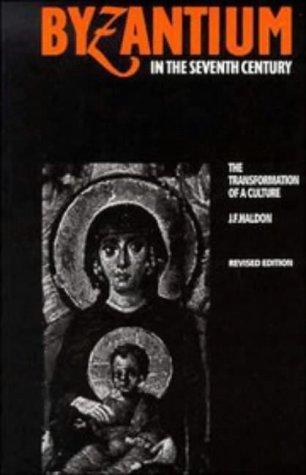
[Το Βυζάντιο κατά τον Έβδομο Αιώνα: Η Μεταμόρφωση μιας Κουλτούρας],
Cambridge University Press 1997,
pp./σσ. 337-348.