.jpg)
+p.+212.jpg)
[Προς έναν Ορισμό του Αντισημιτισμού],
University of California Press, 1996,
p./σ. 212.

* Hans Conzelmann,
Gentiles, Jews, Christians:
Polemics and Apologetics in the Greco-Roman Era
[Εθνικοί, Ιουδαίοι, Χριστιανοί:
Πολεμική και Απολογητική στην Ελληνορωμαϊκή Εποχή],
Fortress Press, 1992,
p./σ. 137.
«It has been suggested that the first reference to the Jews in Italy, the expulsion of Jewish missionaries from Rome in 139 B.C.E., maybe taken as proof that some syncretistic Jews from Asia Minor responded positively to the pagan concept of theocrasy and propagated in Rome a syncretistic cult of Jupiter Sabazius. However, the evidence for this is anything but unequivocal. The only witness is Valerius Maximus (beginning of the first century C.E.), whose full text is not preserved but has come down to us only in two epitomes, one by Iulius Paris (fourth century C.E.?) and one by Ianuarius Nepotianus (fourth-fifth century C.E.?). According to Paris' epitome, "Cn. Cornelius Hispalus, praetor peregrinus in the year of the consulate of P. Popilius Laenas and L. Calpurnius,... compelled the Jews, who attempted to infect the Roman customs with the cult of Jupiter Sabazius (qui Sabazi Iovis cultu Romanos inficere mores conati erant), to return to their homes."
Sabazius was a Phrygian god whose orgiastic cult came to Athens as early as the fifth century B.C.E. and who is very well attested in the imperial period. He was identified with Dionysus and, in Asia Minor, with Zeus-Jupiter. The equation of the Jewish God with Jupiter Sabazius no doubt was facilitated by the similarity of "Sabazius" with either "Sabaoth" or "Sabbath," and those who are in favor of a Jewish syncretistic cult point to Asia Minor as the fertile soil of Jewish-pagan blends and to the possibility that the expulsion of the "heterodox Jews" from Rome was arranged by Simeon the Maccabee's delegation to Rome, which allegedly visited Rome in 139 B.C.E. This is, however, mere conjecture, and especially the latter argument is invalidated for chronological reasons. It seems most likely, then, that the "Jupiter Sabazius" is either a corruption of "lao Sabaoth" by Valerius Maximus' source (or by the epitomist Iulius Paris or his medieval copyists respectively) or another piece of evidence for the pagan attempt to identify the Jewish God with Jupiter, the highest God of the Roman pantheon. From a historical point of view it is more probable that the Jews tried to introduce their "original" Jewish cult in Rome and that later on, either by Valerius Maximus or by his source, this cult was identified with the one of Jupiter Sabazius.»


Jewish cemetery at Zakynthos (Zante) /
Εβραϊκά κοιμητήρια στη Ζάκυνθο«Σολω(ο)μός (Πάνορμο και Ρούμελη Μυλοποτάμου) και σημ. Βενετ. Salamon. Και στη Ζάκυνθο Σαλαμόν οικ. εβρ. 1687.
Η οικογένεια των Salomon κατάγεται από το Salerno και είναι από πολύ παλιά και ευγενική γενιά. Πήγαν πρώτα στο Torcello και ύστερα ήλθαν στη Βενετία. Είχαν τίτλους ευγενείας και ήσαν μεταξύ των πατρικίων. Διάφορα οικόσημα έχουν πολλές οικογένειες των Salamon. Και εδώ παρουσιάζεται πρόβλημα.
Από το 1271 μέχρι το 1356 τουλάχιστον, οι Salamon που μαρτυρούνται στην Κρήτη είναι εβραίοι και αναφέρονται απλά χωρίς τίτλους μισέρ, ευγενέστατος, εκλαμπρότατος όπως μετά το 1580. Άλλοι ήσαν οι Salamon της Κρήτης (εβραίοι) και άλλοι της Βενετίας απ' όπου προέρχονται οι ευγενείς Salamon της Κρήτης, (ακόμη και Δούκας υπήρξε Salamon) ή μήπως πρόκειται για εβραίους που εξαγόρασαν τους τίτλους από τη Γαληνοτάτη, πράγμα πού συχνά γινόταν σε ώρες οικονομικών δυσχερειών; Για πλούσιες εισφορές των εβραίων της Κρήτης γράφει ο F. Thiriet. [...]»

«Count Dionysio Salomon, the natural son of a petty Venetian nobleman, probably of Cretan-Jewish origin, born under French republican occupation at Zante in 1798, next tossed among Russian, Turkish and Napoleonic imperialism as well as Italian and Greek nationalism, then shaken into poetic action by the proximity of Byron and by the cannonade of revolutionary Missolonghi, and finally drinking himself to death as a disappointed British subject in Corfu.
Solomos, as he eventually decided to call himself, was a gentleman and a poet equally fluent in Italian and Greek; his well-educated memory retained most of the Greek and Latin—and Italian—classics by heart, as well as The Erotokritos. In his early maturity he took Byron as a model (through Italian translations) and achieved facile international fame for his "Hymn to Liberty" which provided the lyrics for the national anthem adopted, after Solomos's death, by the second foreign dynasty of Greece.Of course, Solomos's ambitions were of a very different caliber, not untainted by German metaphysics—as was Coleridge, to whom he has sometimes been superficially compared. Witness this working note, scribbled in the margin of his magnificent failure to write a metaphysical poem on what he called The Free Besieged of Missolonghi.»
[«Ο Κόμης Διονίσιο Σάλομον, ο φυσικός γιος ενός άσημου Βενετού ευγενούς, πιθανώς κρητοεβραϊκής καταγωγής, ...»]

«If more specialized testimonies are required, here is the considered opinion of the first scholar to have taught medieval and modern Greek at Cambridge, Romilly Jenkins: "The Byzantine Empire remains almost the unique example of a highly civilized state, lasting for more than a millennium, which produced hardly any educated writing which can be read with pleasure for its literary merit alone."»
[«Αν απαιτούνται πιο εξειδικευμένες μαρτυρίες, αυτή είναι μια αξιοσημείωτη άποψη του πρώτου λόγιου που δίδαξε μεσαιωνική και νεωτερική Ελληνική στο Κέμπριτζ, του Ρόμιλι Τζένκινς: "Η Βυζαντινή Αυτοκρατορία παραμένει σχεδόν το μοναδικό παράδειγμα κράτους με υψηλό πολιστισμό, διάρκεια μίας χιλιετίας και πλέον, το οποίο δεν παρήγαγε σχεδόν κανένα μορφωτικό σύγγραμμα το οποίο να μπορεί να διαβαστεί ευχαρίστως με βάση τα φιλολογική του αξία και μόνο».]

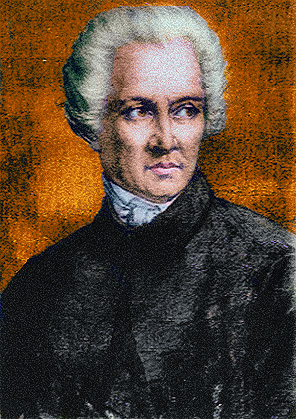
«A Cretan scholar has suggested that Dionysios Solomos, the famous nineteenth-century Greek poet, was the scion of a Jewish family of Crete bearing this name [i.e. Salomo[n]/ de Salomon/ de Solomo]. See Σπανάκη, "Η οικογένεια των Σολομών", 445-451.»
[«Ένας Κρητικός λόγιος έχει εισηγηθεί ότι ο Διονύσιος Σολωμός, ο διάσημος Έλληνας ποιητής του δεκάτου ενάτου αιώνα, ήταν γόνος Ιουδαϊκής οικογένειας της Κρήτης που έφερε αυτό το όνομα [δηλ. Salomo[n]/ de Salomon/ de Solomo]. Βλέπε Σπανάκη, "Η οικογένεια των Σολομών", 445-451».]
* Benjamin Arbel,
«The List of Able-Bodied Jews in the Cretan Town of Chania (Canea), 1536»
[«Η Λίστα των Ακμαίων Ιουδαίων στην Κρητική Πόλη των Χανίων το 1536»]
Δημοσίευση της Συναγωγής Etz Hayyim,
12 Μαΐου/May 12, 2002, p./σ. 8.
[English/Αγγλικά PDF]
See/Βλέπε Στέργιου Γ. Σπανάκη / Stergios Spanakis, #
«Η οικογένεια των Σολομών της Κρήτης», #
Κρητικά Χρονικά, Τόμος ΙΒ' 1958,
Εταιρία Κρητικών Ιστορικών Μελετών,
pp./σσ. 445-451.
«The very logistics of reading and writing Hebrew foster interpretation: Since the vowel formats of Hebrew are relatively fixed, Hebrew can be written without vowel signs. Vowel signs, in fact, are absent from Hebrew texts, ancient and modern. Vowel signs were devised only in the 8th Century to preserve the proper Hebrew pronunciation of sacred texts, and they are used today only in poetry or in teaching texts, or when needed to dispel ambiguity. To read, the mature Hebrew reader inserts the vowels mentally into the text, on the fly. But how does the reader know which vowels to insert when he or she sees an otherwise unpronounceable set of consonants? A particular set of consonants could have different meanings with different sets of vowels. Some ancillary consonants are used to indicate certain vowels in Hebrew words, but for the most part, the reader’s mind chooses the right vowels by reading the context of the whole phrase, sentence or subject matter. Let me furnish you with a hypothetical example from English: consider the consonants RD; how would you know whether the word should be read as ReaD, RiD, ReeD, ReD, RoDe, RaiD, RuDe, RiDe? You could do it, but you would have to know more about the context; RD instruments are never colored RD; you RD the horse; you RD the book. I’m sure you had no problem with the foregoing. A closer analogy to reading Hebrew would look like this: RD NSTRMNTS R NVR CLRD RD; Y RD TH HRS; Y RD TH BK.
Now note this: The meanings of any word in any language are colored by the context in which the word is used. But in Hebrew (and Aramaic), even the phonetics of a word depend on its context. You can say an isolated English word, but you cannot voice a naked Hebrew word without perceiving or inventing some context that suggests which vowels to use. You can read English thoughtlessly without interpreting it. Reading Hebrew, in contrast, is interpreting Hebrew. A Hebrew text must be interpreted to be read. Any Hebrew text engages the mind, even at first glance. Maybe that’s why many Hebrew texts became sacred.
The room for interpretation provided by Hebrew can be better appreciated when we consider what the Greeks did to the Hebrew (Phoenician) alphabet when they imported it into Europe. The early Greek alphabet was a modification of the original Semitic alphabet used by the Hebrews and Phoenicians (ancient Phoenician was very close to Biblical Hebrew). Now this original Semitic alphabet contained the twenty-two letters present in modern Hebrew, all consonants; none of the letters were vowels. The Greek alphabet (and the Latin and other alphabets derived from the Greek alphabet) all contain vowels; where did they come from? Well, it seems that the Greeks created the vowel signs A, E and O by converting three letters that originally represented Semitic guttural consonants not present in Greek. I and U were converted into vowels from other Semitic consonants. In essence then, the Greeks made the alphabet completely phonetic by doing away with the ambiguity inherent in written Hebrew. You could then read Greek—and so can now read English—without having to interpret the context of the words, as you must do to this very day when you read Hebrew. The Greeks thus added a significant level of clarity to the Semitic alphabet, on its way to becoming a Greek alphabet. How classically Greek to endow writing and reading with transparent meaning at the phonetic level. Greek logic only had room for true and false; mathematics, for Plato, was the only true language. The Greek philosophers did not leave any corners of reality in darkness; all was illuminated. (Obviously, I have oversimplified Greek culture, but only to make a contrasting point about the Hebrew and Talmudic views of reality; Sophocles and other Greek poets, like poets in every culture, were quite familiar with the ambiguity of human language and with the dark mystery of human desires. Despite the running commentary provided by the Chorus, Greek plays do leave room for interpretation.)
But of course, there is no free lunch. In dispelling the ambiguity of the written word, the Greeks destroyed some of the mystery of context and much of the need for primary interpretation. Reading became more a technology and less an art of the reader. Auerbach, in comparing Homer with Genesis, emphasizes the unambiguous surface clarity of the Greek text compared to the mystery of the Hebrew text that invites, even demands interpretation—see Erich Auerbach, Mimesis: The Representation of Reality in Western Literature, cited above [§3]. Thus, the Greek quest for clarity (and distaste for dark interpretation) included even the symbolic domain of the alphabet. The Hebrew alphabet had to be clarified and completed by Greek vowel signs.
The Rabbis, by way of contrast to the Greeks, loved to unleash the literal words of the Torah for new interpretations by proposing alternative vowel readings at key points in the text. By changing the vowels, the Rabbis could change the meaning of the words; in Hebrew you can easily exchange children and builders [banim versus bonim] by fiddling with the unwritten vowels. Thus the context of a Hebrew sentence not only determines the vowels of a word, the vowels of a single Hebrew word can determine the contextual meaning of a whole Hebrew sentence. To provide an opening for an apt interpretation, the Rabbis, albeit rarely, will even switch root consonants. How un-Greek; how Talmudic. [...]
Indeed, Hebrew reality is essentially linked to spoken language. Examples abound. The Hebrew word for Scripture is miqra; miqra does not mean writing (script=scripture), but reading, speaking, calling. The English word book derives from a writing tablet; a book in English is physical. The Hebrew word for book is sefer; the root of sefer, S-F/P-R, denotes telling or saying , and not the physical document. Thus the essence of theHebrew book is not to write it or to read it, but to tell it and to hear it. Hebrew understanding too is verbal: A command to hear is shma, and a command to understand is also shma. The Hebrew word for meaning (mashmaut: literally, it makes us hear) is derived from this same shma that denotes both hearing and understanding».


«Yahweh’s revelation on Mount Horeb is a powerful theme in the Jewish
Scripture, and in this paper I shall address the question of whether something of the
revelation of Yahweh’s name to Moses, the second founding father of Judaism after
Abraham, was known to the Greeks, and how they perceived Moses and Yahweh».
[«Η αποκάλυψη του Ιαχβέ στο Όρος Χωρήβ αποτελεί ισχυρότατο θέμα στις Ιουδαϊκές Γραφές, και σε αυτή τη μελέτη θα διερευνήσω το ζήτημα του κατά πόσον η αποκάλυψη του ονόματος του Ιαχβέ στον Μωυσή, τον δεύτερο βασικό πατέρα του Ιουδαϊσμού μετά τον Αβραάμ, ήταν γνωστή στους Έλληνες, και το πώς αντιλαμβάνονταν τον Μωυσή και τον Ιαχβέ».]
«Ο ελληνικός πολιτισμός με την τεράστια δημιουργική, εκφραστική και αφομοιωτική του δύναμη έστω και εάν κλόνισε προς στιγμήν το κατεστημένο των μεγάλων αυτοκρατοριών της Ανατολής, εντούτοις κατάφερε να συνυπάρξει μαζί τους, αφού τουλάχιστον στο επίπεδο της θρησκείας και της μεταφυσικής είχε μαζί τους ταυτόσημες πολυθεϊστικές απόψεις και δοξασίες. Μεταξύ του Ιουδαϊσμού, όμως, και του Ελληνισμού, δυο πολιτισμών που επιβίωσαν μέχρι σήμερα μέσα από τη δίνη του πανδαμάτορα χρόνου, υπήρχε εντελώς διαφορετική θεολογία, ανθρωπολογία, κοσμολογία και πολιτική ιδεολογία. Εν προκειμένω ισχύει μερικώς η ρήση του Τερτυλιανού: Ποια σχέση μπορεί να υπάρξει μεταξύ Αθηνών και Ιεροσολύμων - Quid ergo Athenis et Hierosolymis?
Ο Abram Leon Sachar περιγράφει τις διαφορές μεταξύ των δυο λαών με τον εξής παραστατικό τρόπο: "Ο Ιουδαίος ρωτούσε ‘τι πρέπει να κάνω;’, ενώ ο Έλληνας ρωτούσε ‘γιατί πρέπει να το κάνω;’ [..] η πρωταρχική ιδέα για τον Έλληνα ήταν να δει τα πράγματα όπως ήταν στην πραγματικότητα. η πρωταρχική ιδέα για τον Ιουδαίο ήταν η συμπεριφορά κι η υπακοή. Ο Ιουδαίος πίστευε στην ομορφιά της ιερότητας, ενώ ο Έλληνας στην ιερότητα της ομορφιάς". Και καταλήγει: "η εγκόσμια ζωή θα είχε εξιδανικευτεί αν είχε αναπτύξει ταυτόχρονα το διακαή πόθο για την κοινωνική δικαιοσύνη ενός Αμώς ή Ησαΐα και την καθαρά σοφία ενός Σωκράτη ή Πλάτωνα, τον ηθικό ενθουσιασμό ενός Ιερεμία και την καλλιτεχνική ευφυία ενός Πραξιτέλη. Δυστυχώς το καλύτερο στοιχείο του Ελληνικού πνεύματος δε συναντήθηκε με το καλύτερο στοιχείο του ιουδαϊκού πνεύματος"».
«Ο Φίλωνας αντλεί από τους Πυθαγόρειους, τον Αριστοτέλη, τους Σκεπτικιστές και τους Στωϊκούς και δημιουργεί ένα δεσμό μεταξύ Ιουδαϊσμού και Ελληνισμού. Συνδέει επίσης Ιουδαϊσμό και Χριστιανισμό. Έχει επιδράσει στον Ιουστίνο και στους μεγάλους χριστιανούς της Αλεξάνδρειας, Ωριγένη και Κλήμεντα, καθώς και στον άγιο Αμβρόσιο Μεδιολάνων. Το σημαντικό είναι στη θεολογία του ότι μεταφράζει την Παλαιά Διαθήκη με τους όρους της ελληνικής φιλοσοφίας. Οι όροι «πνεύμα», «απόρροια», «υετοί», «σπέρματα», «λόγος» είναι ισοδύναμοι, γιατί όλοι αυτοί εξυπονοούν γι’ αυτόν ελληνική φιλοσοφία, μας ενημερώνει ο Μητροπολίτης Μεθόδιος Φούγιας (μνημονευθέν έργο του, σελ. 143-144).
Ο σκοπός της χριστιανικής φιλοσοφούσας διανόησης ήταν η σύνθεση Ελληνισμού – Χριστιανισμού επί τη αποδείξει των αληθειών της χριστιανικής αποκάλυψης. Για το σκοπό αυτό επιστρατεύθηκαν σπουδαίοι Απολογητές του Χριστιανισμού με σπουδές στα εθνικά κέντρα της εποχής και απόφοιτοι φιλοσοφικών σχολών. Οι απολογητές αντλούν τα επιχειρήματά τους από τη Στωική φιλοσοφία, τους Επικούρειους, το Νεοπλατωνισμό και τους Κυνικούς. Βγαίνουν δε σε διάλογο με τον εθνικό κόσμο υπερασπιζόμενοι τη νέα θρησκεία με τη βοήθεια των Ελλήνων φιλοσόφων, των οποίων όχι ολίγες αντιλήψεις αναγνωρίζουν ότι προέρχονται με τη μεσολάβηση του Πνεύματος Θεού από το χώρο της όντως αλήθειας».
«Σε αντίθεση με τον Πλατωνισμό, ο άνθρωπος στην Εβραϊκή Βίβλο εκλαμβάνεται εξολοκλήρου ως ον υλικό, πλασμένο από χώμα της γης. Ο ανθρώπινος θάνατος στην Εβραϊκή Βίβλο, ως αποτέλεσμα της αμαρτίας, θεωρείται εχθρός, σημαίνει αποσύνθεση, αδράνεια και έλλειψη συνειδητότητας. Ως εκ τούτου, πουθενά στις Εβραϊκές Γραφές δεν θα διαβάσουμε ότι οι ευσεβείς άνθρωποι έχουν την ελπίδα να πάνε στον ουρανό ή σε κάποιο άλλο μέρος μακαριότητας μετά τον θάνατό τους. Απεναντίας, εφόσον ο θάνατος είναι πράγματι το αντίθετο της ζωής, και όχι ένα πέρασμα για την ουράνια μακαριότητα, το αντίδοτο του θανάτου δεν θα μπορούσε παρά να είναι η ανάσταση των νεκρών. Η ανάσταση των νεκρών—και μάλιστα με την προοπτική της αιώνιας ζωής—είναι που προβάλλεται στις Εβραϊκές Γραφές ως η ελπίδα και η ανταμοιβή για τους ευσεβείς και δίκαιους ανθρώπους. Αυτές οι εσχατολογικές προσδοκίες σχετίζονταν με αυτό που αποκαλεί η Encyclopaedia Judaica ως «επιστροφή στην αρχική ειρήνη και χαρά του Κήπου της Εδέμ πριν από την αμαρτία του Αδάμ», δηλαδή με την αποκατάσταση του χαμένου επίγειου παραδείσου, η οποία θα επιτυγχανόταν υπό τη βασιλεία του πολυαναμενόμενου Μεσσία. Όσο για τους πονηρούς που καταδικάζονται από τον Θεό, η κατάληξή τους είναι εκμηδένιση, η οποία παρομοιάζεται σαν τη φωτιά που κατατρώει την καλαμιά, σαν το σκόρπισμα του άχυρου από τον άνεμο ή σαν το ξερίζωμα ενός φυτού».


