.

Showing posts with label ΘΡΗΣΚΕΥΤΙΚΟΙ ΔΙΩΓΜΟΙ ΙΟΥΔΑΙΩΝ. Show all posts

Saturday, November 30, 2013

Έκθεσις
περί του πώς δει δέχεσθαι
τον εξ Ιουδαίων προσερχόμενον
τη πίστει των Χριστιανών /

Recantation of the Jewish religion
that a former Jew have to make
so as to be baptized
as an Orthodox Christian


Λίβελλος ἀποκηρύξεως
τῆς ἰουδαϊκῆς θρησκείας

῞Οπως ὀφείλει ὁμολογεῖν τὸν ἐξ Ἰουδαίων
προσερχόμενον τῇ πίστει τῶν Χριστιανῶν


᾿Εγὼ
( δεῖνα), ἐξ Ἑβραίων σήμερον προσιὼν τῇ πίστει τῶν χριστια­νῶν οὐ διά τινα βίαν ἀνάγκην φόβον ἐπήρειαν πενίαν χρέος ἔγ­κλημα κατἐμοῦ κινούμενον, διὰ τιμὴν κοσμικὴν δι᾿ εὐεργε­σίας τινὰς κτήματα χρήματα παρά τινος ὑπισχνούμενα, διὰ οἱανδή­ποτε ὠφέλειαν προστασίαν ἀνθρωπίνην δι᾿ ἔριν φιλονεικίαν πρός τινα τῶν ὁμοφύλων καὶ ὁμοπίστων μου, ὡς βουλόμενος ἐντεῦθεν ἀμύνασθαι χριστιανοῖς ὡς δῆθεν ζηλωτὴς τοῦ νόμου· ἀλλὡς ἐξ ὅλης ψυχῆς καὶ καρδί­ας τὸν Χριστὸν ἀγαπήσας καὶ τὴν αὐτοῦ πίστιν, ἀποτάσσομαι πάσῃ τῇ ἑβραϊκῇ θρησκείᾳ καὶ τοῖς νομίμοις πᾶσι, καὶ περιτο­μῇ καὶ ἀζύ­μοις καὶ τῷ ἰουδαϊκῷ πάσχα καὶ τῇ θυσίᾳ τοῦ ἀμνοῦ καὶ τῇ τῶν ἑβδομάδων ἡμερῶν ἑορτῇ καὶ τῷ ἐκείνων Ἰωβηλαίῳ καὶ ταῖς πλάστιγξι καὶ τῷ ἱλασμῷ καὶ ταῖς σκηνοπηγίαις, καὶ ταῖς λοιπαῖς ἁπάσαις ἑορταῖς τῶν Ἑβραίων, σὺν ταῖς θυσίαις αὐτῶν καὶ ταῖς προσευχαῖς καὶ τοῖς ῥαντισμοῖς καὶ καθαρισμοῖς καὶ ἁγνισμοῖς, καὶ ταῖς νηστείαις αὐτῶν καὶ τοῖς σάββασι καὶ ταῖς νεομηνίαις, καὶ τοῖς βρώμασιν αὐτῶν καὶ τοῖς πόμασι· καὶ ἁπλῶς ἀποτάσσομαι παντὶ ἰουδαϊκῷ νομίμῳ καὶ ἔθει καὶ ἐπιτηδεύματι.

Καὶ ἐπὶ τούτοις ἀναθεματίζω τὰς παρ’ Ἰουδαίων αἱρέσεις, καὶ τοὺς αἱρετικοὺς Σαδδουκαίους, οἵτινες τὸ πνεῦμα τὸ ἅγιον βλασφημοῦσι καὶ τὴν τῶν νεκρῶν ἀνάστασιν ἀθετοῦσι. καὶ τοὺς ἄλλους ἀποβάλλομαι, φαρι­σαίους τοὺς ἀφωρισμένους, οἳ κατὰ δευτέραν καὶ πέμπτην νηστεύουσι καὶ παρθενίαν ἐπὶ καιροὺς ὑποκρινόμενοι, μετὰ δὲ ταῦτα λύουσι πᾶσαν ἐγ­κράτειαν ἀσώτως καὶ ἀκορέστως· δοξάζουσι δὲ καὶ εἱμαρμένην καὶ τῇ ἀστρολογίᾳ σχολάζουσι. Νασσαραίους τοὺς ἀφανιστάς, οἳ τὸν περὶ θυσιῶν οὐ παραδέχονται Μωσέως νόμον, καὶ διὰ τοῦτο ἐμψύχων ἀπέχονται καὶ ὅλως οὐ θύουσι. Χοσσαίους τοὺς ἰταμωτά­τους, οἳ γραφαῖς ἑτέραις παρὰ τὸν Νόμον χρώμενοι, τοὺς πλείους τῶν Προφητῶν ἀποβάλλουσι, διδάσκα­λον δὲ αὐτῶν ἔχουσιν ἄνθρωπόν τινα Ἀλλεξάην καλούμενον (εἴτουν «δύνα­μιν κεκαλυμμένην»), καὶ τὴν Μαραθὼ καὶ Μαρθάνην, τὰς ἀπὸ τοῦ γένους αὐτῶν καταγομένας, ἃς καὶ ὡς θεὰς τιμῶσιν οἱ ἡρῳδιανοί, οἵ τινες καὶ τὸν ἀλλόφυλον βασιλέα τῶν Ἰουδαίων Ἡρῴδην τὸν σκωληκόβρωτον ὡς Χρι­στὸν δοξάζουσιν. ἡμεροβαπτιστάς, οἳ τὰ αὐτὰ φρονοῦσι τοῖς φαρισαίοις καὶ ἔτι κατὰ προσθήκην δογματίζουσι τὸ «μὴ δύνασθαι ἄνθρωπον σωθῆ­ναι, εἰ μὴ καθ’ ἑκάστην ἡμέραν βαπτίζεται ῾Ρωματοῖς», καὶ οὐ θέλουσι κατὰ νόμον ζῆν, ἀλλὰ περισσεύειν αὐτοὺς ξεστῶν καὶ ποτηρίων καὶ πινακίων καὶ ἄλλων σκευῶν τοῖς βαπτισμοῖς ἁρμοδίων, καὶ πυγμῇ τὰς χεῖρας νίπτειν, καὶ κατασκευὴν πλύνειν ἐννοοῦσι, καὶ ἁπλῶς ἰδίας παραδό­σεις πολλὰς τῷ Νόμῳ προστιθέντες, δευτερώσεις αὐτὰς καλοῦσιν, οἷον δευτέρας θεοῦ νομοθεσίας· καὶ τὴν μὲν πρώτην ψευδῶς ἀναφέρουσι (παρε­ξηγοῦντες) εἰς τὸν Μωσέα, τὴν δὲ δευτέραν εἰς τὸν ῥαββὶ Ἀκιβᾶν, καὶ τὴν τρίτην (ὡς λέγουσιν) εἰς Ἄνναν καὶ Ἰούδαν, τὴν δὲ τετάρτην εἰς τοὺς υἱοὺς τοῦ Νασσαμοναίου, οἵ τινες καὶ τὸ σάββατον ἐν τοῖς πολέμοις ἠθέτησαν. ταύτας οὖν τὰς ἰουδαϊκὰς αἱρέσεις πάσας ἀναθεμα­τίζω καὶ τοὺς αἱρεσιάρ­χας αὐτῶν καὶ τοὺς δευτε­ρωτὰς καὶ τὰς δευτερώσεις τοῦ Ταλμούθ.

Σὺν τούτοις δὲ ἀναθεματίζω καὶ τοὺς τὴν ἑορτὴν ἐπιτελοῦντας τοῦ λεγομένου Μαρδοχαίου, κατὰ τὸ πρῶτον σάββατον τῶν χριστιανικῶν νη­στειῶν. ξύλῳ γὰρ δῆθεν τὸν ἀμνὸν προσηλοῦντες, εἶτα μιγνύντες αὐτῷ τῷ τοῦ σταυροῦ σημείῳ κατακαίουσιν, ἐπιλέγοντες καί τινας ἐπῳδάς· τὴν δὲ στάκτην ἐκείνου κατέχουσιν εἰς ἀποτροπὴν (ὡς οἰόνται) ῥίγους καὶ πάσης ἄλλης ἀρρωστίας.

Ἔτι ἀναθεματίζω καὶ τοὺς κατὰ τὸν ἰούλιον μῆνα τὴν ἀνάμνησιν ἑορ­τάζοντας τῶν λεγομένων παρ’ αὐτοῖς «λυπηρῶν», εἴτουν τῆς ἁλώσεως ᾿Ιερουσαλὴμ ὑπὸ τοῦ Τίτου, κόνιν ταῖς κεφαλαῖς αὐτῶν ἐπιβάλλοντας καὶ νήστεις διατελοῦντας ἐφ’ ὅλον τὸ νυχθήμερον ἐκεῖνο, καὶ μετὰ μυρίων ὀδυρμῶν ἐπιφωνοῦντας ἑαυτοῖς τὸ «Οὐαὶ οὐαί».

Ἔτι ἀναθεματίζω πάντας τοὺς τὴν τοῦ Ἠλειμμέ­νου (μᾶλλον δὲ τὴν τοῦ ᾿Αντιχρίστου) προσδοκῶν­τας ἔλευσιν, ὃν καὶ τράπεζαν αὐτοῖς ἑτοιμάσειν μεγίστην ἐλπίζουσι, καὶ προσθήσειν εἰς ἑστίασιν τὸν τε Ζὶζ καὶ τὸν Μεγχεμὼθ καὶ τὸν Λευϊαθάν. εἶναι δέ, λέγουσι, τὸν μὲν Ζὶζ πτηνόν τι ζῷον, τὸν δὲ Μεγχεμὼθ τετράπουν, καὶ τὸν Λευϊαθὰν λέγουσιν ἐνάλιον· οὕτω μέγιστα καὶ πλήθον­τα ταῖς σαρξίν, ὥστε ἀρκεῖν ἕκαστον εἰς τροφὴν μυριάσιν ἀνθρώπων ἀπείροις.

Ἔτι ἀναθεματίζω πᾶν ἑβραϊκὸν ἔθος καὶ ἐπιτήδευμα μὴ παραδεδομέ­νον παρὰ Μωσέως, καὶ πᾶσαν αὐτῶν γοητείαν καὶ ἐπῳδὴν καὶ κληδωνι­σμὸν καὶ τελετάς, καὶ τὰ περιάμματα καὶ φυλακτήρια.

Ἔτι ἀναθεματίζω πάντα «ῥεμπὶ» (ἢ «ῥαμπὶ» ἢ «ῥαββὶ») παρὰ τὸν μωσαϊκὸν Νόμον διδάξαντα ἢ διδάσκοντα, καὶ πάντας τοὺς λεγομένους παρ’ αὐτῶν «ἀρχιφερεκίτας» (ἢ «ἀρχιρραββίτας» καὶ διδασκάλους), ὧν τὰς διδαχὰς «πατρικὰ» καλοῦσιν. ἀναθεματίζω πρὸς τοῖς παλαιοῖς «ἀρ­χιρραββίτας» τοὺς παρὰ τὸν νόμον διδάξαντας καὶ τοὺς νέους τῶν Ἰουδαί­ων διδασκάλους, Λάζαρον, φημί, τὸν τὴν ἄθεσμον ἑορτὴν ἐξευρόντα τὴν λε­γομένην παρ’ αὐτοῦ «μονοποδαρίαν», καὶ Ἠλίαν τὸν ἐκείνου κατὰ τὴν ἀσέβειαν οὐκ ἐλάττονα, Βενιαμίν τε καὶ Ζεβεδαῖον, Ἀβράμιον καὶ Συμπλί­κιον καὶ τοὺς λοιπούς. καὶ ἐπὶ πᾶσι τούτοις ἀναθεματίζω καὶ καταναθε­ματίζω τὸν παρὰ Ἰουδαίων προσδοκώμε­νον ὡς Χριστὸν ἐλεύσεσθαι Μεσσί­αν, εἴτουν Ἠλειμμένον· μᾶλλον δὲ ἀντίχριστον ἐκεῖνον εἶναι ὁμολογῶ, καὶ ἀποτάσσομαι αὐτῷ.

Ἀποτασσόμενος δὲ τὰ ἰουδαϊκὰ πάντα τὰ σκιώδη καὶ πεπερασμένα, συντάσσομαι τῷ ἀληθινῷ θεῷ καὶ μόνῳ Χριστῷ, καὶ πιστεύω εἰς πατέρα υἱὸν καὶ ἅγιον πνεῦμα, τὴν ἁγίαν ὁμοούσιον καὶ ἀδιαίρετον τριάδα. καὶ τὴν ἔνσαρκον οἰκονομίαν καὶ τὴν πρὸς ἀνθρώπους ἐπιδημίαν ὁμολογῶ τοῦ τῆς ἁγίας τριάδος ἑνὸς μονογενοῦς υἱοῦ καὶ Λόγου τοῦ θεοῦ, τοῦ ἐκ τοῦ πατρὸς πρὸ πάντων τῶν αἰώνων γεννηθέντος, δι᾿ οὗ τὰ πάντα ἐγένετο. αὐτὸν ὑπάρχειν πιστεύω τὸν παρὰ τοῦ Νόμου καὶ τῶν Προφητῶν προκη­ρυχθέντα Μεσσίαν· ὃν καὶ ἢδη ἐλθόντα ἐπὶ γῆς πληροφοροῦμαι διὰ τοῦ ἀνθρωπίνου γένους τὴν σωτηρίαν καὶ γενέσθαι κατὰ ἀλήθειαν ἄνθρωπον, μὴ ἐκστάντα τῆς οἰκείας θεότητος, καὶ εἶναι αὐτὸν θεὸν ἀληθῶς καὶ ἄν­θρωπον ἀληθῶς, ἀσυγχύτως, ἀτρέπτως καὶ ἀναλλοιώτως, ἐν ὑποστάσει μιᾷ καὶ δύσι φύσεσιν· ἑκουσίως τὰ πάντα παθεῖν καὶ σταυρωθῆναι σαρκί, τῆς θεότητος ἀπαθοῦς μεινάσης, καὶ ταφῆναι καὶ τριήμερον ἀναστῆναι καὶ εἰς οὐρανοὺς ἀναληφθῆναι· ὃς καὶ ἥξει ἐν δόξῃ κρῖναι ζῶντας καὶ νεκρούς.

Καὶ τὴν κατὰ σάρκα τοῦτον τεκοῦσαν ἁγίαν παρθένον Μαρίαν, καὶ μείνασαν μετὰ τόκον παρθένον, κυρίως καὶ ἀληθῶς θεοτόκον πιστεύω καὶ λέγω, ὡς κατὰ ἀλήθειαν μητέρα θεοῦ ἐνανθρωπήσαντος, καὶ διὰ τοῦτο κυ­ρίαν καὶ δέσποιναν γεγενημένην πάσης τῆς κτίσεως.

Προσκυνῶ καὶ τιμῶ καὶ τὸν παρὰ χριστιανοῖς ἱερουργούμενον ἄρτον καὶ οἶνον, ὃν ἐν ταῖς θείαις τελεταῖς μετα­λαμ­βάνουσι. πείθομαι καὶ ὁμο­λογῶ καὶ πιστεύω σάρκα καὶ αἷμα κατὰ ἀλήθειαν εἶναι τοῦ Κυρίου Ἰησοῦ Χριστοῦ, μεταβαλλόμενον τῇ ἐκείνου θεϊκῇ δυνάμει ὑπὲρ πᾶσαν φυσικὴν ἔννοιαν, ὡς οἶδε μόνος αὐτός· καὶ οὕτω κἀγὼ μεταλήψεσθαι τούτων τῶν μυστηρίων συντίθεμαι, εἰς ἁγιασμὸν ψυχῆς τε καὶ σώματος καὶ εἰς ζωὴν τὴν αἰώνιον καὶ βασιλείας οὐρανῶν κληρονομίαν, ἣν χαρίζεται τοῖς ἐξ αὐτῶν τῶν μυστηρίων ἐν πίστει τελείᾳ μετέχουσι καὶ μεταλαμβάνουσι.

Καὶ τὸ ἅγιον τοῦ Χριστοῦ βάπτισμα μετὰ καθαρᾶς καὶ ἀδόλου ψυχῆς καὶ καρδίας καὶ πίστεως εἰλικρινοῦς ἐπιζητῶ δέξασθαι, πληροφορούμενος ἀληθῶς κάθαρσιν αὐτὸ νοητὴν εἶναι καὶ ἐξάλειψιν τοῦ προπα­τορικοῦ ἁμαρτήματος καὶ ἀναγέννησιν ψυχῆς τε καὶ σώματος.

Καὶ τὸν σεβάσμιον δὲ σταυρὸν τοῦ αὐτοῦ ἀληθινοῦ Χριστοῦ καὶ θεοῦ ἡμῶν ὡς οὐκέτι φθορᾶς ὄργανον καὶ ἀρᾶς, ἀλλ᾿ ἐλευθερίας καὶ ζωῆς αἰω­νίου καὶ σημεῖον τῆς κατὰ θανάτου καὶ τοῦ διαβόλου νίκης· ἔτι δὲ καὶ τὰς σεβασμίας εἰκόνας τῆς τε μετὰ σαρκὸς πρὸς ἀνθρώπους ἐπιφανείας τοῦ θεοῦ Λόγου, καὶ τῆς ἀφράστως αὐτὸν τεκούσης ἁγνῆς παρθένου καὶ θεοτό­κου καὶ τῶν θεοειδῶν ἀγγέλων καὶ τῶν ἁγίων πάντων, ὡς σύμβολα τῶν πρωτοτύπων καὶ δέχομαι καὶ τιμῶ καὶ σχετικῶς προσκυνῶ καὶ ἀσπάζομαι. αὐτοὺς δὲ τοὺς ἱεροὺς ἀγγέλους καὶ τοὺς ἁγίους πάντας, οὐ μόνον προπά­τορας καὶ προφήτας ἀλλὰ καὶ ἀποστόλους καὶ μάρτυρας καὶ ὁμολογητὰς καὶ διδασκάλους καὶ ὁσίους, καὶ πάντας ἁπλῶς τοὺς τῷ ἤδη ἐλθόντι Χρι­στῷ εὐαρεστήσαντας, ὡς δούλους ἐκείνου καὶ πιστοὺς θεράποντας τιμῶ καὶ σεβάζομαι διὰ τὴν πρὸς ἐκεῖνον τιμήν.

Καὶ ὄντως ἐξ ὅλης ψυχῆς καὶ καρδίας καὶ προαιρέσεως ἀληθοῦς προσ­έρχομαι ἀναγεννηθῆναι διὰ τῆς χάριτος τοῦ ἁγίου βαπτίσματος· καὶ χριστι­ανίσαι θέλω μετὰ πίστεως καὶ ἀγάπης πολλῆς, ἀποθέμενος τὸν παλαιὸν ἄνθρωπον τὸν φθειρόμενον καὶ ἐνδυσάμενος τὸν νέον τὸν ἀνακαινούμενον διὰ λουτροῦ παλιγγενεσίας.

Εἰ δὲ μεθ’ ὑποκρίσεως καὶ δόλου ταῦτα φημὶ καὶ οὐκ ἐκ πίστεως εἰλι­κρινοῦς καὶ ὁλοψύχου καρδίας τὸν ἥδη ἐλθόντα Χριστὸν ἀγαπώσης, ἀλλ’ ὡς βουλόμενος ἀμύνασθαι χριστιανοῖς, ἐντεῦθεν ὡς ζηλευτὴς τοῦ παλαιοῦ Νόμου, ἄρτι μὲν σχηματίζομαι χριστιανός, ὕστερον δὲ θελήσω ἀρνήσασθαι καὶ πρὸς τὴν ἰουδαϊκὴν ἐπιστρέψαι πάλιν θρησκείαν, ἢ εὑρεθῶ συνεσθίων τοῖς Ἰουδαίοις ἢ συνεορτάζων ἢ συνομιλῶν αὐτοῖς λάθρα καὶ τὸν χριστιανι­σμὸν καταβάλλων, ἢ πρὸς τὰς συναγωγὰς αὐτῶν καὶ προσευχὰς ἀπίων ἢ ἀνανεῶν ἢ περιποιούμενος ταύτας, καὶ οὐχὶ μᾶλλον φανερῶς ἐλέγχων τού­τους καὶ τὰς τούτων πράξεις καὶ ἀθετῶν τὴν ματαίαν πίστιν αὐτῶν καὶ θρησκείαν, νῦν ἔλθοιεν ἐπ᾿ ἐμὲ πᾶσαι αἱ κατάραι, ἃς ἐν τῷ Δευτερονομίῳ Μωσῆς ἔγραψε, καὶ ὁ τρόμος τοῦ Κάιν καὶ ἡ λέπρα τοῦ Γιεζῆ. πρὸς δέ, καὶ τὸ ταῖς ποιναῖς τῶν πολιτικῶν νόμων εἶναί με ὑπεύθυνον ἀπαραιτήτως. κατὰ δὲ τὸν μέλλοντα αἰῶνα εἴη μοι τὸ ἀνάθεμα, καὶ ἡ ψυχή μου ταχθείη με­τὰ τοῦ σατανᾶ καὶ τῶν πονηρῶν δαιμόνων ἐν πυρὶ ἀσβέστῳ καὶ σκότει ἐξωτέρῳ.

* Ιωάννης Καρμίρης,
Τα Δογματικά και Συμβολικά Μνημεία της Ορθοδόξου Καθολικής Εκκλησίας,
εν Αθήναις, 1953,
τόμ. 2, σσ. 1042-1046.


Sunday, January 8, 2012

The Fourth Council of the Lateran (1215)
& the religious persecution against Jews /

Η Τέταρτη Σύνοδος του Λατερανού (1215)
& οι θρησκευτικοί διωγμοί κατά των Εβραίων


Canon 68 / Κανόνας 68
(Mansi 22:984B)


CANON 67

Summary. Jews should be compelled to make satisfaction for the tithes and offerings e churches, which the Christians supplied before their properties fell into of the Jews.

Text. The more the Christians are restrained from the practice of usury, the more are they oppressed in this matter by the treachery of the Jews, so that in a short time they exhaust the resources of the Christians. Wishing, therefore, in this matter to protect the Christians against cruel oppression by the Jews, we ordain in this decree that if in the future under any pretext Jews extort from Christians oppressive and immoderate interest, the partnership of the Christians shall be denied them till they have made suitable satisfaction for their excesses. The Christians also, every appeal being set aside, shall, if necessary, be compelled by ecclesiastical censure to abstain from all commercial intercourse with them. We command the princes not to be hostile to the Christians on this account, but rather to strive to hinder the Jews from practicing such excesses. Lastly, we decree that the Jews be compelled by the same punishment (avoidance of commercial intercourse) to make satisfaction for the tithes and offerings due to the churches, which the Christians were accustomed to supply from their houses and other possessions before these properties, under whatever title, fell into the hands of the Jews, that thus the churches may be safeguarded against loss.


CANON 68

Summary. Jews and Saracens of both sexes in every Christian province must be distinguished from the Christian by a difference of dress. On Passion Sunday and the last three days of Holy Week they may not appear in public.

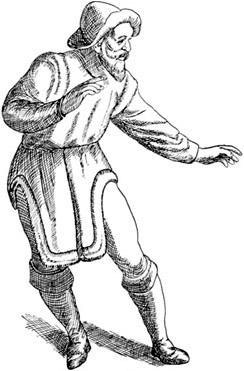
Text: In some provinces a difference in dress distinguishes the Jews or Saracens from the Christians, but in certain others such a confusion has grown up that they cannot be distinguished by any difference. Thus it happens at times that through error Christians have relations with the women of Jews or Saracens, and Jews and Saracens with Christian women. Therefore, that they may not, under pretext of error of this sort, excuse themselves in the future for the excesses of such prohibited intercourse, we decree that such Jews and Saracens of both sexes in every Christian province and at all times shall be marked off in the eyes of the public from other peoples through the character of their dress. Particularly, since it may be read in the writings of Moses [Numbers 15:37-41], that this very law has been enjoined upon them. 

Moreover, during the last three days before Easter and especially on Good Friday, they shall not go forth in public at all, for the reason that some of them on these very days, as we hear, do not blush to go forth better dressed and are not afraid to mock the Christians who maintain the memory of the most holy Passion by wearing signs of mourning.
This, however, we forbid most severely, that any one should presume at all to break forth in insult to the Redeemer. And since we ought not to ignore any insult to Him who blotted out our disgraceful deeds, we command that such impudent fellows be checked by the secular princes by imposing them proper punishment so that they shall not at all presume to blaspheme Him who was crucified for us.

[Note by Schroeder: In 581 the Synod of Macon enacted in canon 14 that from Thursday in Holy Week until Easter Sunday, .Jews may not in accordance with a decision of King Childebert appear in the streets and in public places. Mansi, IX, 934; Hefele-Leclercq, 111, 204. In 1227 the Synod of Narbonne in canon 3 ruled: "That Jews may be distinguished from others, we decree and emphatically command that in the center of the breast (of their garments) they shall wear an oval badge, the measure of one finger in width and one half a palm in height. We forbid them moreover, to work publicly on Sundays and on festivals. And lest they scandalize Christians or be scandalized by Christians, we wish and ordain that during Holy Week they shall not leave their houses at all except in case of urgent necessity, and the prelates shall during that week especially have them guarded from vexation by the Christians." Mansi, XXIII, 22; Hefele-Leclercq V 1453. Many decrees similar to these in content were issued by synods before and after this Lateran Council. Hefele-Leclercq, V and VI; Grayzel, The Church and the Jews in the XIlIth Century, Philadelphia, 1933.]


CANON 69

Summary. Jews are not to be given public offices. Anyone instrumental in doing this is to be punished. A Jewish official is to be denied all intercourse with Christians.

Text. Since it is absurd that a blasphemer of Christ exercise authority over Christians, we on account of the boldness of transgressors renew in this general council what the Synod of Toledo (589) wisely enacted in this matter, prohibiting Jews from being given preference in the matter of public offices, since in such capacity they are most troublesome to the Christians. But if anyone should commit such an office to them, let him, after previous warning, be restrained by such punishment as seems proper by the provincial synod which we command to be celebrated every year. The official, however, shall be denied the commercial and other intercourse of the Christians, till in the judgment of the bishop all that he acquired from the Christians from the time he assumed office be restored for the needs of the Christian poor, and the office that he irreverently assumed let him lose with shame. The same we extend also to pagans. [Mansi, IX, 995; Hefele-Leclercq, III, 7.27. This canon 14 of Toledo was frequently renewed.]


CANON 70

Summary. Jews who have received baptism are to be restrained by the prelates from returning to their former rite.

Text. Some (Jews), we understand, who voluntarily approached the waters of holy baptism, do not entirely cast off the old man that they may more perfectly put on the new one, because, retaining remnants of the former rite, they obscure by such a mixture the beauty of the Christian religion. But since it is written: "Accursed is the man that goeth on the two ways" (Ecclus. 2:14), and "a garment that is woven together of woolen and linen" (Deut. 22: ii) ought not to be put on, we decree that such persons be in every way restrained by the prelates from the observance of the former rite, that, having given themselves of their own free will to the Christian religion, salutary coercive action may preserve them in its observance, since not to know the way of the Lord is a lesser evil than to retrace one's steps after it is known


* Source: / Πηγή:
Fordham University,
Medieval Sourcebook: Twelfth Ecumenical Council: Lateran IV 1215

Monday, November 28, 2011

Η γκετοποίηση
των αλλόθρησκων & αλλόδοξων
στο Βυζάντιο του 13ου αιώνα /

Ghettoizing
non-Christian communities
at 13th cent. Byzantium


*


* Ερωτήσεις του αγιωτάτου
μητροπολίτου Δυρραχίου Κωνσταντίνου του Καβάσιλα
,
και αποκρίσεις προς ταύτας του αγιωτάτου
αρχιεπισκόπου πάσης Βουλγαρίας, κυρού Δημητρίου του Χωματιανού
,
«Εί έξεστι τοις Αρμενίοις, εν αις πόλεσιν οικούσιν, κατά πάσαν άδειαν κτίζειν εκκλησίας,
και εί τε χρη κωλύεσθαι, ή εάν αυτούς ποιείν, ως βούλονται»,

στο Pitra, Analecta sacra (1891) τόμ. 7  στ. 662-664


* Ιωάννου του επισκόπου Κίτρου,
αποκρίσεις προς Κωνσταντίνον αρχιεπίσκοπον Δυρραχίου τον Καβάσιλαν
,
«Εί έξεστι τοις Αρμενίοις, εν αις πόλεσιν οικούσι, κατά πάσαν άδειαν κτίζειν Εκκλησίας,
και είτε χρη κωλύεσθαι, ή εάν αυτούς ποιείν, ως βούλονται»,


Βλέπε επίσης:

* Ιωάννη Ρωμανού, «Η εβραϊκή κοινότης της Κέρκυρας»
- Εστία 1891, τόμ. 31 τεύχ. 24, σσ. 369-374.
- Εστία 1891, τόμ. 31 τεύχ. 25, σσ. 385-388.
- Εστία 1891, τόμ. 31 τεύχ. 26, σσ. 401-403.
[Ελληνικά/Greek, PDF]
ΙΩΑΝΝΗΣ ΡΩΜΑΝΟΣ. Ο Ρωμανός διακριθείς εν τω κύκλω των λογίων ήδη προ της ενώσεως της Επτανήσου συνέγραψε πολλάς ιστορικάς πραγματείας ιδία εφαπτομένας της μεσαιωνικής ημών ιστορίας, ων εξέχει η μονογραφία περί του Γρατιανού Τζώρτζη αυθέντου της Λευκάδος. Εις δε τους αναγνώστας της Εστίας είνε γνωστός εκ της περί Ισαρηλιτικής κοινότητος εν Κερκύρα περισπουδάστου μελέτης του. Καίτοι πολλάκις επροτάθη εις αυτόν η θέσις καθηγητού της ιστορίας εν τω Εθνικώ Πανεπιστημίω, μετριοφρόνως απέσχε πάντοτε ταύτης και ηρκέσθη εις τον απλούν τίτλον γυμνασιάρχου του εν Κερκύρα γυμνασίου. Ο Ρωμανός εχρημάτισε και καθηγητής εις την νεοελληνικής της αυτοκρατείρας της Αυστρίας, πολύ δεν συνετέλεσε δια της μειλιχίου κα ιτερπνής αυτού διδασκαλίας εις την εν Κερκύρα αποκατάστασιν αυτής.

* Δελτίον της Εστίας, Τόμ. 16, Αρ. 13 (1892), σ. 2.
[Ελληνικά/Greek, PDF]


Papal Bull
for harsh "disfellowshipping"
of the Jews /

Παπική βούλα
για τη βάναυση «αποκοπή»
των Εβραίων


Since it is absurd and improper that Jews—whose own guilt has consigned them to perpetual servitude—under the pretext that Christian piety receives them and tolerates their presence should be ingrates to Christians, so that they attempt to exchange the servitude they owe to Christians for dominion over them; we – to whose notice it has lately come that these Jews, in our dear city and in some other cites, holdings, and territories of the Holy Roman Church, have erupted into insolence: they presume not only to dwell side by side with Christians and near their churches, with no distinct habit to separate them, but even to erect homes in the more noble sections and streets of the cities, holdings, and territories where they dwell, and to buy and possess fixed property, and to have nurses, housemaids, and other hired Christian servants, and to perpetrate many other things in ignominy and contempt of the Christian name—considering that the Roman Church tolerates the Jews in testimony of the true Christian faith and to end [ad hoc, ut] that they, led by the piety and kindness of the Apostolic See, should at length recognize their errors, and make all haste to arrive at the true light of the Catholic faith, and thereby [propterea] to agree that, as long as they persist in their errors, they should recognize through experience that they have been made slaves while Christians have been made free through Jesus Christ, God and our Lord, and that it is iniquitous that the children of the free woman should serve the children of the maid-servant—

1. Desiring to make sound provisions as best we can, with the help of God, in the above matter, we sanction by this our perpetually valid constitution that, among other things, in all future times in this city, as in all other cities, holdings, and territories belonging to the Roman Church, all Jews should live solely in one and the same location, or if that is not possible, in two or three or as many as are necessary, which are to be contiguous and separated completely from the dwellings of Christians. These places are to be designated by us in our city and by our magistrates in other cities, holdings, and territories. And they should have one entry alone, and so too one exit.

2. And in the individual cities, holdings, and territories where they dwell, they [the Jews] should have one synagogue alone in its customary location, and they may construct no new synagogue. Nor may they possess any real property. Accordingly, they must demolish and destroy all their other synagogues except for this one alone. The real property which they now possess, they must sell to all Christians within a period of time designated by the local magistrates.

3. And so that they be identified everywhere as Jews, men and women respectively required and bound to wear in full view a hat or some obvious marking, both to be blue in color, in such a way that they man not be concealed or hidden. Nor may they be excused from wearing the hat or marking on the pretext of rank, eminence, or privilege; nor may the acquire and absolution or dispensation through the ecclesiastical chamberlain, clerics of the Apostolic Camera and other persons presiding there, or through legates and vice-legates of the Apostolic See.

4. [And they shall not] have nurses or serving women or any other Christians serving them, of whatever sex. Nor shall they have their children wet-nursed or reared by Christian women.

5. Nor may they themselves or anyone in their employ labor in public on Sundays or other feast days declared by the Church.

6. Nor may they oppress Christians in any manner, [especially by] drawing up fictitious or simulated contracts [of debt].

7. Nor should they be so presumptuous as to entertain or dine with Christians or to develop close relations and friendships with them.

8. Nor may they use in the ledgers and account books which they have with Christians, [stipulating] the duration [of loans, etc.] any other alphabet than the Latin one or any other language than everyday Italian. If they do otherwise, these books will have no value [when brought up as testimony in court] against Christians [who have defaulted on repayment].

9. Additionally, these Jews may carry on no business as purveyors of grain, barley, or other items necessary for human sustenance, but must be limited [in this sphere] to dealing only in second-hand clothing, the arte cenciariae (as it is commonly called).

10. As for those among them [the Jews] who are physicians, even if they are summoned and requested, they may not come forth and attend to the care of Christians.

11. Nor may the permit the Christian poor [or any other Christian for that matter] to address them as Master.

12. And in their computation s and accounting, months must be composed of thirty fully completed days, and days that do not add up to the number thirty must be computed not as full months, but only as the actual number of days that have elapsed—and they [the Jews] may demand repayment only according to the number of days, not according to the rate for completed months. Pledges temporarily given them as collateral for their money, they may not sell for eighteen months, unless [otherwise] agreed upon prior to the day on which the pledges were actually given. After eighteen months have passed, if the Jews sell these pledges, all receipts over and above the value of the original loan must be made over to the owner of the pledge [i.e. the original borrower].

13. They will be held to observe without exception all statutes of the cities, holdings, and territories in which they dwell that give advantage to [lit. concern the favor of] Christians [over Jews].

14. And if they transgress the above in any way, either by us, or by our vicar, or by others deputized by us in the city, or by those ritories, they should be punished according to the nature of the transgression, either as rebels or perpetrators of the crime of lese majeste, and as those who have renounced their allegiance to the entire Christian people, in accordance with the determination made by us or the vicars, deputies, and magistrates.

15. Notwithstanding the apostolic constitutions and ordinations and whatever apostolic tolerations, privileges or indults conceded to those Jews through any of our predecessors, the Roman pontiffs, or legates of that See, or chamberlains of this Roman Church, or clerics of the Apostolic Camera or others presiding there, under whatever decree or edict and with whatever limitations—even limitations of limitations, and other more valid and unusual clauses, and equally with other decrees and invalidations, indeed, by our own action and from our clear knowledge and by the plentitude of apostolic power, and even by approbations, and so too by changes which have been renewed and approved repeatedly—with respect to all the foregoing, as well as with respect to anything whatsoever to the contrary [to this letter], even if in place of a general abrogation concerning them and all their stipulations a special, specific, express, and individual mention or whatever other expression has had to be made or some carefully chosen form has had to be retained, for each and every word and not only for the general clauses themselves important, we, in this place, both specifically and expressly, abrogate decrees of this kind, even if word for word, with nothing at all omitted and the traditional form preserved in them they have been inserted [into this present letter], having expressed clearly in this letter that these decrees should otherwise remain in force.

No one [may act against this letter], etc. If anyone [so dares, he will call upon himself Apostolic censure], etc. Given at Rome at St. Mark’s, in the year of the Incarnation of the Lord one thousand five hundred fifty-five, on the day before the ides of July, in the first year of our pontificate.

* Pope Paul IV, Cum nimis absurdum [Εφόσον είναι εξωφρενικό] (1555) [Latin].
[English/Αγγλικά, PDF]    *

from Kenneth Stow,
Catholic Thought and Papal Jewry Policy 1555-1593,
New York, 1977,
pp. 294-298.

Saturday, May 28, 2011

Jews were behind the Byzantine Iconoclasm:
An anti-Jewish tale dated at the 8th cent.
written down by the name of John of Damascus /

Οι Εβραίοι ήταν η αιτία της Εικονομαχίας:
Ένας αντιιουδαϊκός θρύλος του 8ου αι.
καταγραμμένος υπό το όνομα του Ιωάννη του Δαμασκηνού


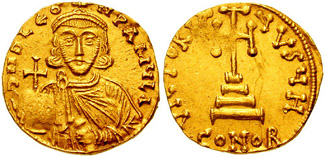
Καὶ γὰρ ὁ τὴν αἵρεσιν ἐμπνεύσας πρῶτος, ψεύστης ὢν καὶ ὕπουλος, τῆς βασιλείας ἐδράξατο. Κόνων γὰρ ὀνομαζόμενος, Λέοντος προσηγορίαν ἑαυτῷ περιεβάλλετο, ἐξ Ἑβραίων τοῦτον τὸν σκοπὸν καὶ τὸ φρόνημα εἰληφώς. Καὶ γὰρ περιπατοῦντος αὐτοῦ, μήπω τῆς βασιλείας αὐτοῦ χειρισθέντος, φησὶ πρὸς αὐτὸν ὁ Ἑβραῖος· Βασιλεὺς μέλλεις γένεσθαι. Ἀλλὰ τὸν λόγον ὃν εἴπω σοι, ἐὰν κρατήσῃς, ἔσται πολυχρόνιος ἡ βασιλεία σου καὶ ἡ τιμή σου. Ἀποβαλοῦ τὴν προσηγορίαν, ἥνπερ κέκτησαι, ὀνομασθεὶς Λέων. Ἐν γὰρ ταῖς ἡμέραις τῆς βασιλείας σου καταστραφήσονται τὰ ἰνδάλματα εἰκόνων, ὧνπερ οἱ Χριστιανοὶ πιστεύουσι. Διὸ δός μοι λόγον τοῦ καταστρέψαι αὐτὰ ἐν τοῖς καιροῖς τῆς βασιλείας σου. Δελεασθεὶς οὖν ὁ βύθιος δράκων, δέδωκεν αὐτῷ, τὴν τιμὴν τῆς ἀξίας ἔχων εἰς ἐπιθυμίαν ὁ ἀνάξιος· καὶ τῶν πραγμάτων ἐλθόντων εἰς ἐμφάνισιν, ἐδράξατο τῆς βασιλείας τὰ σκῆπτρα. Καὶ μετὰ δεκατὸν χρόνον τοῦ ὁδηγοῦ τῆς ἀπωλείας ὑπαντήσαντος ἐπὶ προελεύσεως, καὶ δεδωκότος αὐτῷ τὴν χάρτην, ὡς δῆθεν δεητικοῦ, καὶ ἀναγνόντος αὐτὸν τοῦ παρανόμου, παρ’ αὐτὰ τὸν Ἑβραῖον εἰς τὰ βασιλεῖα ἐκέλευσεν εἰσελθεῖν, καὶ λαβὼν αὐτὸν ἀπὸ τότε συμμύστην καὶ συῤῥάμμονα τῆς αὐτοῦ ἀνομίας, ὡς ἀληθῶς ὁ ἄγριος θὴρ, τῇ Ἐκκλησίᾳ εἰσεπήδησε, καὶ πολλοὺς ἐξ αὐτῆς ἀπέσπασε, καὶ ἐκ τῶν κόλπων αὐτῆς ἐσπάραξε, καὶ οὕσπερ αὕτη ἀνοδύνως ἐγέννησε, καὶ ἐθρέψατο τοῖς τῶν Πατέρων δόγμασιν, οὗτος αὐτοὺς ἀλλοτρίους ἐποίησε, καὶ ξένους τῆς μητρικῆς αὐτῶν ἀγχιστείας.


The first man to give the inspiration to this heresy [iconoclasm] was named Konon, but adopted the name Leo. He acquired that dark notion from the Hebrews. Before his accession, while he was out for a walk, a Hebrew said to him, "You shall become emperor and if you will adhere to the advice which I now give you, your reign and glory will be long-lasting. Discard your present name and call yourself Leo, for during your reign, the images in which the Christians believe, will be overthrown. So give me your word to overthrow them during your reign." Taken in by this, "the dragon of the deep" promised accordingly [...] Ten years after his accession, upon going out, he met his guide to destruction, who handed him a paper, no doubt containing his request. The emperor recognized the Hebrew, immediately invited him into the palace, and accepted him from then on as collaborator in his impious work. [...]

* Ψευδοιωάννης Δαμασκηνός,
Λόγος αποδεικτικός περί των Αγίων και Σεπτών Εικόνων προς βασιλέαν Κωνσταντίνον τον Καβαλίνον /
De sacris imaginibus contra Constantinum Cabalinum,
MPG vol./τ. 95  col./στ. 336D-337A*

Thursday, May 19, 2011

Andrew Sharf:

The law Codes of the Byzantine Empire
& their regulations concerning the Jews /

Οι Κώδικες νόμων της Βυζαντινής αυτοκρατορίας
& οι διατάξεις τους περί Ιουδαίων


The same theological reasoning which protected the status of the Jews and their religion assigned to them a position of permanent inferiority. The Codes gave legal form to this principle in three ways. First of all, they progressively disabled the Jews from performing public functions. In 404, they were excluded from certain government posts, in 418 from a great many more. In 425, all posts, whether civil or military, were closed to them. It was this last regulation which was repeated by Justinian. Yet there was one public function which the Jews were not only allowed, but compelled to perform. Together with all other financially qualified citizens, they had to accept membership of city councils, to serve as `decurions'; for this service could mean serious financial loss. The decurions had to collect the local taxes and make up the deficit from their own pockets, a system intended to compensate the treasury for the growing poverty of the cities in the Western provinces. The large number of edicts, beginning in 330, reaffirming Jewish responsibilities shows how often Jews, no less than others, tried to evade this honour. But here, too, there was progressive discrimination. According to the Theodosian Code, the Jew, in common with the Christian on whom the lot fell, was allowed to pay for a substitute, particularly if the Jew held an official position in his own community. Some such rights remained in the Code of Justinian, but they were all abolished by a `novel' or separate promulgation in 537, which stressed the principle involved: the Jews must never enjoy the fruits of office but only suffer its pains and penalties.

Secondly, the Jews were not allowed to own Christian slaves. This disability was also punitive. Slavery, as we have seen, was important to the economy and there was no disapproval of Christian slavery as such. The later sections of the Theodosian Code tended to prohibit purchase, as distinct from ownership, which was permitted on certain conditions, particularly if acquired by inheritance. Penalties were confined to the loss of the slaves, usually by means of a forced sale for the price paid. Justinian abolished this distinction and increased the penalties. Any non-Christian lost his Christian slaves without compensation and had to pay a fine of 30 lbs. in gold. A Jew might suffer death.

Thirdly, the same theological principle that enjoined the preservation of Judaism emphasized that it must not be allowed to flourish. No new synagogues could be built. The repair of old ones could be a risky step since, if building operations were judged outside that category, the structure was confiscated and a fine of 50 lbs. in gold had to be paid. In 545, Justinian published a novel making the whole issue legally problematic: possession of a synagogue which could be shown to occupy a site belonging to an ecclesiastical institution was automatically null and void. While existing Judaism was thus restricted, its spread was of course strictly forbidden. One motive for the prohibition of the possession by Jews of Christian slaves was that their conversion to Judaism by their masters was thought to be the most likely way in which the spread of Judaism might be attempted. In both Codes, the penalty for circumcizing a Christian slave was the old Roman penalty for castration –death and confiscation of property. Justinian, when he repeated the permission for Jews to circumcize their own children, declared this penalty for circumcizing any non-Jewish child. The penalty for circumcizing a free adult was normally confiscation of property and exile for life. Here again Justinian introduced the possibility of a death penalty –even for attempted conversion. A Christian who had become a Jew was also subject to penalties –though they were lighter. He might be restricted in his testamentary powers, or his property might be entirely confiscated. These laws imply that the Codes recognized, while they condemned, the Jew by conversion as they did the Jew by birth.


Η ίδια θεολογική λογική που προστάτευε το στάτους τον Ιουδαίων και τη θρησκεία τους ήταν αυτή που τους όριζε σε μια θέση μόνιμης κατωτερότητας. Οι Κώδικες έδιναν νομική μορφή σε αυτή την αρχή με τρεις τρόπους. Πρώτα απ' όλα, οι νόμοι σταδιακά περιόριζαν τους Ιουδαίους ώστε να μην μπορούν να αναλάβουν δημόσια αξιώματα. Το 404 αποκλείστηκαν από συγκεκριμένες κυβερνητικές θέσεις, το 418 από πολύ περισσότερες. Το 425 όλες οι θέσεις, πολιτικές ή στρατιωτικές, έπαψαν να είναι διαθέσιμες γι' αυτούς. Αυτό δε το διάταγμα επαναλήφθηκε και από τον Ιουστινιανό. Εντούτοις, υπήρχε ένα δημόσιο αξίωμα στο οποίο όχι δεν επιτρεπόταν στους Ιουδαίους να το κατέχουν αλλά μάλλον τους επιβαλλόταν να το κατέχουν. Μαζί με άλλους οικονομικά προνομιούχους πολίτες, όφειλαν να αποδεχτούν την ιδιότητα του μέλους στα συμβούλια των πόλεων, να υπηρετούν ως "δεκουρίωνες"· διότι αυτό το αξίωμα θα μπορούσε να οδηγήσει σε σημαντικές οικονομικές απώλειες. Οι δεκουρίωνες όφειλαν να συγκεντρώσουν τους τοπικούς φόρους και να καλύψουν τα ελλείμματα από τη δική τους τσέπη, ένα σύστημα το οποίο αποσκοπούσε στην αποζημίωση του κρατικού ταμείου εξαιτίας της αυξανόμενης φτώχειας των πόλεων των δυτικών επαρχιών. Το μεγάλο πλήθος των εδίκτων, αρχής γενομένης το 330, τα οποία επικυρώνουν τις υποχρεώσεις των Ιουδαίων φανερώνει πόσο συχνά Ιουδαίοι, όχι λιγότερο από τους υπόλοιπους, επιδίωκαν να αποκτήσουν αυτό το τιμητικό αξίωμα. Αλλά και εδώ, επίσης, άρχισε να υπάρχει μια σταδιακή διάκριση σε βάρος τους. Σύμφωνα με τον Θεοδοσιανό Κώδικα, στους Ιουδαίους –μαζί με τον χριστιανό στον οποίο θα έπεφτε ο κλήρος– επιτρεπόταν να πληρώσουν για να τους αντικαταστήσει κάποιος, ειδικά αν ο Ιουδαίος κατείχε μια δημόσια θέση στην κοινότητα που ζούσε. Κάποια τέτοια δικαιώματα παρέμειναν στον Ιουστινιανό Κώδικα αλλά όλα καταργήθηκαν από μία "νεαρά" ή ξεχωριστό διάταγμα το 537, η οποία τόνιζε τη σχετική αρχή: οι Ιουδαίοι δεν πρέπει ποτέ να απολαμβάνουν τους καρπούς ενός αξιώματος αλλά μόνο να υφίστανται τα παθήματα και τις τιμωρίες που προέρχονται από αυτά.

Δεύτερον, δεν επιτρεπόταν στους Ιουδαίους να κατέχουν χριστιανούς δούλους. Και αυτός ο περιορισμός είχε τιμωρητικό χαρακτήρα. Η δουλεία, όπως είδαμε, ήταν σημαντική για την οικονομία και δεν αποδοκιμαζόταν η δουλεία από μέρους των χριστιανών. Τα μεταγενέστερα τμήματα του Θεοδοσιανού Κώδικα έτειναν προς την απαγόρευση της αγοράς, διαφοροποιούμενης από την ιδιοκτησία, η οποία επιτρεπόταν υπό ορισμένες συνθήκες, ειδικά αν επρόκειτο για κληρονομική ιδιοκτησία. Οι ποινές που επιβάλονταν ήταν η απώλεια των δούλων, συνήθως μέσω επιβεβλημένης πώλησης στην τιμή που είχε πληρωθεί. Ο Ιουστινιανός κατήργησε αυτή τη διάκριση και αύξησε τις ποινές. Οποιοσδήποτε μη χριστιανός έχανε τους χριστιανούς δούλους του χωρίς αποζημίωση και έπρεπε να πληρώσει πρόστιμο 14 κιλών χρυσάφι. Ο ιουδαίος θα υφίστατο θανάτωση.

Τρίτον, η ίδια θεολογική αρχή που διέτασσε τη διατήρηση του ιουδαϊσμού τόνιζε ότι δεν έπρεπε να τους επιτρέπεται να αναπτυχθούν. Καμία νέα συναγωγή δεν μπορούσε να χτιστεί. Η επιδιόρθωση των παλιών θα μπορούσε να είναι επικίνδυνο εγχείρημα καθώς, αν οι οικοδομικές εργασίες κρίνονταν ότι ήταν εκτός αυτής της κατηγορίας, το οικοδόμημα δημευόταν και θα έπρεπε να πληρωθεί πρόστιμο 23 κιλών σε χρυσάφι. Το 545, ο Ιουστινιανός εξέδωσε μια νεαρά που καθιστούσε το όλο ζήτημα νομικά προβληματικό: η κατοχή μιας συναγωγής η οποία θα εμφανιζόταν ότι καταλαμβάνει χώρο που ανήκει σε εκκλησιαστικές εγκαταστάσεις ήταν αυτομάτως άκυρη και ανυπόστατη. Ενώ ο υφιστάμενος ιουδαϊσμός περιστελλόταν κατ' αυτό τον τρόπο, η διάδοσή του φυσικά απαγορευόταν αυστηρά. Ένα κίνητρο για την απαγόρευση κατοχής χριστιανών δούλων από τους ιουδαίους ήταν το ότι η μεταστροφή τους στον ιουδαϊσμό από τους κυρίους τους θεωρούνταν η πιο πιθανή οδός μέσω της οποίας μπορεί να επιχειρούνταν η διάδοση του ιουδαϊσμού. Και στους δύο Κώδικες, η ποινή για την περιτομή ενός χριστιανού δούλου ήταν η αρχαιορωμαϊκή ποινή για τον ευνουχισμό –θάνατος και δήμευση της περιουσίας. Ο Ιουστινιανός, όταν επανέλαβε την άδεια για τους ιουδαίους να περιτέμνουν τα παιδιά τους, διέταξε την ποινή αυτή για την περιτομή οποιουδήποτε μη ιουδαίου παιδιού. Η ποινή για την περιτομή ενός ελεύθερου ενήλικα ήταν κανονικά η δήμευση της περιουσίας και η ισόβια εξορία. Εδώ και πάλι ο Ιουστινιανός εισηγήθηκε τη δυνατότητα θανατικής ποινής –ακόμη και για την απόπειρα μεταστροφής. Ο χριστιανός που είχε γίνει ιουδαίος επίσης υφίστατο ποινές –αν και ήταν ελαφρύτερες. Θα του περιορίζονταν οι δυνατότητες κληροδοσίας ή θα δημευόταν το σύνολο της περιουσίας του. Αυτοί οι νόμοι υπονοούν ότι οι Κώδικες αναγνώριζαν –παρά το ότι τους καταδίκαζαν– τους ιουδαίους μέσω μεταστροφής όπως ακριβώς και τους ιουδαίους από καταγωγής.

* Andrew Sharf,
Byzantine Jewry: From Justinian to the Fourth Crusade,
[Ο Βυζαντινός Ιουδαϊκός Πληθυσμός: Από τον Ιουστινιανό έως την Τέταρτη Σταυροφορία]
Routledge & K. Paul, 1971,
pp./σσ. 21, 22.